


 Vietnam, US Trade Deal Could Be Signed Soon, To Lam Says
  Oil Prices Rise as U.S.-Iran Talks Fuel Diplomacy Hopes
  U.S. Dollar Hits Eight-Week High After Fed Rate Hike
  Gold Prices Slip as Strong Dollar and Hawkish Fed Pressure Bullion
  US-China Talks Target AI, Tariffs Ahead of Trump-Xi Summit
  S&P 500 Historically Rallies After Midterm Elections, UBS Says
  Asian Currencies Muted as Dollar Firms Ahead of Trump-Xi Summit
  Wall Street Surges as Meta Leads AI Rally, Oil Prices Fall
  Canada Unveils Bill to Fast-Track Major Resource Projects
  RBA Says ASX Still Falls Short on Governance and Risk Controls
  Asian Stocks Mixed Ahead of Trump-Xi Meeting
  Gold Prices Rise as Oil Slide Eases Fed Rate Hike Fears
  Yen Weakens as Dollar Gains on Widening US-Japan Rate Gap
  Yen in Focus as BOJ, Fed Rate Hikes Reshape Currency Markets
  Europe Jet Fuel Deficit Drives South Korean Imports to Four-Year High
  South Korea to Brief Lawmakers on $350 Billion US Investment Package


 Add as a preferred source on Google
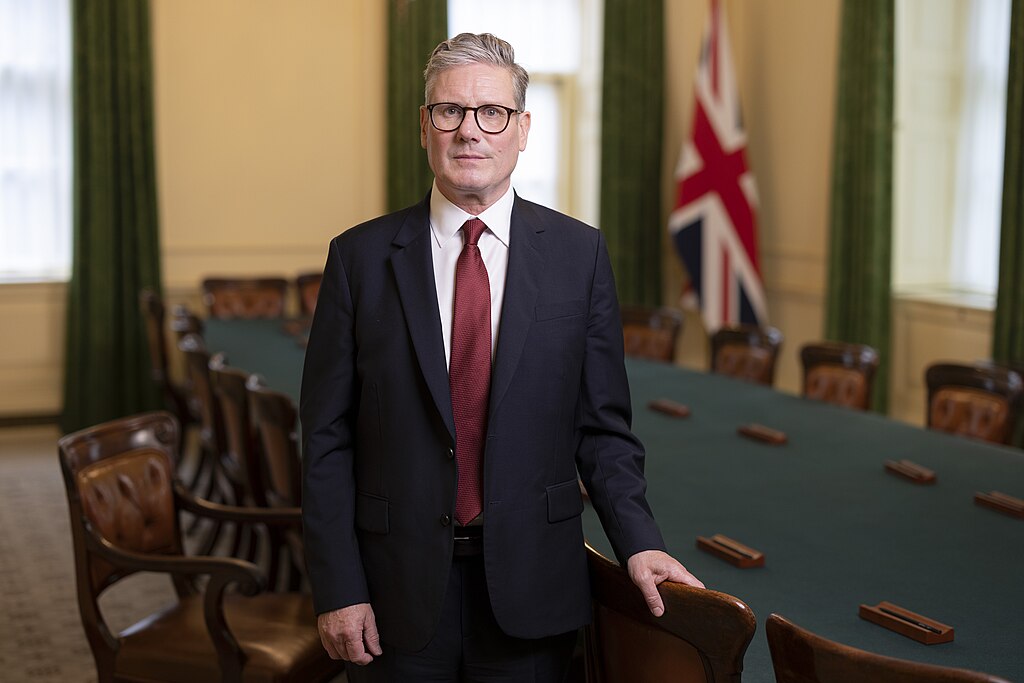
Keir Starmer, the leader of the UK Labour Party, has come under scrutiny over a perceived shift in his economic promises. Initially declaring ambitions for Britain to achieve the fastest per capita growth among G7 countries, Starmer's government recently revised this as an “aim” rather than a concrete “goal.” Critics argue this softens the target amid growing economic stagnation and faltering living standards.
Starmer denies watering down his pledge, emphasizing a focus on improving living standards rather than abstract economic metrics. This comes at a time when household disposable incomes have grown only marginally since 2019, marking the worst parliamentary term for real living standards since the 1950s. With only modest improvements forecast, the Labour government faces mounting pressure to meet its ambitious economic and social targets.
The Office for Budget Responsibility projects only slight growth in disposable incomes during the current parliamentary term, casting doubts on Labour's economic credibility. Meanwhile, inflation and stagnant wages continue to squeeze UK households, contributing to growing public frustration.
Starmer, who led Labour to victory in 2024 after 14 years of Conservative rule, has struggled to maintain his lead in public opinion polls. The Conservative opposition has seized on the economic challenges, including faltering productivity and the high cost of living, to paint Labour's policies as ineffective. Moreover, long-term challenges, such as slow productivity growth and an aging population, complicate Labour's path toward fulfilling its promises.







