


 Apple Turns 50: From Garage Startup to AI Crossroads
  Russell 1000 Companies Hit $2.2T Cash Record While Aggressively Reinvesting in Growth
  Google's TurboQuant Algorithm Sends Memory Chip Stocks Tumbling
  California's AI Executive Order Pushes Responsible Tech Use in State Contracts
  AWS Bahrain Region Disrupted by Drone Activity Amid Middle East Conflict
  Elon Musk Announces Terafab: SpaceX and Tesla to Build Dual AI Chip Factories in Austin, Texas
  Luxury Car Sales in the Middle East Take a Hit Amid Iran War
  BlackRock CEO Larry Fink Earns $37.7 Million in 2025 Amid Record Growth
  Eli Lilly and Insilico Medicine Forge $2.75 Billion AI-Driven Drug Discovery Deal
  Chinese Universities with PLA Ties Found Purchasing Restricted U.S. AI Chips Through Super Micro Servers
  Rubio Directs U.S. Diplomats to Use X and Military Psyops to Counter Foreign Propaganda
  Jeff Bezos Eyes $100 Billion Fund to Transform Manufacturing With AI
  Nintendo Switch 2 Production Cut as Holiday Sales Miss Targets
  NVIDIA's Feynman AI Chip May Face Redesign Amid TSMC Capacity Crunch
  Nomura Upgrades PDD Holdings to Buy, Calls Stock Too Cheap to Ignore
  Norma Group Posts Revenue Decline in 2025, Eyes Modest Recovery in 2026


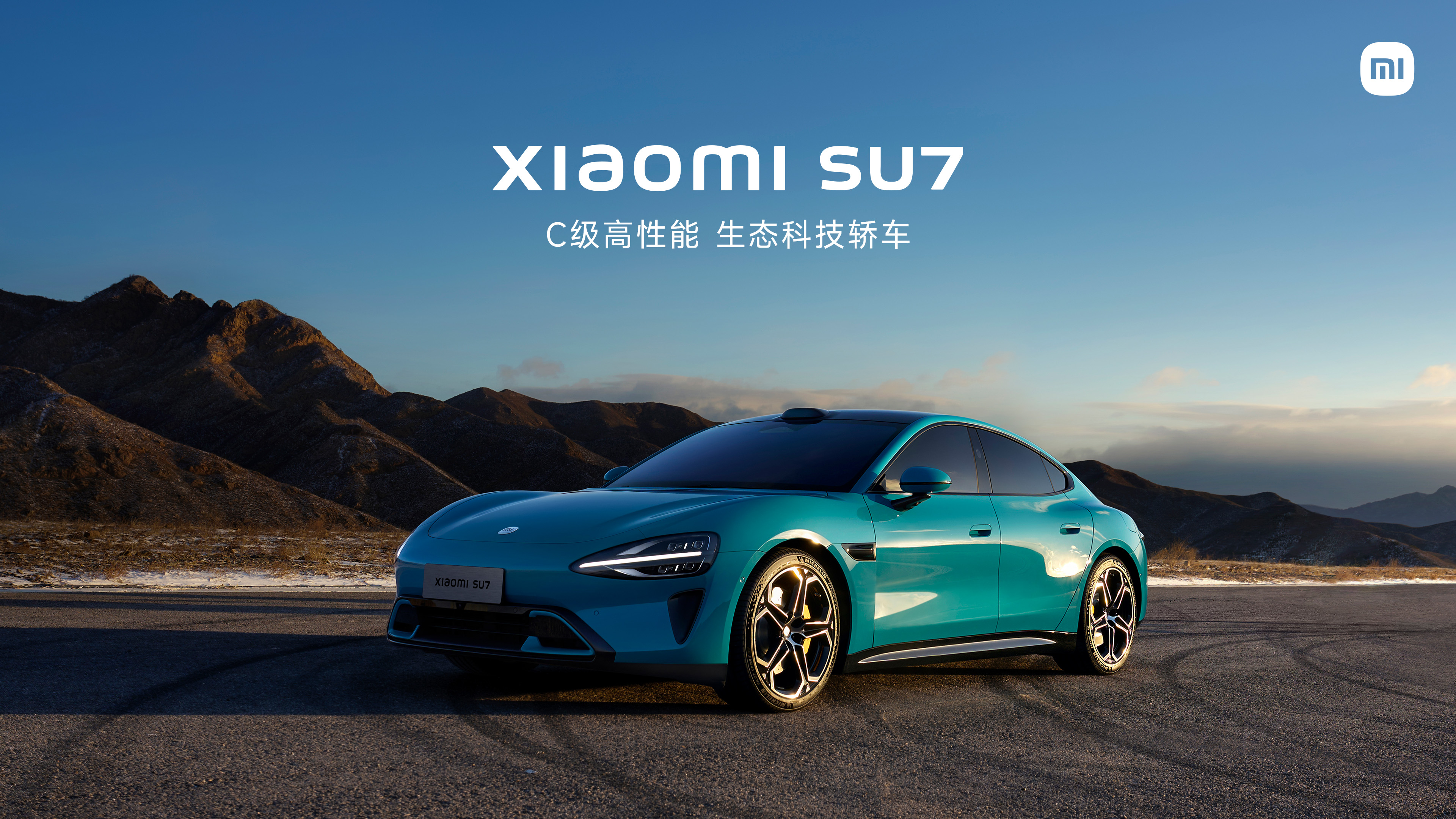
Xiaomi is set to disrupt the electric vehicle market with its SU7 sedan, which is ambitiously priced at under 500,000 yuan ($69,424). The tech giant aims to compete with top automakers by leveraging superior technology and integration with its ecosystem of devices.
Xiaomi Opens Orders for SU7, Sets Price to Compete in Global EV Market
Last March 21 evening, the company announced its official price range and began taking orders for the car, known as the SU7 (SU stands for Speed Ultra), per Reuters. CEO Lei Jun's comments on his official Weibo account are the first time the company has confirmed the upper end of its pricing range.
The car's popularity has grown since Xiaomi unveiled it in December and announced its goal of becoming one of the world's top five automakers. Lei claims its technology can deliver acceleration superior to Tesla cars and Porsche's EVs.
China's fifth-largest smartphone manufacturer is looking to diversify into EVs in the face of stagnant smartphone demand, a strategy it first announced in 2021. Other Chinese technology companies collaborating with automakers to develop EVs include telecom giant Huawei and search engine firm Baidu.
Xiaomi has pledged to invest $10 billion in automobiles over the next decade and is one of the few new entrants in China's EV market to receive approval from authorities, who have hesitated to add to the supply glut.
Its vehicles are manufactured by a unit of state-owned automaker BAIC Group in a Beijing factory with an annual capacity of 200,000 cars.
Xiaomi Enters the EV Market with SU7, Aiming to Rival Tesla and Porsche in Performance
Last year, a report from a source that Xiaomi, a Chinese smartphone maker, unveiled its first electric vehicle and announced that it aims to become one of the world's top five automakers. The sedan, dubbed the SU7 (SU stands for Speed Ultra), is a highly anticipated model that Chief Executive Lei Jun has touted as having "super electric motor" technology capable of delivering acceleration speeds faster than Tesla cars and Porsche's electric vehicles.
However, the car, which is expected to go on sale in the coming months, is making its debut at a time when China's auto market, the world's largest, is grappling with a capacity glut and slowing demand, which has sparked a bruising price war.
Xiaomi CEO Lei Jun still needed to outline ambitious goals.
"By working hard over the next 15 to 20 years, we will become one of the world's top 5 automakers, striving to lift China's overall automobile industry," he said at the event. These plans include creating "a dream car comparable to Porsche and Tesla," Jun added.
The SU7 is also expected to appeal to customers because it uses the same operating system as Xiaomi's popular phones and other electronic devices. Its drivers will have easy access to the company's existing mobile apps.
Photo: Mi Global







