


 UK Consumer Confidence Weakens Amid Middle East Conflict and Rising Living Costs
  Wall Street Slides as Iran War Uncertainty, Oil Surge, and AI Fears Rattle Markets
  Currency Markets Show Caution Amid U.S.-Iran Negotiations
  Cuba Receives Humanitarian Aid Convoy Amid U.S. Sanctions
  Suspicious Oil Market Trades Precede Trump's Iran Peace Post by 15 Minutes
  U.S. Oil Prices Slide as Middle East Ceasefire Talks Spark Market Optimism
  Gold Prices Surge on U.S.-Iran Ceasefire Reports
  Bank of Japan Officials Signal Continued Interest Rate Hikes Amid Inflation Concerns
  US-Iran Ceasefire Talks Underway: What You Need to Know
  Iran-Israel Missile Strikes Continue Amid Mixed Signals on U.S.-Iran Diplomacy
  Bank of Japan Eyes April Rate Hike Despite Inflation Dip, ING Says
  Asian Markets Rally as Oil Prices Tumble and Middle East Peace Hopes Emerge
  WTO Reform Talks Begin in Cameroon Amid Global Trade Tensions
  Japan's Private Sector Growth Slows in March Amid Rising Costs and Middle East Uncertainty
  Taiwan Arms Deal on Track Despite U.S.-China Summit Uncertainty
  Russia-Iran Military Alliance Deepens With Drone Shipments Amid Middle East Tensions


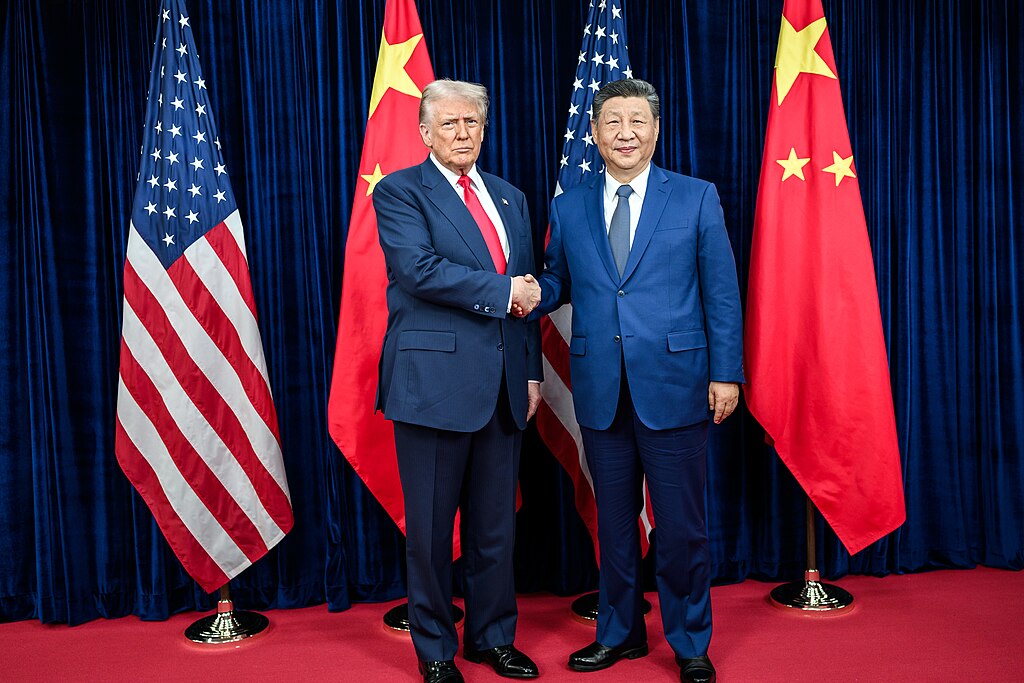
The recent meeting between Chinese President Xi Jinping and U.S. President Donald Trump provided Beijing with short-term relief, allowing it to slow the pace of economic decoupling from Washington, according to Capital Economics. While the reversal of certain U.S. tariffs offers limited immediate economic benefits, it removes the looming threat of major hikes that could have slashed China’s GDP by up to 2%.
China’s Ministry of Commerce confirmed that the U.S. has reduced tariffs on fentanyl-related products from 20% to 10% and paused its investigation into China’s shipbuilding sector. Trump also suggested a possible easing of export restrictions on Nvidia chips, though the most advanced Blackwell models remain off-limits. Julian Evans-Pritchard, Head of China Economics at Capital Economics, noted that the de-escalation “removes a key downside risk to the near-term outlook.”
The U.S. has also suspended the Bureau of Industry and Security’s entity list affiliate rule, cutting the number of Chinese firms under sanctions. In return, China agreed to boost agricultural imports from the U.S. and delay new export controls for a year. Despite these concessions, the average U.S. tariff rate on Chinese goods remains around 30%—triple the pre-Trump era level. Capital Economics estimates that rolling back part of this year’s tariff hikes could add just 0.1% to China’s GDP, as any gains may be offset by currency appreciation.
Trump hinted that a broader trade deal might be finalized during his planned Beijing visit in April 2026, suggesting ongoing efforts to stabilize relations. However, Evans-Pritchard cautioned that a renewed rupture remains possible. Even if a deal is struck, it will likely mirror the previous “Phase One” framework, focusing on trade balance rather than resolving deep geopolitical tensions. Both nations continue to pursue economic self-reliance—Washington through supply chain diversification and China through technological independence and financial autonomy.













