


 India–U.S. Interim Trade Pact Cuts Auto Tariffs but Leaves Tesla Out
  Federal Judge Restores Funding for Gateway Rail Tunnel Project
  U.S.-India Trade Framework Signals Major Shift in Tariffs, Energy, and Supply Chains
  Missouri Judge Dismisses Lawsuit Challenging Starbucks’ Diversity and Inclusion Policies
  Trump Lifts 25% Tariff on Indian Goods in Strategic U.S.–India Trade and Energy Deal
  Singapore Budget 2026 Set for Fiscal Prudence as Growth Remains Resilient
  U.S. Lawmakers to Review Unredacted Jeffrey Epstein DOJ Files Starting Monday
  U.S. Stock Futures Slide as Tech Rout Deepens on Amazon Capex Shock
  Gold and Silver Prices Rebound After Volatile Week Triggered by Fed Nomination
  Netanyahu to Meet Trump in Washington as Iran Nuclear Talks Intensify
  Trump’s Inflation Claims Clash With Voters’ Cost-of-Living Reality
  TrumpRx Website Launches to Offer Discounted Prescription Drugs for Cash-Paying Americans
  Trump Endorses Japan’s Sanae Takaichi Ahead of Crucial Election Amid Market and China Tensions
  Russian Stocks End Mixed as MOEX Index Closes Flat Amid Commodity Strength
  Japan Election 2026: Sanae Takaichi Poised for Landslide Win Despite Record Snowfall
  Dollar Near Two-Week High as Stock Rout, AI Concerns and Global Events Drive Market Volatility
  Trump Signs “America First Arms Transfer Strategy” to Prioritize U.S. Weapons Sales


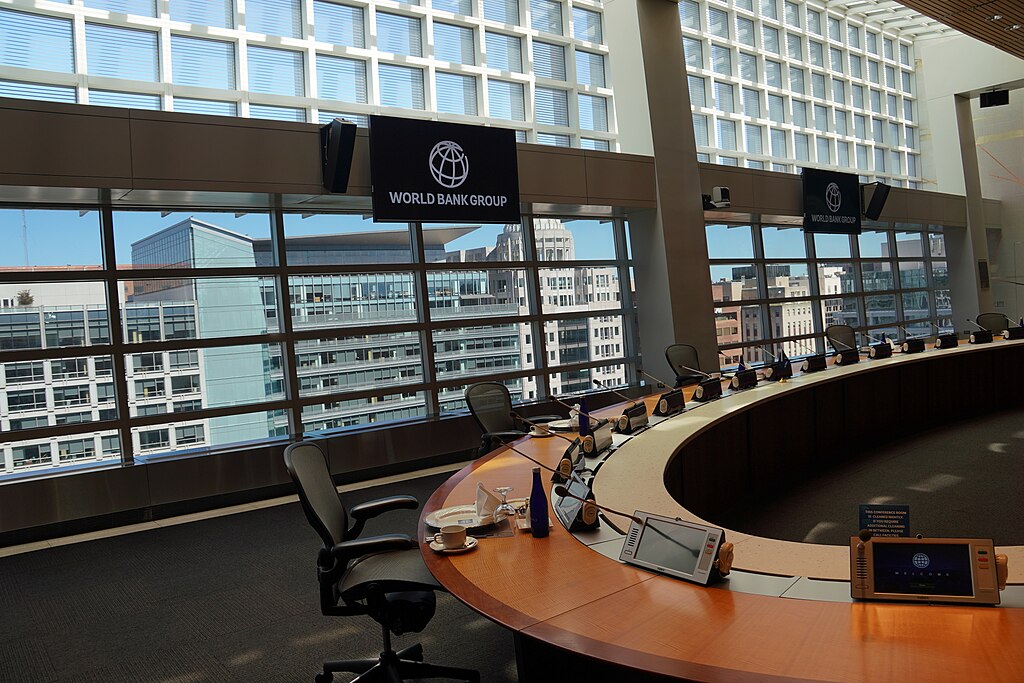
Global development leaders are urging the World Bank to expand its lending capacity amid sweeping foreign aid cuts by the U.S. and Europe. Think tanks and advocacy groups are calling for the International Bank for Reconstruction and Development (IBRD) to reduce its equity-to-lending ratio from 18% to 17%, potentially unlocking $30–40 billion in new lending without additional taxpayer burden or risking capital reserves.
Eric Pelofsky, vice president of the Rockefeller Foundation, emphasized that these funds could help developing nations address urgent budget shortfalls and support vital infrastructure such as healthcare, water, and sanitation systems. He also highlighted the need for low-interest, short-term loans to help NGOs avoid shutdowns and transition to sustainable funding models.
The proposal follows a series of internal reforms. In 2023, the World Bank lowered the IBRD’s equity ratio from 20% to 19%, and again to 18% last year—changes aligned with recommendations from the G20’s independent commission.
The urgency has grown since U.S. President Donald Trump’s return to office in January, as his administration slashed billions in foreign aid in line with "America First" policies. European nations have also reduced their development assistance budgets, deepening global funding gaps.
Eric LeCompte, executive director of Jubilee USA Network and a UN adviser, stressed the importance of timely action. “The World Bank can and should act immediately. This move could help fill the critical funding void left by Western donors,” he said.
Experts warn that delays could have devastating consequences, with millions of lives at risk due to the collapse of aid-dependent programs and services. With rising global needs and fewer donors, stakeholders say the World Bank must act decisively to stabilize development financing.













