


 Trump Reportedly Approves Plan to Remove FDA Commissioner Marty Makary Amid Growing Controversies
  Australia’s Wealthy Donors Shift Support to One Nation Amid Conservative Party Decline
  U.S.-China Beef Trade Deal Hopes Rise Ahead of Trump-Xi Summit
  Iran Accuses U.S. of Violating Strait of Hormuz Ceasefire with Ship and Coastal Attacks
  Vietnam Plans AI-Driven Propaganda Push With Influencers and Podcasts
  UN Experts Condemn Trump’s Cuba Fuel Blockade Amid Deepening Energy Crisis
  Senate Stablecoin Bill Sparks Clash Between Banks and Crypto Industry
  Pope Leo Calls for Peace as Vatican Seeks Better Ties With U.S.
  Ukraine-Russia Ceasefire Confirmed as Prisoner Swap Deal Advances
  Russia Downs Over 50 Drones Near Moscow Ahead of Victory Day Ceasefire
  Israel’s Secret Iraq Base Allegedly Supported Iran Air Campaign, WSJ Reports
  Lula and Trump Talks Signal New Phase in Brazil-US Relations
  Trump-Xi Beijing Summit to Focus on Trade, Taiwan, and Boeing Deal
  US Revises UN Resolution on Iran Strait of Hormuz Attacks Amid Russia-China Opposition
  Rubio Presses Italy Over Iran Support as Tensions Test U.S.-Italy Alliance
  Trump Announces Russia-Ukraine Ceasefire for May 9-11 Amid Ongoing Peace Talks
  Judge Delays SEC Settlement With Elon Musk Over Twitter Stock Disclosure Case


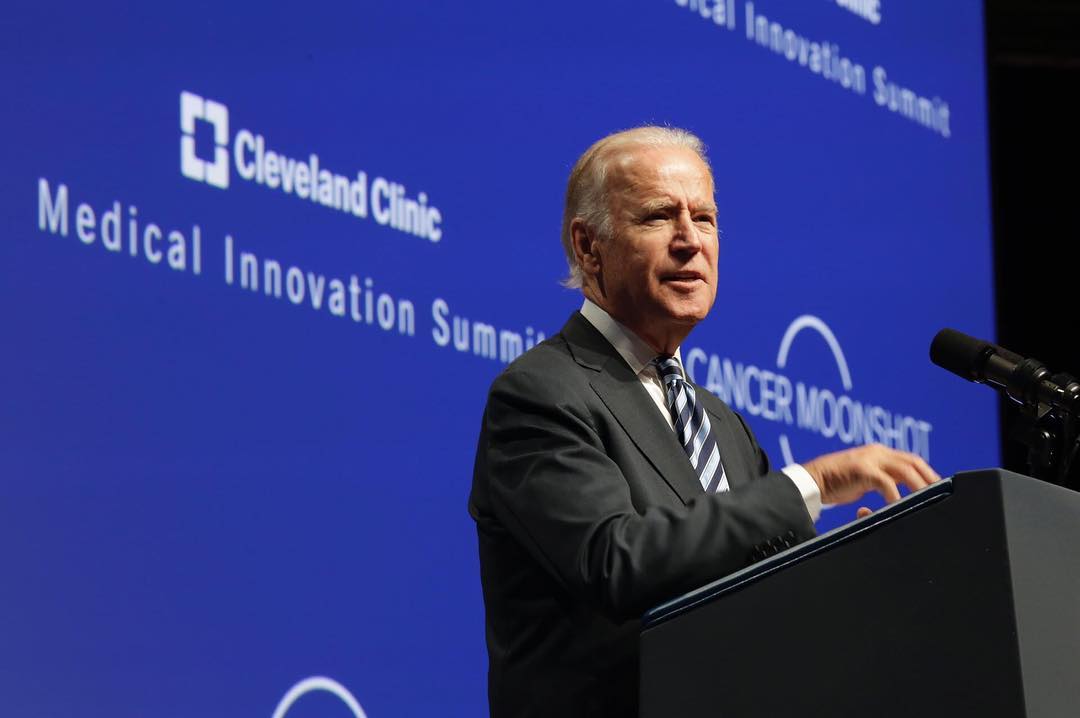
In recent months, reports have surfaced alleging that the White House has taken deliberate steps to conceal President Joe Biden's cognitive decline. These measures include limiting his public interactions and assigning senior advisers to roles traditionally occupied by the President.
Strategic Limitations on Presidential Engagements
According to insiders, senior White House advisers have meticulously managed President Biden's schedule to minimize unscripted moments that could reveal signs of aging. This strategy involves restricting his daily itinerary, reducing the frequency of press conferences, and declining high-profile media appearances. For instance, the administration twice declined Super Bowl halftime interviews, which are typically opportunities to reach a broad audience.
Additionally, meetings with lawmakers and cabinet members have been limited or conducted under controlled circumstances. This approach aims to prevent situations where the President might appear unprepared or fatigued. Critics argue that such measures, while protecting the President's image, may hinder transparent communication between the executive branch and other government sectors.
Senior Advisers Assuming Presidential Duties
In light of these limitations, senior advisers have reportedly taken on responsibilities typically reserved for the President. Advisers like Anita Dunn, a long-time political strategist, have played significant roles in shaping policy decisions and communicating with stakeholders.
This delegation of duties has raised concerns about the concentration of power among a select group of unelected officials. Some administration insiders believe that this arrangement undermines the traditional functions of the presidency and could lead to a lack of accountability.
Public Perception and Media Scrutiny
The administration's efforts to manage President Biden's public appearances have not gone unnoticed. Media outlets have highlighted instances where the President appeared to struggle during speeches or interviews. For example, during a press briefing earlier this year, President Biden mistakenly referred to the President of Mexico as the leader of Egypt, raising questions about his cognitive sharpness.
These incidents have fueled public debate about the President's fitness for office. Supporters argue that age-related challenges are common and do not necessarily impede effective leadership. Conversely, critics contend that the President's apparent decline could impact his decision-making abilities and, by extension, national governance.
Netizens React on Social Media
The revelations have sparked a wide range of reactions on social media platforms. Twitter user @PoliticalWatchdog expressed concern, stating, "If the President's health is declining, the public deserves transparency." In contrast, @BidenSupporter2024 defended the administration, tweeting, "Every leader has a team; it's called delegation, not concealment."
User @MediaSkeptic questioned the media's portrayal, writing, "Is this genuine concern or just another political smear campaign?" Meanwhile, @HealthAdvocate emphasized the human aspect, saying, "Aging is natural; let's approach this topic with empathy."
On the other hand, @ConstitutionalGuard raised constitutional concerns, tweeting, "If advisers are making decisions, who's really running the country?" Finally, @HistoryBuff reflected on past presidencies, noting, "We've had leaders with health issues before; the key is how it's managed."
Conclusion
The reports of the White House's efforts to conceal President Biden's cognitive decline have ignited a complex debate about transparency, leadership, and the role of senior advisers in the current administration. As the situation unfolds, it remains to be seen how these revelations will impact public trust and the functioning of the executive branch.







