


 Google Changes EU Spam Policy Amid Antitrust Scrutiny
  Salesforce Shares Surge as AI Demand Powers Q2 Earnings Beat
  HP Stock Drops 9% Despite Q3 Earnings Beat and Raised 2026 Outlook
  Xiaomi Unveils Xring O3 Chip for Flagship Foldable Phone
  U.S. Disrupts China-Linked Hacking Campaign Targeting Government Agencies
  Luxshare Shares Rise as First-Half Profit Jumps 18%
  Apple’s Phil Schiller Steps Back as Leadership Shake-Up Accelerates
  OpenAI Data Center Chief Chris Malone Exits Ahead of Planned 2027 Listing
  Nvidia Options Price in $280 Billion Earnings Swing
  New Zealand Labour Backs Social Media Ban for Under-16s
  Meta Agrees to $18 Billion Settlement, Tightens Teen Social Media Rules
  PayPal Shares Sink as $50 Billion Takeover Bid Collapses
  Unitree Shares Plunge 45% After Blockbuster IPO, Raising China Tech Bubble Fears
  Pinterest Stock Falls as CFO Julia Brau Donnelly Resigns
  MediaTek Shares Jump 10% on Nvidia’s $3.5 Billion Investment


 Add as a preferred source on Google
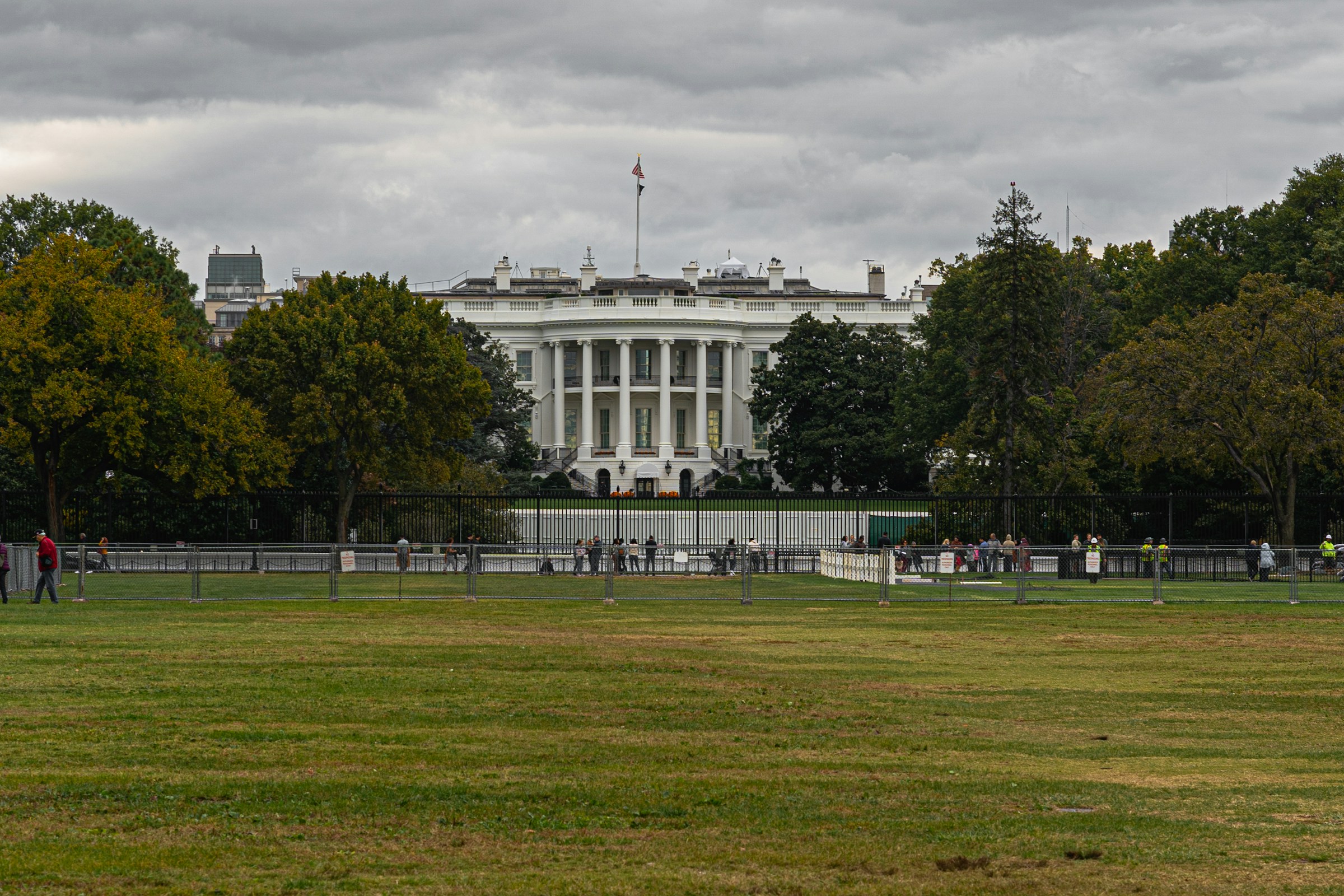
The White House is grappling with the growing challenge of distinguishing authentic information from AI-generated content in an era where sophisticated generative artificial intelligence tools are readily available to the public.
This concern arises as incidents of fake content, such as AI-generated robocalls, threaten to undermine public trust in official communications.
Rise of Generative AI Poses Challenges
Since President Joe Biden assumed office in 2020, White House officials have been closely monitoring developments in artificial intelligence, particularly generative AI.
However, the landscape shifted dramatically with the proliferation of user-friendly AI tools like OpenAI's ChatGPT, prompting a surge in the creation of deep fakes. Major tech companies and startups alike raced to introduce accessible AI platforms, intensifying concerns over the spread of manipulated content.
According to Business Insider, despite regulatory efforts, including the Federal Communications Commission's recent declaration of illegal AI-generated calls, the proliferation of increasingly sophisticated generative AI tools continues unabated. These tools empower individuals with minimal technical expertise to produce convincing yet entirely fabricated images, videos, and audio recordings.
White House Takes Action to Ensure Trustworthy Communications
Recognizing the imperative to safeguard the integrity of official communications, Ben Buchanan, Biden's Special Advisor for Artificial Intelligence, revealed ongoing efforts within the White House to implement robust verification measures.
Buchanan emphasized the necessity of "essentially cryptographically verifying" all official communications from the White House, including statements and videos.
Last year's executive order established an AI Safety Institute to develop content watermarking standards for provenance verification. Buchanan clarified that the initiative to verify White House communications operates independently. Although the process is lengthy, Buchanan affirmed that it is actively underway.
According to Yahoo News, the overarching objective is to instill confidence among the public that any video released by the White House featuring President Biden is authentic and untampered with by external parties.
Buchanan underscored the importance of preemptive measures to mitigate the potential harms of AI-generated content manipulation, emphasizing the administration's commitment to proactively addressing emerging challenges.
Photo: J. Santiago/Unsplash







