


 TikTok Nears $400 Million Settlement With Trump Administration Over Child Privacy Lawsuit
  Booked to travel through the Middle East? Here’s why you shouldn’t cancel your flight
  The American mass exodus to Canada amid Trump 2.0 has yet to materialize
  Novo Nordisk Raises 2026 Outlook on Strong Wegovy Demand
  Sony Forecasts Lower 2027 Profit Despite Strong Music and Sensor Growth
  The Beauty Beneath the Expressway: A Journey from Self to Service
  Aker BP Q1 Profit Jumps on Higher Oil Prices and Asset Reversal
  Time to buy local: war fuel price shocks reveal the folly of a long food supply chain
  The ghost of Robodebt – Federal Court rules billions of dollars in welfare debts must be recalculated
  Hantavirus Cruise Ship Outbreak Triggers Global Health Alert
  Google promotes ‘teacher approved’ apps for kids. Here’s what parents should know
  BMW Keeps 2026 Outlook Despite 25% Profit Drop Amid Tariff Pressure
  Orsted Q1 EBITDA Beats Expectations Despite U.S. Impairments
  Why a ‘rip-off’ degree might be worth the money after all – research study
  Arm Stock Drops Despite Strong AI Chip Demand and Earnings Beat
  Disaster or digital spectacle? The dangers of using floods to create social media content
  Armani Group Eyes Strategic Stake Sale to Luxury Giants


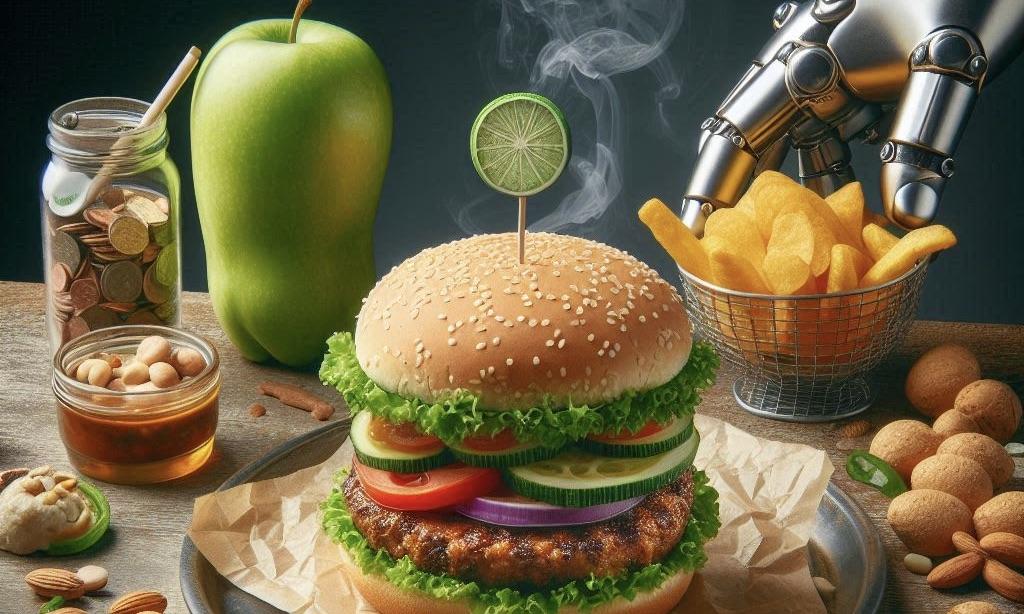
In August 2019, Burger King made headlines by introducing the Impossible Whopper across the United States, catering to the growing demand for plant-based dining options. Marketed with the tagline “100% Whopper, 0% beef,” this innovative offering aimed to replicate the taste and experience of a traditional beef burger while utilizing a plant-based patty. The introduction of the Impossible Whopper has since garnered significant attention and popularity, maintaining a steady presence on Burger King’s menu.
The Impossible Whopper mirrors the classic Whopper in almost every way, differing only in the composition of its patty. The vegetarian version contains 630 calories, slightly fewer than the 680 calories found in its beef counterpart. The Impossible Whopper is assembled with the same toppings as the classic version: fresh tomatoes, crisp lettuce, creamy mayonnaise, tangy ketchup, pickles, and sliced white onions, all nestled within a sesame seed bun.
Central to the Impossible Whopper is the plant-based patty, a product of Impossible Foods. This patty is crafted from a blend of soy and potato protein, coconut oil, sunflower oil, and heme. Heme, a molecule found in plants and animals, is pivotal in providing the patty its meat-like flavor and appearance. This combination of ingredients allows the Impossible Whopper to deliver a taste and texture remarkably similar to a traditional beef burger, appealing to vegetarians and meat lovers alike.
Important considerations for vegetarians and vegans when ordering the Impossible Whopper. The standard preparation method for the patty involves cooking on the same broiler used for beef patties, which may not align with strict vegetarian or vegan diets due to potential cross-contamination. However, customers can request that their Impossible Whopper be prepared separately. In such cases, Burger King’s staff will microwave the patty to avoid contact with beef products and omit the mayonnaise to cater to vegan preferences.
This flexibility extends beyond the Impossible Whopper itself. Customers can request the plant-based patty as a substitute for beef in other burgers on the Burger King menu, allowing for a range of vegetarian and vegan-friendly options. This adaptability highlights Burger King’s commitment to accommodating diverse dietary needs and preferences, broadening its appeal in the fast-food market.
The launch and continued success of the Impossible Whopper reflect a broader trend in the food industry towards plant-based alternatives. As more consumers seek sustainable and health-conscious options, the Impossible Whopper represents a significant step in meeting these evolving demands. By offering a plant-based burger that does not compromise on taste, Burger King has successfully tapped into a growing market segment.







