


 Broadcom Eyes $35 Billion AI Chip Financing Deal With Apollo and Blackstone
  Israel’s Secret Iraq Base Allegedly Supported Iran Air Campaign, WSJ Reports
  China Banks Halt New Loans to Sanctioned Refineries Amid U.S.-Iran Oil Crackdown
  Novo Nordisk Raises 2026 Outlook on Strong Wegovy Demand
  Malaysia Unveils Energy Security Plan Amid Iran Conflict and Rising Oil Costs
  Coinbase Q1 2026 Earnings Miss Sends COIN Stock Lower Amid Crypto Market Slump
  Judge Rules DOGE Humanities Grant Cuts Unconstitutional
  Trump Inspects Lincoln Memorial Reflecting Pool Renovation in Washington
  Germany Rejects Putin’s Proposal for Schroeder to Mediate Ukraine Peace Talks
  Morgan Stanley Bets on Optical Component Stocks in Greater China Tech Sector
  U.S., South Korea Launch Shipbuilding Partnership Initiative
  Philips Reaffirms 2026 Outlook After Strong Q1 Sales and Margin Beat
  Infineon Raises 2026 Outlook as AI Data Center Chip Demand Surges
  Mexico President Claudia Sheinbaum Reconsiders Early School Closure Plan Ahead of 2026 World Cup
  Trump-Xi Beijing Summit to Focus on Trade, Taiwan, and Boeing Deal
  BMW Keeps 2026 Outlook Despite 25% Profit Drop Amid Tariff Pressure
  Shell Q1 Profit Surges to Two-Year High as Dividend Rises Despite War-Driven Debt Pressure


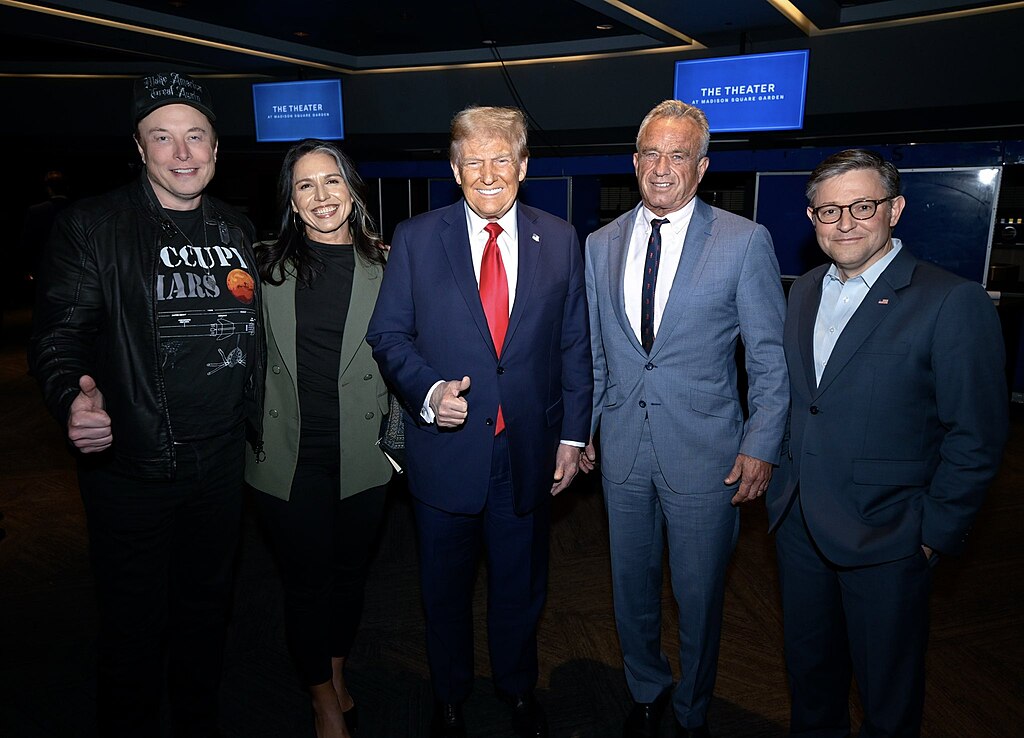
President-elect Donald Trump has outlined plans to invigorate the U.S. semiconductor industry in 2025, aiming to counter reliance on foreign chip production, particularly from China. This initiative is part of a broader strategy to strengthen national security and regain technological dominance in critical supply chains.
During his campaign, Trump emphasized the strategic importance of semiconductors, pledging to provide robust incentives for domestic manufacturing. The plan includes tax breaks for semiconductor companies, significant federal investments in research and development, and enhanced workforce training programs. Trump also signaled his intent to revisit tariffs and restrictions on Chinese-made chips.
“These steps are designed to ensure America leads in innovation and reduces dependency on adversarial nations,” a senior policy advisor stated, highlighting the administration’s focus on reducing vulnerabilities in key industries.
Proposed Policies to Strengthen the U.S. Semiconductor Industry
Federal Incentives and Investments
Trump’s plan proposes substantial subsidies to encourage semiconductor manufacturing in the U.S., expanding on the groundwork laid by the CHIPS and Science Act of 2022. The initiative also includes tax incentives for companies that invest in domestic production facilities.
Additionally, the administration plans to allocate funds toward developing cutting-edge chip technologies, such as 3nm and AI-integrated semiconductors, positioning the U.S. as a leader in next-generation innovations.
Strengthened Workforce Development
Recognizing the need for skilled workers in semiconductor production, Trump aims to invest in STEM education and vocational training programs. Collaborations between the government, educational institutions, and private sector players are expected to create a pipeline of talent to meet industry demands.
Netizens React to Trump’s Semiconductor Agenda
Reactions on social media have been mixed, with many praising the plan for prioritizing American industry, while others expressed skepticism about its execution:
- @TechPatriot: “Finally! Trump is doing what’s needed—bringing chip production back home. A win for American workers!”
- @IndustryInsider: “Incentives are great, but where’s the strategy to beat Taiwan and Korea in advanced chip technology?”
- @EconomicObserver: “If Trump can reduce dependence on China, it’s a step in the right direction.”
- @SkepticalSam: “Will this really boost jobs, or just give tax breaks to corporations? Time will tell.”
- @STEMAdvocate: “Investing in STEM education for chips? Love it! We need skilled workers to make this plan work.”
- @GlobalTechWatch: “Tariffs on China might backfire—what’s the backup plan if costs rise for U.S. companies?”







