


 Netanyahu to Meet Trump in Washington as Iran Nuclear Talks Intensify
  Trump Congratulates Japan’s First Female Prime Minister Sanae Takaichi After Historic Election Victory
  Trump Signs Executive Order Threatening 25% Tariffs on Countries Trading With Iran
  China Warns US Arms Sales to Taiwan Could Disrupt Trump’s Planned Visit
  Jack Lang Resigns as Head of Arab World Institute Amid Epstein Controversy
  Sydney Braces for Pro-Palestine Protests During Israeli President Isaac Herzog’s Visit
  Trump Says “Very Good Talks” Underway on Russia-Ukraine War as Peace Efforts Continue
  Anutin’s Bhumjaithai Party Wins Thai Election, Signals Shift Toward Political Stability
  Antonio José Seguro Poised for Landslide Win in Portugal Presidential Runoff
  Trump Backs Nexstar–Tegna Merger Amid Shifting U.S. Media Landscape
  New York Legalizes Medical Aid in Dying for Terminally Ill Patients
  Federal Judge Restores Funding for Gateway Rail Tunnel Project
  Trump Administration Appeals Court Order to Release Hudson Tunnel Project Funding
  China Overturns Death Sentence of Canadian Robert Schellenberg, Signaling Thaw in Canada-China Relations
  US Pushes Ukraine-Russia Peace Talks Before Summer Amid Escalating Attacks
  Trump Lifts 25% Tariff on Indian Goods in Strategic U.S.–India Trade and Energy Deal
  Bangladesh Election 2026: A Turning Point After Years of Political Suppression


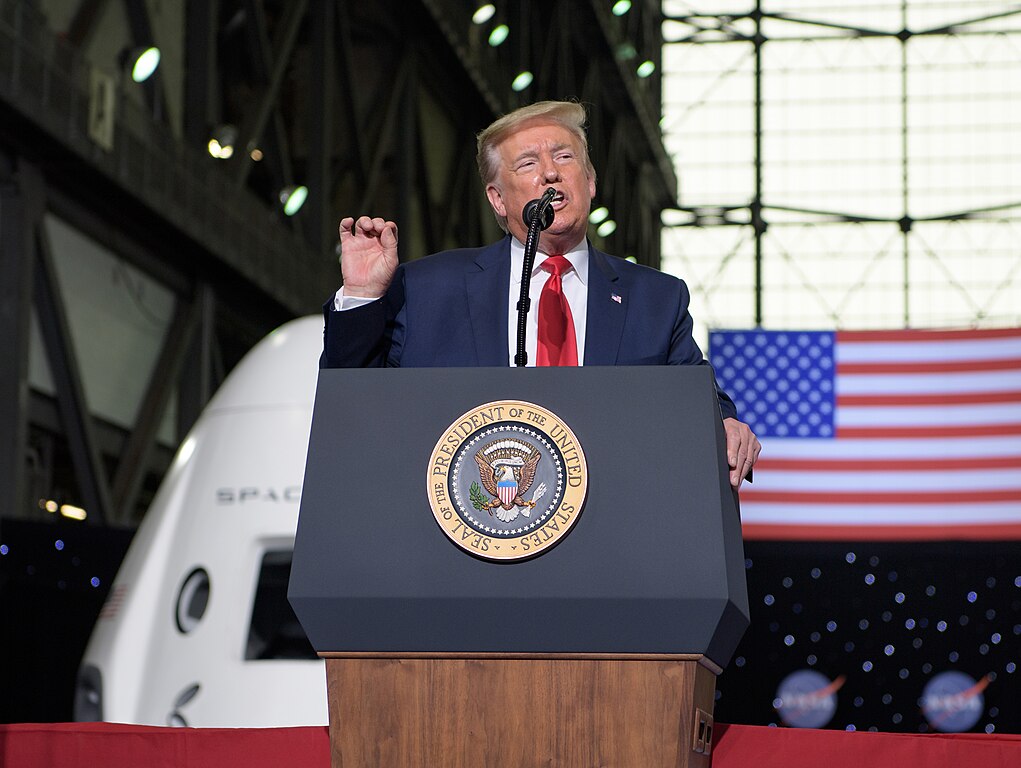
As Donald Trump embarks on his second presidential term, his ambitious education reform plan hinges on a significant increase in federal funding. The question on the minds of many is whether this influx of funds will be enough to address the challenges facing the nation’s schools. With a focus on improving teacher pay, enhancing school choice, and supporting charter schools, Trump's education policies rely heavily on the government's financial backing. But will the promised funding lead to substantial changes in classrooms, or will it fall short in the face of longstanding educational inequities?
Federal Funding: A Game Changer for Teacher Pay and School Choice
One of the key elements of Trump’s education reform is his plan to increase federal funding for public education, particularly for initiatives aimed at boosting teacher salaries and expanding school choice options. Teachers, who have long faced low pay despite their crucial role in shaping the nation’s future, are expected to benefit from this increased funding. The proposal suggests that federal dollars will be used to incentivize state and local governments to raise teacher salaries, especially in underserved areas and critical subject fields like STEM.
Additionally, Trump aims to expand school choice options, such as charter schools and private school vouchers, by directing federal funding to these initiatives. His supporters argue that school choice empowers parents and gives students access to better educational opportunities. Critics, however, warn that this could divert funds from traditional public schools, exacerbating disparities between wealthy and underfunded districts.
The proposed funding is designed to give educators the financial resources they need to succeed, but the actual impact will depend on how local and state governments implement these initiatives. Some experts argue that without careful oversight, the funds may not reach the teachers or schools that need them most.
Challenges in Allocating Federal Funds to Education
While Trump’s education reform plan places a heavy emphasis on increasing federal funding, the practicalities of funding allocation pose a major challenge. Local school districts often face financial constraints and may struggle to manage an influx of federal dollars, particularly if the funds come with strings attached. The political landscape also plays a role in determining how funds are distributed, as Republican-led states may be more inclined to embrace Trump's school choice proposals, while Democratic-led states could push back against policies they perceive as undermining traditional public schools.
Additionally, some education advocates worry that relying on federal funding to solve systemic problems in schools may not be a sustainable solution. They argue that long-term improvements require changes to the entire educational system, including increased investments in public school infrastructure, teacher training, and student support services. While federal funding is undoubtedly important, it may not be enough on its own to address the deeply rooted challenges in education.
Reactions From Netizens on Trump’s Education Funding Plan
Netizens on Twitter have been vocal about Trump’s proposed education funding plan, with opinions ranging from enthusiastic support to sharp criticism. Here are six notable reactions:
- @EdReformAdvocate: "Increased funding for teachers is a step in the right direction, but we need more than that! #TeacherPay"
- @PublicEdDefender: "Trump's funding plan ignores the real issues. Public schools need more investment, not privatization. #StopSchoolVouchers"
- @STEMforChange: "If this plan really boosts teacher salaries, it could attract more talent to our schools. #STEMEducation"
- @EducationFirst: "Federal funding is great, but it needs to go to where it's most needed – low-income districts! #EducationEquity"
- @SupportOurTeachers: "Charter schools are not the answer to our education problems. Traditional public schools deserve more funding. #PublicEducationMatters"
- @FutureTeachersNow: "Teachers deserve the support they're getting from this new funding plan. Let’s make it happen. #TeacherSupport"
Will Trump's Education Funding Plan Meet Expectations?
As Trump’s education reform plan moves forward, the critical role of federal funding cannot be overstated. The success of his policies will largely depend on how well the funds are allocated and whether they reach the schools and teachers that need them most. While the increased funding promises to make a positive impact, there are still significant hurdles to overcome. The future of U.S. education will depend on whether the federal government can deliver on its funding promises and whether these investments translate into tangible improvements in classrooms across the country.













