


 Asian Currencies Slide as Indian Rupee Hits Record Low Amid Iran Tensions
  Nidec Shares Plunge After Quality Inspection Misconduct Allegations
  Asia-Pacific Banks Brace for Rising Credit Risks Amid Iran Conflict
  Alphabet Raises Record $3.6 Billion in Yen Bonds to Support AI Expansion
  Arteris Stock Surges After Strong Q1 Earnings Beat and Higher 2026 Outlook
  Florida Investigates OpenAI and ChatGPT Over Alleged Role in FSU Shooting
  Judge Rules DOGE Humanities Grant Cuts Unconstitutional
  Australia Housing Tax Reform Sparks Debate Over Property Investor Tax Breaks
  Dollar Surges as Inflation Data Fuels Fed Rate Hike Expectations
  Anthropic Eyes $300M Stainless Acquisition Amid Enterprise AI Expansion
  S&P Global Revises Mexico Credit Outlook to Negative Amid Rising Debt Concerns
  Wall Street Futures Rise Ahead of Trump-Xi Summit as Tech Stocks Lead Market Rally
  Federal Appeals Court Allows Texas SB4 Immigration Law Enforcement to Proceed
  SpaceX IPO Faces Backlash Over Elon Musk’s Control and Governance Structure
  Japan Considers Extra Budget Aid Amid Rising Fuel and Utility Costs
  Samsung Shares Slide as Wage Talks Collapse, Raising Strike Fears
  Elon Musk’s China Influence Faces New Challenges Amid Rising EV Competition


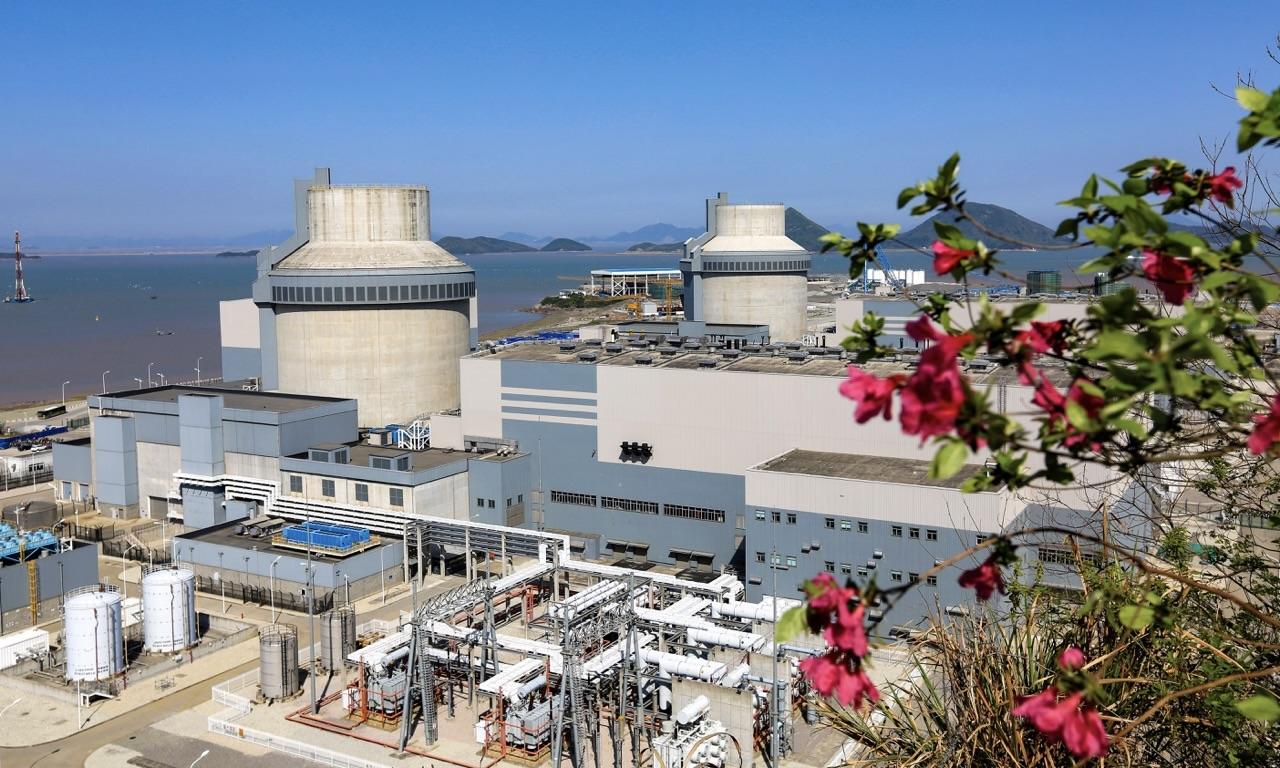
Korea Hydro & Nuclear Power Co. (KHNP) and Westinghouse Electric Corp. have escalated their nuclear technology dispute to the International Chamber of Commerce. The fallout from their disagreement over South Korea's nuclear reactor exports to Poland may cost hundreds of millions of dollars.
According to nuclear and legal industry sources, this move comes after their attempts to reach an out-of-court settlement failed.
The International Chamber of Commerce, chaired by Nicholas Fletcher, is now evaluating the damages claimed by each side, which could amount to several hundred million dollars. The dispute began when Westinghouse filed complaints against KHNP and its parent company, Korea Electric Power Corp., in a US court last October. Their goal was to prevent the exports of nuclear power reactors to Poland.
This action was taken shortly after KHNP signed a letter of intent with Poland's state-run power company Polska Grupa Energetyczna (PGE) and private firm Zespol Elektrowni Patnow-Adamov-Konin (ZE PAK) to construct a nuclear power plant consisting of either two or four power units, each with a capacity of 1.4 gigawatts (GW).
Westinghouse's argument was based on the claim that the Korean nuclear reactor model, APR1400, relied on their original design and technology. Therefore, the two South Korean companies should be responsible for any damages resulting from the export of APR1400-modeled nuclear reactors.
In response, KHNP filed countersuits in the US to compel Westinghouse to withdraw the case while simultaneously seeking an out-of-court resolution. KHNP asserted that they possessed the necessary licenses to utilize the technology, enabling them to export it without the permission of the US nuclear plant developer. Consequently, they argued that they should not be held accountable for royalty payments.
Meanwhile, 33 memorandums of understanding (MoUs) were signed between South Korean and Polish companies, several of which centered around nuclear energy, during the Korea-Poland Business Forum in Warsaw.
Six of these MoUs were specifically related to nuclear power generation. At the same time, two of them were signed between Doosan Enerbility and Polish companies, focusing on constructing new nuclear power plants in Poland.
Last October, a letter of intent was signed by Poland's Ministry of State Assets, South Korea's MOTIE, Polish companies ZE PAK and PGE, and Korea Hydro & Nuclear Power (KHNP) for the development of plans for Poland's second nuclear power plant in Pątnów. This plant will consist of at least two Korean-supplied APR1400 reactors, providing a total capacity of 2800 MWe.







