


 SoftBank Plans Record $6.3 Billion Bond Sale to Fund OpenAI Investments
  Google Changes EU Spam Policy Amid Antitrust Scrutiny
  OpenAI Data Center Chief Chris Malone Exits Ahead of Planned 2027 Listing
  Unitree Shares Plunge 45% After Blockbuster IPO, Raising China Tech Bubble Fears
  SK Hynix Shares Fall as Workers Reject Wage Deal
  Salesforce Shares Surge as AI Demand Powers Q2 Earnings Beat
  Nvidia Reportedly Eyes $13 Billion Hugging Face Acquisition
  Countries Tighten Social Media Bans for Children
  Trump Buys SpaceX Shares After Record IPO
  Samsung Shares Tumble 8% as $79 Billion Return Plan Disappoints
  BofA Names ASML Top Semiconductor Equipment Pick on Growth, Valuation
  SoftBank Eyes $20 Billion Bond Sale to Refinance OpenAI Loan
  Luxshare Shares Rise as First-Half Profit Jumps 18%
  HP Stock Drops 9% Despite Q3 Earnings Beat and Raised 2026 Outlook
  Meta Agrees to $18 Billion Settlement, Tightens Teen Social Media Rules
  Xiaomi Unveils Xring O3 Chip for Flagship Foldable Phone


 Add as a preferred source on Google
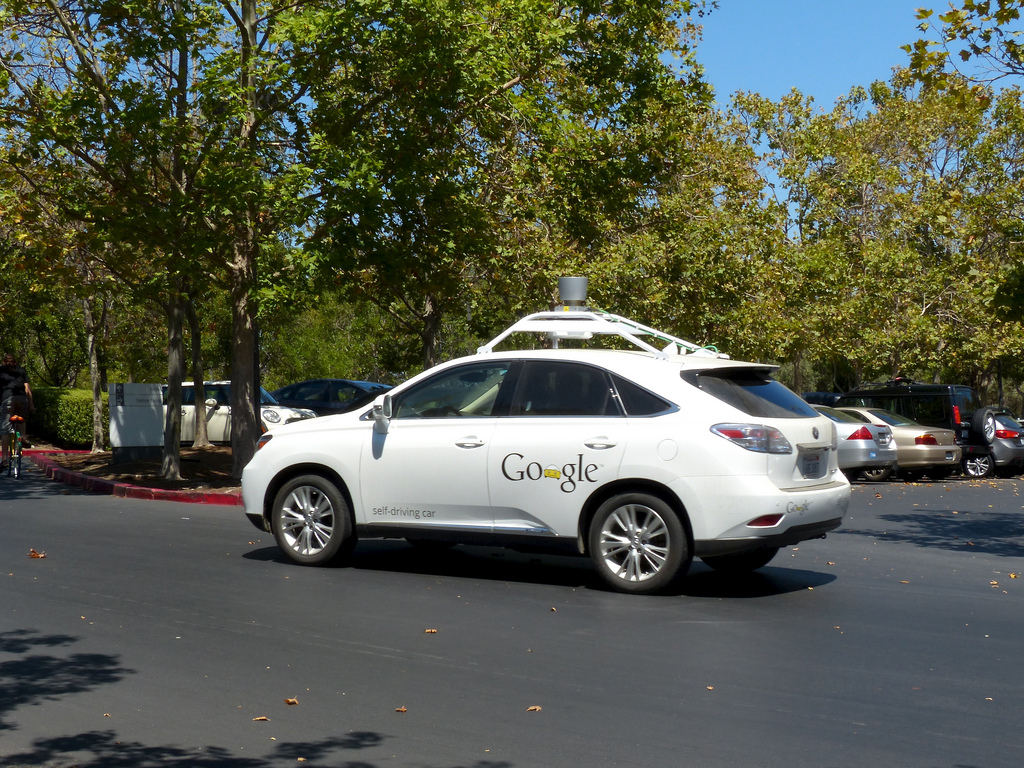
Waymo, formerly known as Google Car, has only been an independent company for a little over a month. However, its prospects in becoming the premier provider of autonomous driving technology are considerable. During the Automobili-D, the company announced that it has created an automated driving stack, which includes a suite of advanced vehicular sensors and processing system. Waymo also shared data on its road tests, highlighting the significant progress made over the years.
Waymo CEO John Krafcik made the announcement during the event, saying that all of the items included in the automated driving stack were all designed and produced by the company in-house, Forbes reports. This effectively made Waymo a manufacturer of automated driving technology, all in the hopes of creating what it considers to be a better driver.
The company already provided the world with a glimpse of vehicles driving with the driverless package installed with the Chrysler Pacific hybrid fleet that was revealed last month. The sensors and software that the vehicles are equipped with have been optimized for completely autonomous driving by Waymo as well.
"We have to build our own self-driving hardware and software," Krafcik said.
Just to drive the point that the company is advancing its self-driving technology at a steady pace, Waymo also released data on its road-tests. According to the results, the company saw significantly fewer disengagements compared to 2015, Bloomberg reports.
Disengagements are basically when the human drivers standing by are forced to take back control from the car, which actually didn’t happen a lot. In 2015, disengagements accounted for only 341 disengagements during a total number of 424,331 miles traveled with the self-driving feature activated. This boiled down to disengagements sitting at 0.8 times for every one thousand miles. In 2016, that number went down to 0.2.
"As our software and hardware becomes more robust through our testing, we’re driving this number down further," Krafcik said.







