


 Judge Delays SEC Settlement With Elon Musk Over Twitter Stock Disclosure Case
  Iran Accuses U.S. of Violating Strait of Hormuz Ceasefire with Ship and Coastal Attacks
  Trump-Xi Beijing Summit to Focus on Trade, Taiwan, and Boeing Deal
  Trump Administration Releases New UFO Files and Apollo Mission Records
  Mexico President Claudia Sheinbaum Reconsiders Early School Closure Plan Ahead of 2026 World Cup
  Trump Announces Russia-Ukraine Ceasefire for May 9-11 Amid Ongoing Peace Talks
  Trump Reportedly Approves Plan to Remove FDA Commissioner Marty Makary Amid Growing Controversies
  Russian LNG Shadow Fleet Expands Amid Arctic LNG 2 Sanctions
  US Launches Retaliatory Strikes on Iran Amid Rising Strait of Hormuz Tensions
  Trump Invites Top CEOs Including Nvidia, Apple, Boeing to China Summit With Xi Jinping
  China-Made Fireworks Power U.S. Independence Day Celebrations Amid Trade Truce
  Pope Leo Calls for Peace as Vatican Seeks Better Ties With U.S.
  Vietnam Plans AI-Driven Propaganda Push With Influencers and Podcasts
  Ukraine-Russia Ceasefire Confirmed as Prisoner Swap Deal Advances
  Trump Says U.S. Navy Destroyers Passed Strait of Hormuz Under Iranian Fire
  Australia’s Wealthy Donors Shift Support to One Nation Amid Conservative Party Decline
  Judge Rules DOGE Humanities Grant Cuts Unconstitutional


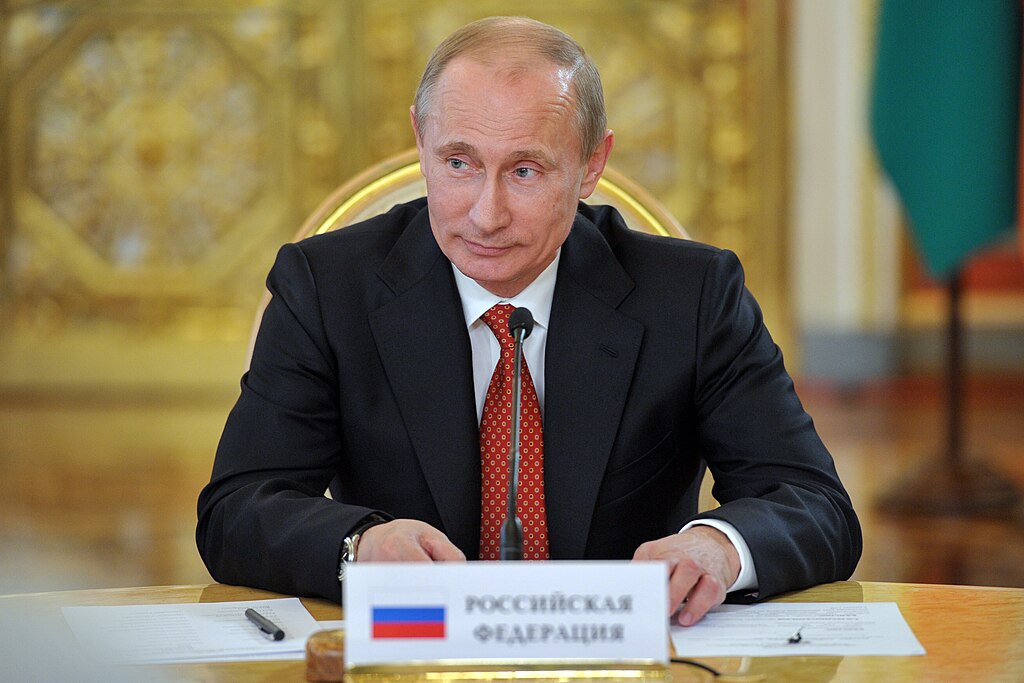
Russian President Vladimir Putin has signed a controversial decree broadening the conditions under which the country could deploy nuclear weapons, raising alarm among global leaders and sparking widespread criticism. The decision, announced in Moscow, underscores a growing shift in Russian defense policy and intensifies fears of escalating international conflicts.
Expanded Nuclear Policy Raises Eyebrows
The decree, which reportedly allows for nuclear weapons to be used not only in direct defense but also in scenarios deemed to pose a broader existential threat to Russia, is a significant departure from previous Russian military policy. The Kremlin cited "increased external aggression" as the primary rationale behind the policy shift, though critics argue it reflects a more aggressive posture in the face of heightened global tensions.
Analysts believe this move signals an effort to bolster deterrence amid strained relations with the West, exacerbated by ongoing geopolitical conflicts, including the war in Ukraine. With NATO expanding its presence in Eastern Europe and military exercises near Russia's borders, Moscow appears to be doubling down on its nuclear strategy.
A Global Outcry
The international response to Putin's decree has been swift. Western powers, including the United States and its NATO allies, have condemned the move, warning it could destabilize global security and spark a renewed arms race. U.S. Secretary of State Antony Blinken called the policy shift "reckless and destabilizing," urging the Kremlin to adhere to existing arms control agreements.
China, often seen as a strategic ally to Russia, has remained notably silent on the matter, fueling speculation about Beijing's stance on the controversial decision. Meanwhile, the United Nations has called for an emergency session to address the implications of Russia’s expanded nuclear policy.
A Potential New Arms Race
The decree has reignited fears of a Cold War-era arms race. Experts warn that Russia's policy change could prompt other nuclear-armed nations to revise their own doctrines, potentially lowering the threshold for the use of nuclear weapons globally.
"By broadening the scope for nuclear use, Russia is setting a dangerous precedent," said Dr. Jane Thompson, a nuclear policy expert. "This could lead to a domino effect where other nations feel compelled to expand their nuclear capabilities and strategies in response."
Domestic Reaction and Propaganda
Within Russia, state-controlled media have lauded the move as a necessary step to ensure national security in an increasingly hostile global environment. However, dissenting voices within the country have expressed concern over the potential consequences of such a provocative policy.
Critics argue that the Kremlin’s decision is less about defense and more about projecting power on the world stage. The decree could also serve as a political tool to rally domestic support amidst growing economic challenges and waning public approval for Putin’s leadership.
The Path Forward
The international community now faces the daunting challenge of addressing the implications of Russia’s decree. Diplomatic efforts to mitigate the risk of nuclear escalation are expected to dominate upcoming global security talks, though it remains unclear whether Moscow is open to negotiation.
With tensions already running high, Putin’s decree marks a pivotal moment in international relations, signaling a new phase of uncertainty and danger in global geopolitics.







