


 Bachelet Pushes Forward With UN Secretary-General Bid Despite Chile's Withdrawal
  Denmark Election 2026: Frederiksen Eyes Third Term Amid Trump-Greenland Tensions
  Trump Backs Down on Iran Strikes After Gulf Allies Sound the Alarm
  ICE Arrest of Guatemalan Woman at San Francisco Airport Sparks Outrage
  US-Iran Ceasefire Talks Underway: What You Need to Know
  Russia-Iran Military Alliance Deepens With Drone Shipments Amid Middle East Tensions
  U.S.-Iran Peace Talks Gain Momentum Amid Ongoing Conflict
  Iran-U.S. Negotiations: Tehran Reviews American Peace Proposal Amid Ongoing Gulf Conflict
  G7 Foreign Ministers Gather in France Amid Global Tensions and U.S. Policy Uncertainty
  Kristi Noem Ends Western Hemisphere Tour in Diminished Role After DHS Firing
  FEMA Reinstates $1 Billion Disaster Prevention Grant Program After Court Order
  Russia Strikes Kharkiv and Izmail as Cross-Border Drone War Escalates
  Trump's Overhaul of American History: Museums, Monuments, and Cultural Institutions
  Jay Bhattacharya to Continue Leading CDC as White House Searches for Permanent Director
  Iran-Israel Missile Strikes Continue Amid Mixed Signals on U.S.-Iran Diplomacy
  Iran Demands Lebanon Be Part of Any Ceasefire Deal With Israel and the U.S.
  Israel Eyes Litani River as New Border Amid Escalating Lebanon Offensive


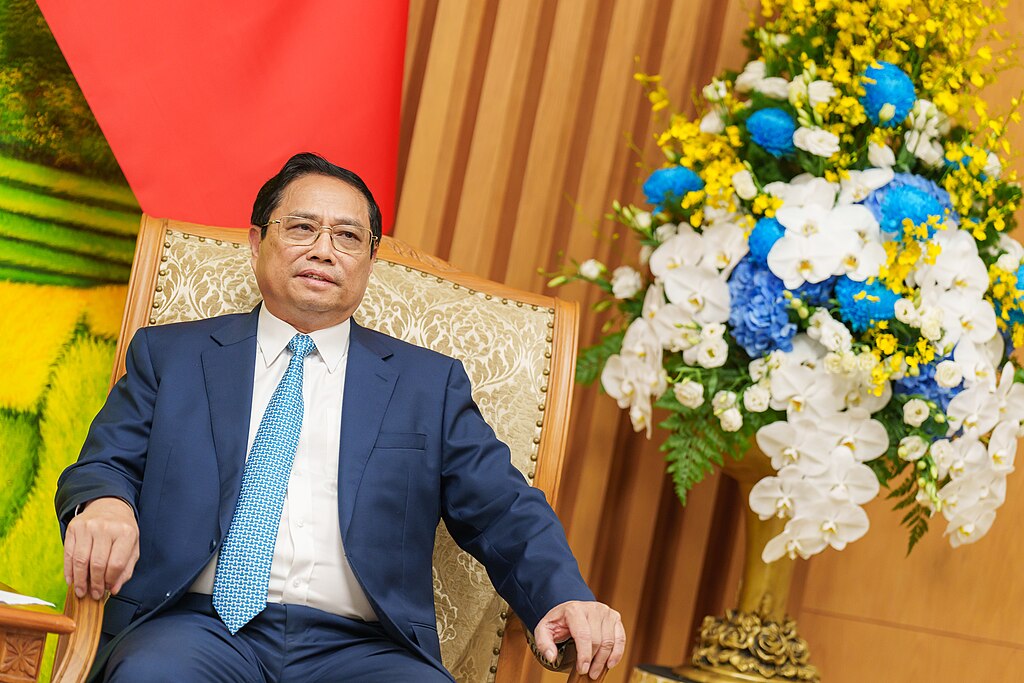
Vietnamese Prime Minister Pham Minh Chinh criticized U.S. President Donald Trump’s newly imposed "reciprocal" tariffs on Monday, warning that the measures are disrupting global trade and threatening Vietnam’s export-driven economy.
Speaking before the National Assembly, Chinh expressed concern over the 46% tariff levied on Vietnamese goods under Trump’s expanded trade policy. He emphasized that the protectionist move is deepening challenges for Vietnam’s economy, which relies heavily on global exports and integrated supply chains.
“These tariffs are not only impacting Vietnam but also causing negative ripple effects throughout global supply networks,” Chinh said. He added that Vietnam is navigating a "challenging and complicated situation" as it faces heightened trade barriers and uncertainty in major markets.
The U.S. tariffs are part of President Trump’s broader push for trade reciprocity, targeting countries with which the United States runs significant trade deficits. Vietnam, a key manufacturing hub in Asia, has been particularly affected due to its robust exports of electronics, garments, and machinery.
Economists warn that escalating trade tensions could stall economic recovery efforts post-pandemic and destabilize markets reliant on cross-border trade. Vietnam’s government is now exploring diversification strategies and deeper regional trade cooperation to cushion the impact of U.S. measures.
The tariff hike also raises concerns about potential retaliation and further trade fragmentation, which could undermine global economic stability.
As Washington continues to recalibrate its trade policies, Vietnam’s leaders are urging diplomatic dialogue to resolve trade disputes and maintain the flow of goods essential to the global economy.
The warning from Hanoi underscores the broader international backlash against Trump’s tariff regime, as nations weigh the long-term costs of economic nationalism on international commerce.













