


 DOJ Clears Paramount Skydance-Warner Bros. Discovery Merger Without Conditions
  Burgum Defends Free Speech as Patriot Front July 4 March Sparks Debate
  DOJ Seeks Dismissal of Gautam Adani Bribery Case, Citing Foreign Scope
  HSBC Australia Faces A$35M Penalty Over Scam Protection Failures
  California Drivers Sue BP, Walmart, 7-Eleven Over Alleged AI Gas Price Fixing
  US Ambassador Prioritizes Cook Islands Critical Minerals, Warns of China’s Pacific Influence
  Israeli Airstrike Kills Two in Gaza City as Ceasefire Violations and Truce Talks Persist
  Meta Seeks Legal Shield From Child-Harm Lawsuits Amid KOSA Talks
  Australia Sues Amazon Over Prime Video Ads and Subscription Terms
  Apple Challenges India Antitrust Probe, Says CCI Copied Rivals’ Claims in App Store Case
  Fortescue Faces Class Action Over Sexual Harassment Claims at Australian Mining Sites
  Trump Administration Proposes Repeal of 702 Federal Regulations in Major Deregulation Push
  Trump Orders DOJ Investigation Into Exxon, Chevron Over High Gas Prices
  Russian Attacks Kill Six Across Ukraine as Kyiv Mourns Deadly Strike
  Zelenskiy Urges Trump’s Support to Help End Russia-Ukraine War
  US Supreme Court Strikes Down Hawaii Gun Carry Law on Private Property
  Trump Marks America’s 250th Anniversary With National Mall Rally Amid Political Divide


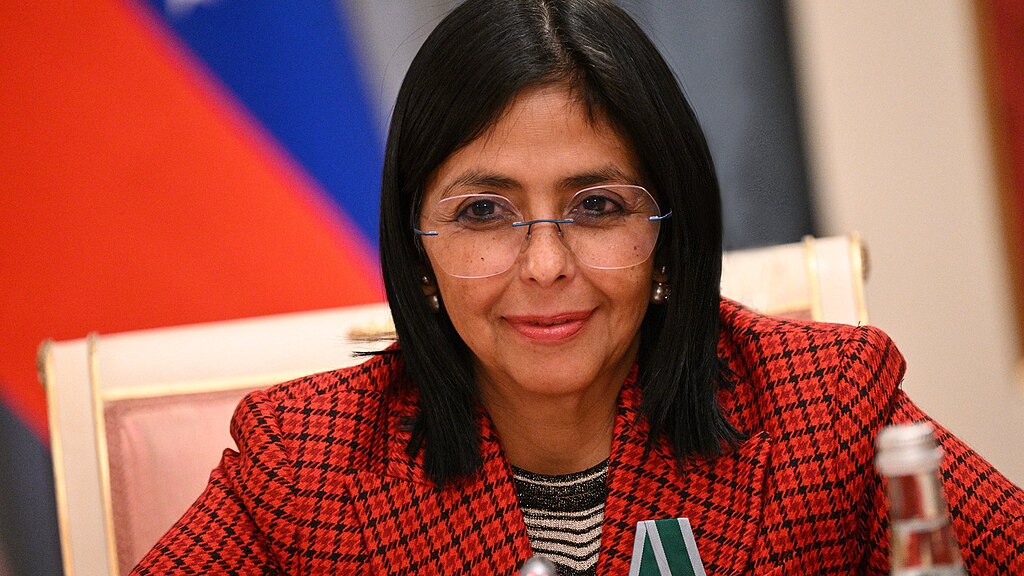
Venezuela entered a new period of political uncertainty after the Constitutional Chamber of the country’s Supreme Court ordered Vice President Delcy Rodríguez to assume the role of acting president following the detention of President Nicolás Maduro early Saturday morning. According to the court ruling, Rodríguez was instructed to take over presidential duties to ensure the continuity of government operations and the defense of national sovereignty during Maduro’s absence.
The decision was announced after U.S. forces reportedly carried out an operation that resulted in Maduro’s detention, a development that has intensified international attention on Venezuela’s ongoing political crisis. The Supreme Court stated that Rodríguez would temporarily hold “the office of President of the Bolivarian Republic of Venezuela” with the explicit aim of guaranteeing administrative continuity and maintaining the functioning of state institutions.
In its official ruling, the Constitutional Chamber emphasized the need to preserve stability within the government, citing concerns over governance, security, and sovereignty. The court also confirmed that it would convene further deliberations to determine the appropriate legal framework governing the president’s forced absence. These discussions are expected to address how the state, executive administration, and national defense should operate under the current circumstances.
Delcy Rodríguez, a long-time ally of Maduro and a central figure in the Venezuelan government, now faces the challenge of managing the country during a period marked by economic hardship, political divisions, and strained relations with the United States and other Western nations. Her appointment as acting president signals an attempt by the Supreme Court to project institutional continuity amid sudden leadership disruption.
The ruling has sparked debate among legal experts and political analysts, with some questioning the constitutional implications of the court’s decision and others focusing on the broader geopolitical consequences. As the Supreme Court prepares to further review the situation, both domestic and international observers are closely monitoring developments to assess how Venezuela’s leadership transition may reshape the country’s political landscape.
This latest move underscores the fragile balance of power in Venezuela and highlights the Supreme Court’s influential role in navigating the nation through one of its most critical moments in recent history.







