


 US Revokes Over 175,000 Visas Under Trump Immigration Crackdown
  Trump Orders Reduction in U.S.-South Korea Military Drills, Citing Kim Jong Un Ties
  Trump Signs Order to Cut Routine Childhood Vaccines
  France Keeps Top Health Alert as Officials Brace for Another Heatwave
  Merz Pushes Faster Reforms to Revive German Economy
  Israeli Strikes Kill Two in Gaza as Tensions Rise
  Iran Allows Iraqi Oil Tankers Through Strait of Hormuz
  US Tightens Cuba Sanctions, Targets Officials and State Entities
  NATO Facilitates Allied Talks on Strait of Hormuz Navigation
  Milei Pushes for Formula 1 Return to Argentina
  GSK Reportedly Nears $9 Billion Acquisition of Cancer Drug Developer Nuvalent
  Trump Orders Probe Into Pentagon Munitions Stockpile Leaks After Iran Conflict
  Raphael Glucksmann Launches 2027 French Presidential Bid
  Trump Administration Weighs Executive Order on Vaccines and Autism Research
  SEC Clears Path for Data Center Securitizations as AI Financing Demand Surges
  Prince Harry Faces Potential Multi-Million-Pound Legal Bill in Daily Mail Case
  AstraZeneca, Bristol Myers Squibb Explore Mega Merger Worth Nearly $400 Billion


 Add as a preferred source on Google
Health officials are warning that the biggest public health threats following the twin earthquakes that struck Venezuela’s northern coast last month are no longer limited to earthquake-related injuries. Instead, concerns are shifting toward disease outbreaks, disrupted healthcare services, overcrowded shelters and limited access to clean water and sanitation.
The Pan American Health Organization (PAHO), the regional office of the World Health Organization (WHO), said it is working closely with Venezuela’s Health Ministry to monitor potential outbreaks of respiratory and digestive illnesses, particularly among thousands of people displaced by the disaster and now living in more than 80 temporary shelters.
PAHO Director Jarbas Barbosa said the coming weeks will be critical as interruptions to routine healthcare, poor sanitation, reduced vaccination access and overcrowded living conditions could increase the risk of infectious diseases. He stressed that improving vaccination coverage is a priority, noting that immunization rates in Venezuela were already below recommended levels before the earthquakes.
Health authorities are integrating field hospitals and emergency shelters into an early warning surveillance system designed to detect diarrheal diseases, respiratory infections, fever-related illnesses and vaccine-preventable diseases as quickly as possible.
PAHO's Director for Health Emergencies, Ciro Ugarte, said Venezuela’s healthcare system was already under severe strain due to years of economic hardship. The migration of healthcare professionals has further weakened emergency response capacity, forcing hospitals not designed for trauma care to treat earthquake victims. He added that medical services have improved with international assistance, field hospitals and healthcare workers deployed from other regions.
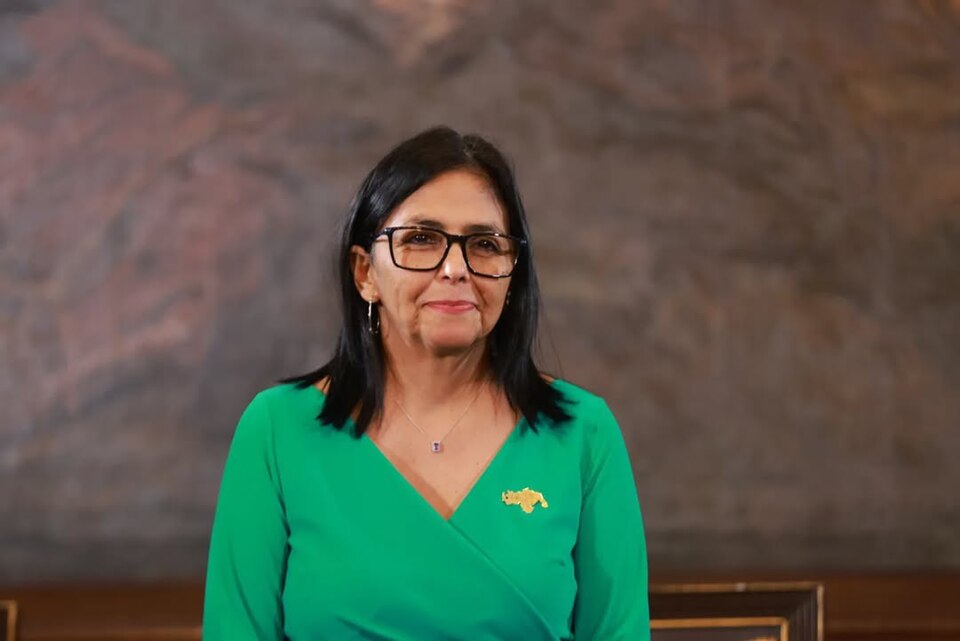
Acting President Delcy Rodriguez has defended the government's disaster response amid criticism that local residents led much of the rescue and recovery effort alongside international rescue teams, firefighters and military volunteers.
Authorities on Thursday raised the official death toll to 3,889, while 16,740 people were reported injured and 17,907 left homeless. PAHO officials also confirmed that 300 unidentified victims in the hardest-hit state of La Guaira were buried with detailed forensic records, including preserved genetic material and documented burial locations, allowing future identification efforts to continue.







