


 Saudi Arabia Probes Flydubai Cockpit Attack
  Fairshake Backs 32 Pro-Crypto House Candidates
  US Treasury Drops Crypto Wallet Tracking Plan
  US Pressures Allies to Distance From Anti-Disinformation Conference
  Gold Prices Fall as Stronger Dollar Weighs on Bullion
  Trump Opens Tax-Exempt Dyed Diesel Access as Fuel Prices Surge
  US DOT Ends Airline Privacy Review Without Enforcement
  US-Led Coalition Targets Global Factory Overcapacity
  SEC Investor Reform Validates Barry Silbert’s Tokenization Vision
  San Francisco Halts New Data Center Construction With 45-Day Moratorium
  RBI Raises Repo Rate to 5.50% in Hawkish Shift on Inflation Risks
  Mexico Bars Dual Citizens From Presidential Races Starting in 2028
  Indian Stocks Fall as RBI Hikes Rates to 5.50%
  Trump Envoy Meets Sudan Army Chief in Egypt
  Maduro, Wife May Face New US Torture Charges
  Oil Prices Rise as Hormuz Risks Offset IEA Stock Release
  US Treasury Yields Ease After Strong 10-Year Auction as Global Bonds Struggle


 Add as a preferred source on Google
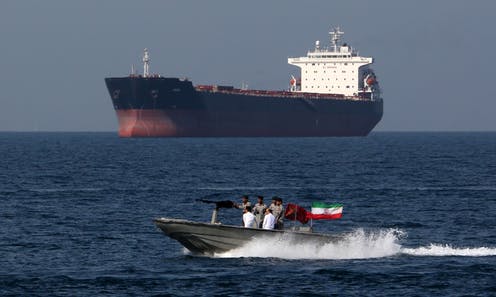
Iran has approved the passage of several Iraqi oil tankers through the Strait of Hormuz after repeated requests from Baghdad, offering limited relief as regional tensions continue to disrupt one of the world’s most important energy routes.
Iran’s state-run IRNA reported that the decision followed Iranian Parliament Speaker Mohammad Bagher Ghalibaf’s visit to Iraq. Iraqi President Nizar Amedi said Tehran had already helped some Iraqi oil vessels navigate the strait, while acknowledging that the broader situation remains complicated.
Iraq, which produced roughly 4 million barrels of oil per day before the conflict, is also exploring alternative export routes through Turkey’s Ceyhan port, Syria’s Baniyas port and Jordan’s Aqaba port.
The development comes as U.S. President Donald Trump intensifies pressure on Tehran. Speaking at a rally in Myrtle Beach, South Carolina, Trump described the Strait of Hormuz as “American territory” and claimed Washington has “total control” over the strategic waterway. He also reiterated that Iran would never be allowed to obtain a nuclear weapon.
Iranian Supreme National Security Council Secretary Mohsen Rezaei rejected Trump’s assertions, arguing that Tehran would determine how any reopening of the Strait of Hormuz is managed. He said passage could involve fees and warned that Iran could retaliate against Gulf states that participate in a U.S.-led economic blockade.
Rezaei also threatened U.S. oil and economic interests in the region if Washington escalates its economic campaign, while maintaining that Iran does not seek to broaden the conflict.
Diplomatic efforts are continuing. Egyptian Foreign Minister Badr Abdel-Aty spoke with Iranian Foreign Minister Abbas Araghchi about regional de-escalation, Oman-Iran negotiations and prospects for reviving the June 18 U.S.-Iran memorandum of understanding. Abdel-Aty emphasized freedom of navigation and Gulf security.
Meanwhile, Trump has announced tougher sanctions targeting Iranian oil smuggling, financial transfers, ship registries and front companies, describing the campaign as an “Economic D-Day.”
Brent crude closed at $93.93 per barrel on August 21, highlighting continued oil market sensitivity to developments surrounding Iran and the Strait of Hormuz.







