


 CDC Monitors U.S. Travelers After Hantavirus Outbreak on Luxury Cruise Ship
  Rubio Approves $25.8 Billion Weapons Sale to Middle East Allies
  FEMA Reinstates Employees After Dissent Letter, Signaling Shift in Workforce Stability
  Trump Inspects Lincoln Memorial Reflecting Pool Renovation in Washington
  TikTok Nears $400 Million Settlement With Trump Administration Over Child Privacy Lawsuit
  Trump Administration Releases New UFO Files and Apollo Mission Records
  Judge Rules Use of Military Lawyers in Civilian Prosecutions Is Lawful
  Google Secures Pentagon AI Deal for Classified Projects
  US House Advances $70 Billion Immigration Enforcement Budget Plan
  Russia Downs Over 50 Drones Near Moscow Ahead of Victory Day Ceasefire
  Ukraine-Russia Ceasefire Confirmed as Prisoner Swap Deal Advances
  Trump Reportedly Approves Plan to Remove FDA Commissioner Marty Makary Amid Growing Controversies
  Judge Delays SEC Settlement With Elon Musk Over Twitter Stock Disclosure Case
  Rubio Presses Italy Over Iran Support as Tensions Test U.S.-Italy Alliance
  US Launches Retaliatory Strikes on Iran Amid Rising Strait of Hormuz Tensions
  Trump Invites Top CEOs Including Nvidia, Apple, Boeing to China Summit With Xi Jinping


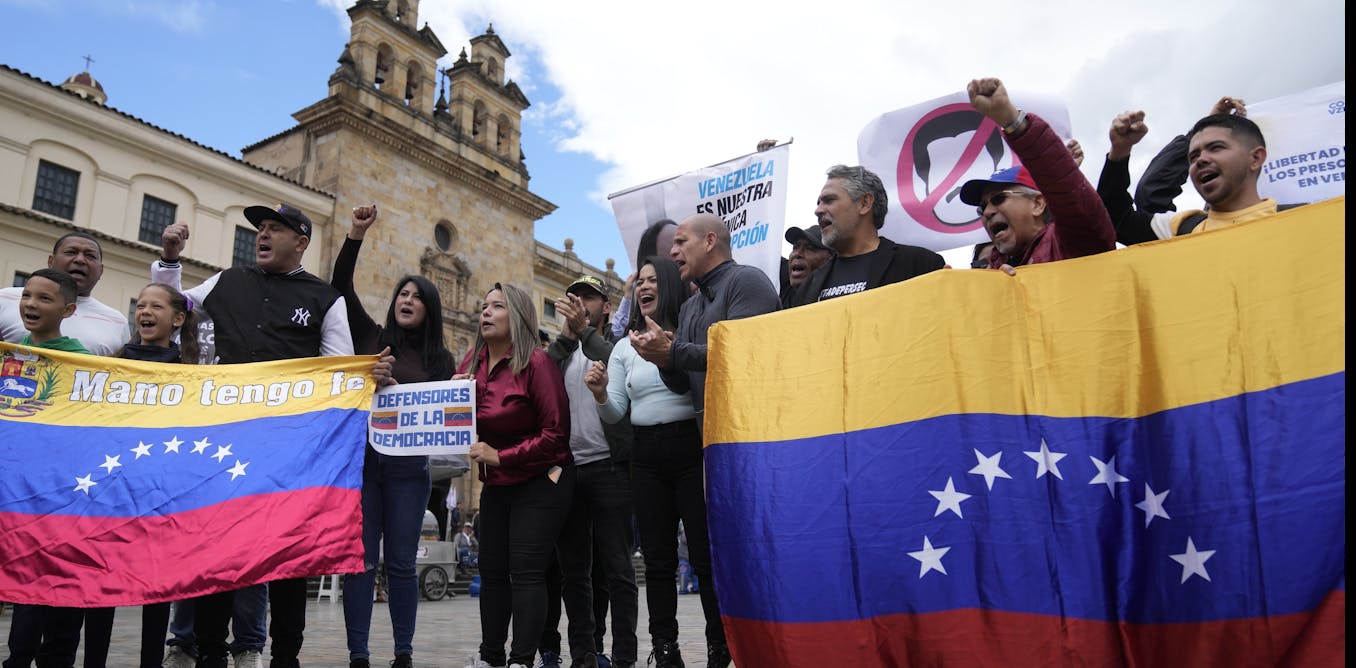
Nearly 2,200 people have been released from Venezuelan prisons following the implementation of a new amnesty law, according to lawmaker Jorge Arreaza. The measure, which officially came into effect on Friday, marks a significant development in Venezuela’s criminal justice and human rights landscape.
Arreaza, who serves as president of the commission established to oversee the rollout of the amnesty law, confirmed the figures on Monday. The commission is responsible for monitoring compliance, reviewing individual cases, and ensuring that the legal framework is properly applied across detention centers nationwide. Authorities expect the number of releases to continue rising as more cases are evaluated under the new legislation.
The Venezuela amnesty law aims to address concerns related to prison overcrowding, due process, and the detention of individuals under specific legal circumstances. Government officials have presented the initiative as part of broader justice system reforms intended to promote national reconciliation and institutional transparency. The release of nearly 2,200 detainees within days of the law taking effect highlights the speed at which authorities are moving to implement the policy.
Human rights observers and political analysts are closely watching how the amnesty process unfolds. Key questions remain about eligibility criteria, the categories of offenses covered, and the long-term impact on Venezuela’s prison population. Supporters argue the move could ease pressure on correctional facilities and foster dialogue, while critics are calling for detailed reporting and accountability throughout the process.
As the commission led by Jorge Arreaza continues its oversight work, further updates are expected regarding additional prisoner releases and the broader implications of the Venezuela amnesty law. The development signals a notable shift in the country’s legal and political environment, drawing both domestic and international attention.







