


 XRP Holds Steady at $1.39 as Crypto Market Faces Heavy Liquidations
  BNB Price Faces Pressure as DOJ Investigates Binance
  GRAM Price Jumps 9% as Telegram Expands Money Wallet
  XRP Ledger Activates New Security Feature for Banks and Stablecoins
  Bitcoin ETFs Lose $681 Million, Ending Three-Week Inflow Streak
  Fed’s Williams Signals One More Rate Hike Before Year-End
  Bitcoin Rebounds to $82K as Crypto Market Faces Weekly Losses
  Bitcoin Rebounds to $82K as Trump Eases Iran War Fears
  DWF Labs Sues BitGo for $114 Million Over Alleged Token Sales Breach


 Add as a preferred source on Google
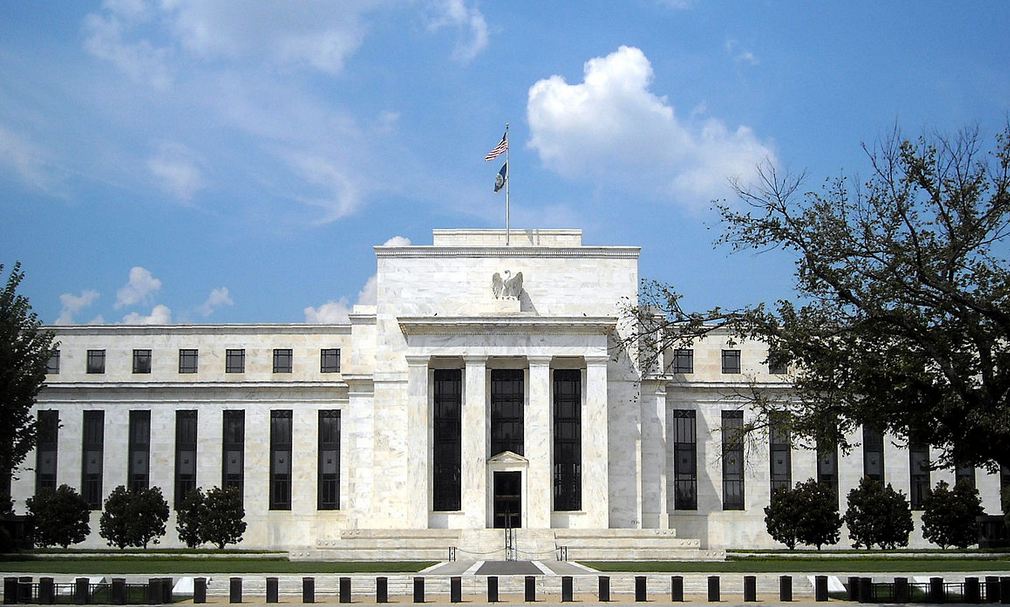
Delay in FED hike and sharp drop in expectations, which now is forecasting first rate hike close to middle of next year is creating headache for European Central Bank (ECB) and Bank of Japan (BOJ) policymakers.
Latest developments in US, started with no rate hike from FED in September, followed by weaker job gains in September that followed weaker than expected retail sales led to sharp pull back in rate hike expectation and drop in Dollar.
Many of the market based indicators are pointing that Dollar might weaken further after this month's FOMC policy decision which is very much likely to sound dovish.
With weak Dollar, since it touched 100 mark (dollar index), both Euro and Yen gave gained against Dollar.
Euro has gained more than 900 pips from its recent low against Dollar while Yen is suffering heavy volatility due to rising risk aversion. Yen is up more than 700 pips against Dollar so far. Euro is currently trading at 1.137 against Dollar and Yen at 119 per Dollar.
This relatively higher rate is feeding into low inflation and reducing the advantage of lower exchange rates.







