


 TrumpRx.gov Highlights GLP-1 Drug Discounts but Offers Limited Savings for Most Americans
  Netanyahu to Meet Trump in Washington as Iran Nuclear Talks Intensify
  U.S.-India Trade Framework Signals Major Shift in Tariffs, Energy, and Supply Chains
  U.S. to Begin Paying UN Dues as Financial Crisis Spurs Push for Reforms
  Ohio Man Indicted for Alleged Threat Against Vice President JD Vance, Faces Additional Federal Charges
  Trump Allegedly Sought Airport, Penn Station Renaming in Exchange for Hudson River Tunnel Funding
  Jack Lang Resigns as Head of Arab World Institute Amid Epstein Controversy
  Trump Says “Very Good Talks” Underway on Russia-Ukraine War as Peace Efforts Continue
  Trump Endorses Japan’s Sanae Takaichi Ahead of Crucial Election Amid Market and China Tensions
  India–U.S. Interim Trade Pact Cuts Auto Tariffs but Leaves Tesla Out
  Pentagon Ends Military Education Programs With Harvard University
  Iran–U.S. Nuclear Talks in Oman Face Major Hurdles Amid Rising Regional Tensions
  New York Legalizes Medical Aid in Dying for Terminally Ill Patients
  TrumpRx Website Launches to Offer Discounted Prescription Drugs for Cash-Paying Americans
  Trump Allows Commercial Fishing in Protected New England Waters
  U.S. Lawmakers to Review Unredacted Jeffrey Epstein DOJ Files Starting Monday


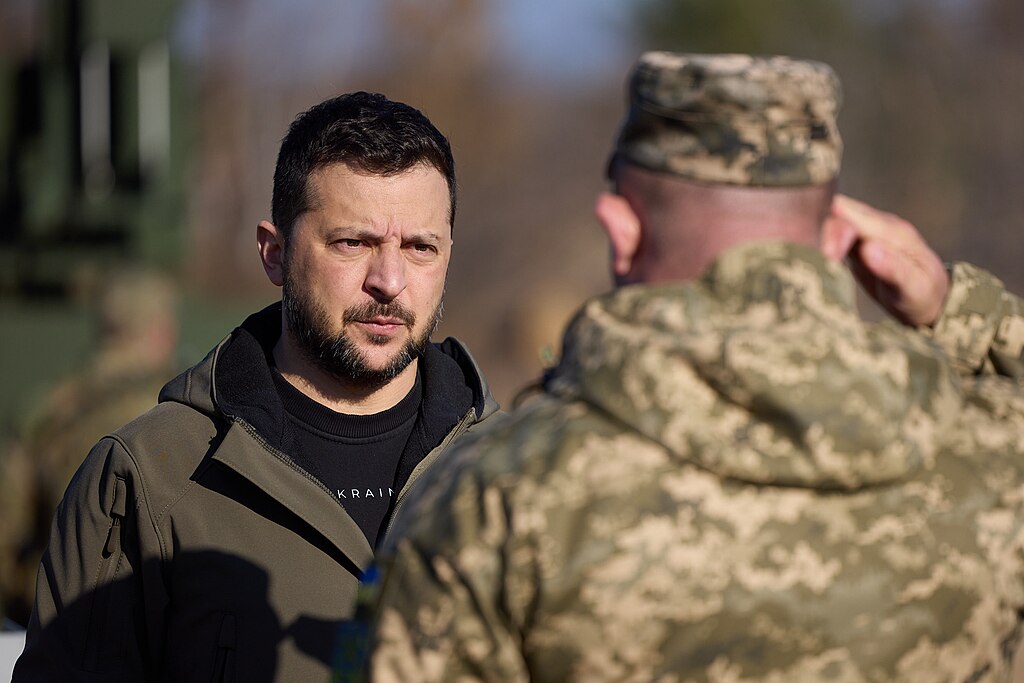
Ukrainian and Russian negotiators met in Abu Dhabi on Friday for high-stakes peace talks focused on the sensitive issue of territory, but there were no signs of compromise as Russia intensified airstrikes that plunged Ukraine into its worst energy crisis since the war began nearly four years ago. The discussions, brokered by the United States and involving Ukrainian, Russian, and U.S. officials, are set to conclude on Saturday amid mounting international pressure to reach a ceasefire.
The talks come as Kyiv faces growing pressure from Washington to move toward a peace deal in the conflict sparked by Russia’s full-scale invasion in February 2022. Moscow is demanding that Ukraine cede the entire eastern industrial region of Donbas, a condition Ukrainian President Volodymyr Zelenskiy has firmly rejected. Zelenskiy said the territorial dispute is the central obstacle in negotiations, emphasizing that Russia must show genuine readiness to end the war it started.
Zelenskiy stated he remains in close contact with Ukraine’s negotiating team, led by Rustem Umerov, secretary of the National Security and Defence Council. Umerov said the talks addressed potential parameters for ending the war and the broader framework for future negotiations, though concrete outcomes remain uncertain.
The diplomatic efforts are unfolding as Russian attacks on Ukraine’s power infrastructure escalate, cutting electricity and heating to major cities including Kyiv during sub-zero temperatures. Ukraine’s energy officials warned that the country’s power grid is facing its most severe strain since the massive blackouts of late 2022. The head of Ukraine’s largest private energy producer described the situation as nearing a humanitarian catastrophe and urged an immediate halt to strikes on energy facilities.
Russia maintains it prefers a diplomatic solution but insists on achieving its objectives, including full control of Donbas, if talks fail. Zelenskiy continues to reject territorial concessions, reflecting public opinion in Ukraine, where polls show little support for giving up land. Meanwhile, Kyiv is awaiting a date to sign a U.S. security guarantees agreement, which it views as critical to preventing future Russian aggression and securing lasting peace.













