


 Goldman AM Sees Strong Buyout Opportunities in Japan, South Korea and Australia
  SK Hynix Shares Drop After Strong Nasdaq Debut Despite $26 Billion ADR Listing
  TSMC Q2 Revenue Surges 36% as AI Chip Demand Powers Growth Ahead of Earnings
  Deutsche Bank Fined A$2 Million by ASIC Over OTC Derivatives Reporting Errors
  Genesis Minerals to Acquire Vault in A$5.6 Billion Deal After Regis Withdraws
  Oppenheimer Sees CNH Industrial as Top 2026 Agriculture Stock Pick on Dealer Consolidation Strategy
  Kitron Q2 Revenue Beats Estimates as Defense Demand Lifts Growth
  Elon Musk Says Anthropic Leads AI Race as Claude Models Challenge OpenAI
  Morgan Stanley Says China’s Reusable Rocket Progress Poses Long-Term Challenge to SpaceX
  SK Hynix Soars 13% in Nasdaq Debut After Record $26.5 Billion IPO
  DOJ Grand Jury Investigates UAW President Shawn Fain Ahead of Union Election
  Nippon Paint Reportedly Offers Up to €7.5 Billion for Akzo Nobel Decorative Paints Business
  Morgan Stanley Names Marks & Spencer Top European Retail Pick, Sees Strong Upside
  UBS Starts CarTrade Tech With Buy Rating, Sees Strong Earnings Growth and ₹4,000 Target
  Yaskawa Electric Shares Slide as Weak Profit Overshadows Strong AI Demand
  Samsung to Launch First Yongin Chip Plant by 2029 as South Korea Speeds Up Semiconductor Hub
  SoftBank Corp Partners With Sierra to Expand AI Customer Support Across Japan


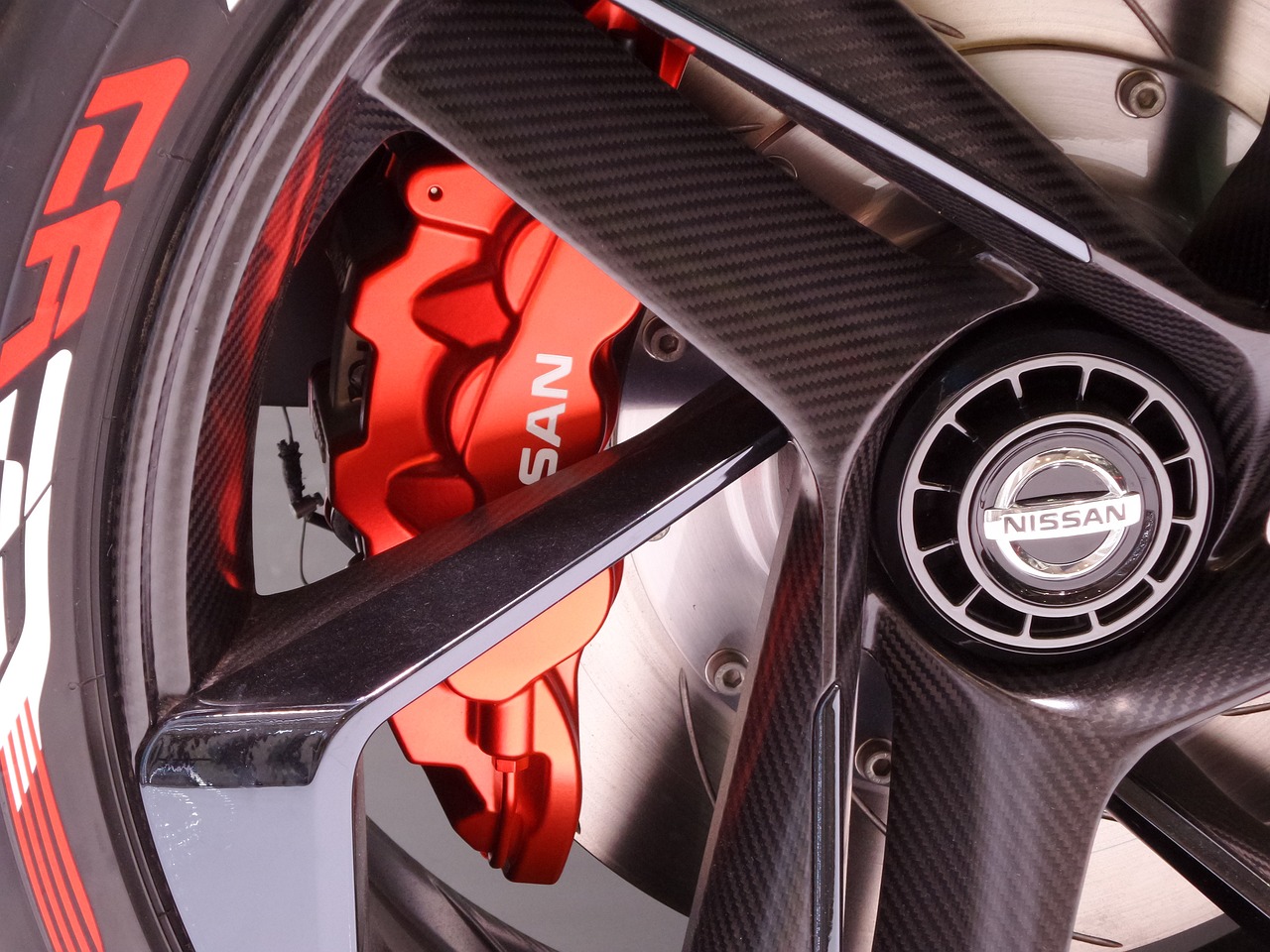
Nissan Motor has unveiled a sweeping restructuring strategy aimed at reviving its global presence, announcing plans to reduce its worldwide vehicle lineup from 56 models down to 45. The Japanese automaker is betting on a leaner, more focused portfolio to drive efficiency and sharpen its competitive edge in an increasingly crowded automotive market.
Central to Nissan's long-term vision is a significant push into artificial intelligence-powered driving technology. The company aims to integrate its AI driving systems into 90% of its vehicle lineup over time, positioning itself as a serious contender in the race toward smarter, more connected cars. This move signals Nissan's commitment to staying relevant as consumer demand for advanced driver-assistance systems and autonomous features continues to grow.
On the sales front, Nissan has set ambitious regional targets. In the United States — one of the world's most competitive auto markets — the company is targeting a return to annual sales of 1 million vehicles by its 2030 financial year. Domestically, Nissan is aiming to grow its annual sales volume in Japan to 550,000 units within the same timeframe.
The announcements reflect a broader effort by Nissan to stabilize and rebuild following years of financial and organizational turbulence. By trimming its model lineup, the automaker hopes to reduce production costs, streamline operations, and concentrate resources on its highest-performing and most profitable vehicles.
Industry analysts see the strategy as a calculated reset — one that prioritizes quality over quantity while embracing the technological shifts reshaping the automotive landscape. Whether Nissan can execute on these targets will depend heavily on how effectively it deploys its AI innovations and adapts to shifting consumer preferences in key markets like the U.S. and Japan.







