


 CDC Monitors U.S. Travelers After Hantavirus Outbreak on Luxury Cruise Ship
  Senate Stablecoin Bill Sparks Clash Between Banks and Crypto Industry
  Trump Signals Possible U.S.-Iran Peace Deal as Markets Rally on Hopes of War Ending
  Russian LNG Shadow Fleet Expands Amid Arctic LNG 2 Sanctions
  China-Made Fireworks Power U.S. Independence Day Celebrations Amid Trade Truce
  S&P 500, Nasdaq Hit Record Highs as AI Stocks Rally and Strong Jobs Data Boost Confidence
  European Stocks Edge Higher as Iran-U.S. Peace Talks Boost Market Sentiment
  FEMA Reinstates Employees After Dissent Letter, Signaling Shift in Workforce Stability
  Iran-U.S. Peace Deal Near as Oil Prices Fall and Nuclear Disputes Persist
  U.S.-China Beef Trade Deal Hopes Rise Ahead of Trump-Xi Summit
  Wall Street Futures Slip After Record Rally Fueled by Iran Peace Hopes and AMD Surge
  Oil Prices Rebound Slightly After Sharp Drop on Iran Deal Hopes
  Rubio Approves $25.8 Billion Weapons Sale to Middle East Allies
  U.S. Sanctions Former DR Congo President Joseph Kabila Over Rebel Support
  Ghana Rejects U.S. Health Deal Over Data Sharing Concerns Amid Foreign Aid Shift
  Trump Inspects Lincoln Memorial Reflecting Pool Renovation in Washington
  Judge Delays SEC Settlement With Elon Musk Over Twitter Stock Disclosure Case


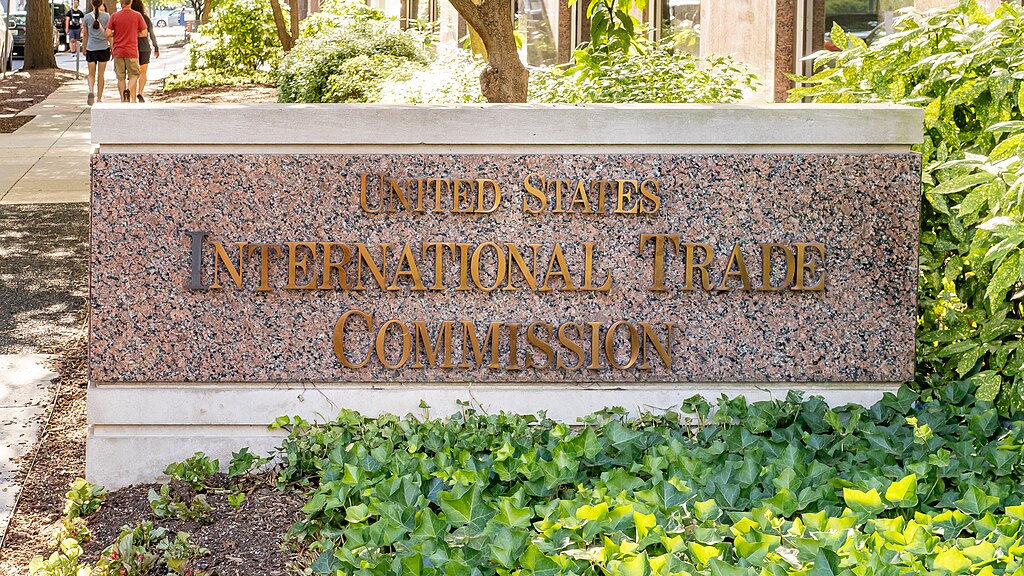
The U.S. International Trade Commission (USITC) announced Thursday that it will investigate the economic impact of revoking China’s Permanent Normal Trade Relations (PNTR) status, a move that could significantly increase tariffs on Chinese imports. The investigation, mandated by Congress through an appropriations bill, will assess the effects over a six-year period, with a final report scheduled for release by August 21.
PNTR status was granted to China in 2000, paving the way for its entry into the World Trade Organization (WTO) and accelerating its rise as the world’s largest manufacturing hub. Revoking this status would mean higher base tariff rates on Chinese goods, replacing the long-standing “Most Favored Nation” (MFN) tariff rate of roughly 2.5% that has applied to most imports.
In January 2025, President Donald Trump directed trade officials to evaluate legislative proposals aimed at ending China’s PNTR designation. Since returning to office, Trump has imposed new tariffs on Chinese imports, with rates reaching as high as 145% before being reduced to about 20% following trade negotiations. However, the Supreme Court recently ruled that Trump’s emergency tariffs were unlawful, prompting consideration of alternative trade authorities to maintain punitive duties on Chinese products.
If Congress revokes PNTR, the higher non-MFN tariff rates would be layered on top of any additional China tariffs implemented under other legal mechanisms. The USITC stated that its report will analyze the potential effects on U.S. trade flows, domestic production, consumer prices, and key industries most exposed to increased tariffs on Chinese goods.
The commission will also evaluate a second scenario in which Congress phases in select tariffs over five years, particularly targeting products tied to U.S. national security interests. Public comments on the proposed tariff changes are open until April 13, though the USITC does not plan to hold a public hearing due to the expedited review process.







