


 Denmark Expects Long-Term NATO Presence in Greenland, Arctic
  Tim Scott Blames Democrats as CLARITY Act Stalls in Senate
  Haiti Gang Retaliation Kills at Least 11 in Artibonite
  US Forces Exit Iraq as Iran Influence and ISIS Risks Grow
  Second DOJ Lawyer Exits Trump Probe
  US Appeals Court Keeps Trump IRS Case Sanctions in Place
  Trump, Tech Leaders Sign ‘Morally Binding’ AI Safety Accord
  UN Extends Haiti Security Force Mandate Ahead of Elections
  White House Blames Democrats as CLARITY Act Stalls
  UK Police Probe Foreign State Link in RAF Fairford Plot
  US Plans Iran Sanctions Waiver for Pilgrim Flights to Iraq
  UN Condemns Myanmar Airstrike That Kills 50 in Rakhine
  US Sanctions Iran Weapons Procurement Network
  Pope Leo Urges Europe to Pursue Peace Through Compromise
  TSA Removes Chairs for Airport ID Check Officers
  US Troops Set to Complete Iraq Withdrawal as Iran Influence Grows
  Senate Democrats Say Tether USDT Helps Iran Evade Sanctions


 Add as a preferred source on Google
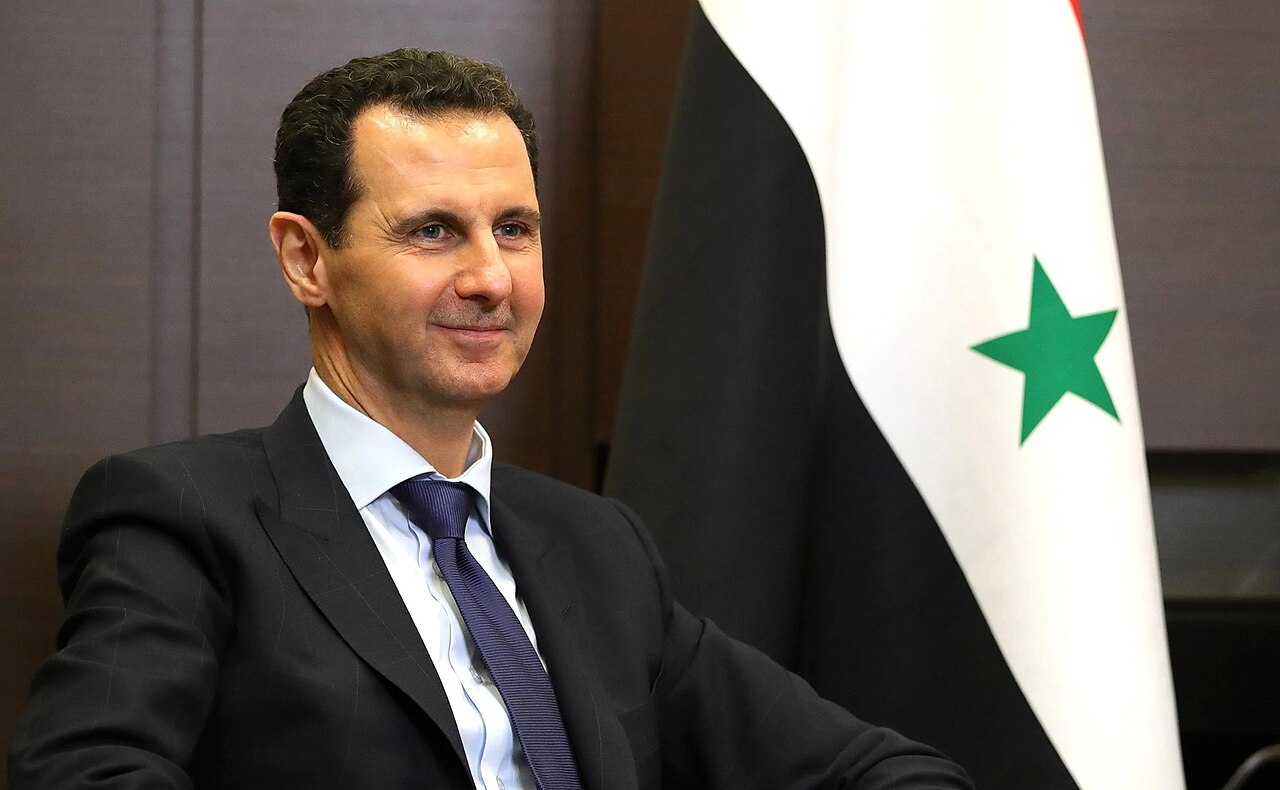
Bashar al-Assad’s 24-year rule over Syria ended dramatically in December 2024 after rebel forces launched a rapid offensive that overwhelmed his weakened military. With Russia focused on its war in Ukraine and Iran weakened by its conflict with Israel, Assad’s key allies were unable to prevent the collapse of his government.
Assad fled Syria on December 8, 2024, and was granted refuge in Moscow, ending more than five decades of rule by the Assad family. On Tuesday, a Damascus court sentenced him to death in absentia over crimes including killings, arbitrary arrests and torture committed during his rule.
Assad became president in 2000 after the death of his father, Hafez al-Assad, who had ruled Syria since 1971. Initially viewed by some as a potential reformer, Bashar soon maintained the authoritarian security system inherited from his father.
His presidency became dominated by the Syrian civil war, which erupted in 2011 after government forces violently suppressed pro-democracy protests inspired by the Arab Spring. The conflict killed hundreds of thousands of people, destroyed major cities and forced millions of Syrians to flee the country.
International investigations concluded that Syrian government forces used chemical weapons, including sarin and chlorine, against rebel-held areas. Assad repeatedly denied responsibility for chemical attacks and other allegations of brutality, including the use of barrel bombs and torture in government prisons.
Iranian-backed militias helped Assad survive the early years of the war, while Russian air power, deployed in 2015, enabled his forces to regain much of Syria. However, his army remained heavily dependent on foreign support.
By late 2024, that support was no longer enough. Rebel forces led by Hayat Tahrir al-Sham swept toward Damascus as government troops collapsed. Assad’s downfall exposed the scale of repression under his government, with former prisoners and investigators describing widespread torture, killings and mass graves.
Assad, a former eye doctor who trained in London, had not originally been expected to inherit power. His older brother Bassel was the intended successor until his death in a 1994 car accident, transforming Bashar into Syria’s future president.







