


 US-Iran Ceasefire Talks Underway: What You Need to Know
  Iran-Israel Missile Strikes Continue Amid Mixed Signals on U.S.-Iran Diplomacy
  Pakistan's Diplomatic Rise: Mediating U.S.-Iran Peace Talks
  U.S.-Iran Peace Talks Gain Momentum Amid Ongoing Conflict
  Cuba Receives Humanitarian Aid Convoy Amid U.S. Sanctions
  Trump Seeks Quick End to U.S.-Iran Conflict Amid Ongoing Middle East Tensions
  Trump's Overhaul of American History: Museums, Monuments, and Cultural Institutions
  Bachelet Pushes Forward With UN Secretary-General Bid Despite Chile's Withdrawal
  G7 Foreign Ministers Gather in France Amid Global Tensions and U.S. Policy Uncertainty
  Maduro Faces Rare Narcoterrorism Charges in U.S. Court
  Trump Votes by Mail Despite Calling It "Cheating" as Democrat Wins Mar-a-Lago District
  Trump Administration Opens Two New Investigations Into Harvard Over Discrimination and Antisemitism
  Trump Backs Down on Iran Strikes After Gulf Allies Sound the Alarm
  US Accelerates Taiwan Arms Deliveries Amid Rising China Threat
  FEMA Reinstates $1 Billion Disaster Prevention Grant Program After Court Order
  Taiwan Arms Deal on Track Despite U.S.-China Summit Uncertainty
  Jay Bhattacharya to Continue Leading CDC as White House Searches for Permanent Director


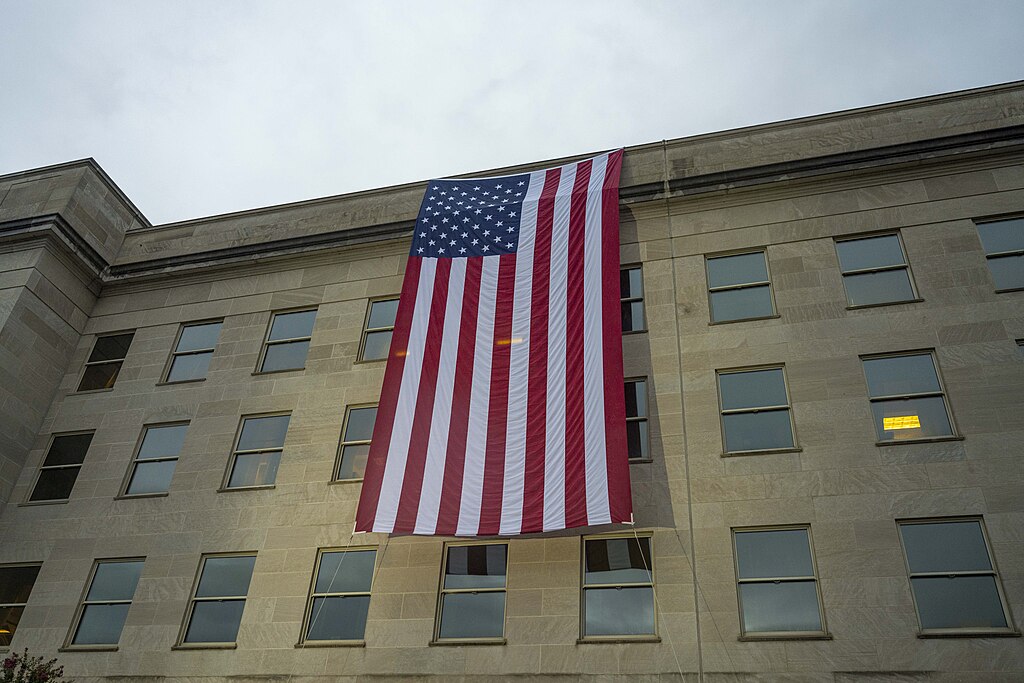
The Pentagon announced its commitment to reduce the U.S. military footprint in Iraq, signaling a major transition in Washington’s counterterrorism strategy. A U.S. defense official confirmed that Iraq’s government will increasingly lead efforts against Islamic State (ISIS) remnants within its borders, while American and coalition forces pivot to missions in neighboring Syria and Iraq’s Kurdistan region.
At the start of 2025, the U.S. maintained about 2,500 troops in Iraq and more than 900 in Syria, deployed under the coalition established in 2014 to combat ISIS. Under the new plan, troop levels in Iraq will drop to fewer than 2,000, with the majority stationed in Erbil, the Kurdish capital. Remaining forces in Baghdad will primarily engage in bilateral security cooperation rather than counter-ISIS operations.
Senior defense officials emphasized that ISIS no longer poses a significant threat from Iraqi territory, enabling this shift of responsibilities. They hailed the move as a “major achievement” and a step toward Iraq’s sovereignty in handling internal security challenges. The plan also alleviates concerns in Baghdad, where leaders have long feared that U.S. troops could be a magnet for attacks by Iran-aligned militias.
The U.S. previously agreed to transfer control of the Ain al-Asad airbase in Anbar province to Iraqi forces, though officials noted that process is still ongoing. Meanwhile, Washington remains cautious about Syria, where thousands of ISIS fighters remain in detention and the risk of a resurgence persists.
Complicating matters, Syria’s President Ahmed al-Sharaa—once a senior al Qaeda figure—rose to power after leading rebel forces that toppled Bashar al-Assad’s government in 2024. His rule has added uncertainty to regional stability. U.S. officials, alongside Middle Eastern and Western allies, continue to warn that ISIS could exploit Syria’s volatile political climate to stage a comeback.
This recalibration highlights Washington’s intent to maintain counterterrorism vigilance while supporting Iraq’s sovereignty and focusing resources where the threat is greatest.













