


 India–U.S. Interim Trade Pact Cuts Auto Tariffs but Leaves Tesla Out
  Antonio José Seguro Poised for Landslide Win in Portugal Presidential Runoff
  Trump Backs Nexstar–Tegna Merger Amid Shifting U.S. Media Landscape
  Trump Lifts 25% Tariff on Indian Goods in Strategic U.S.–India Trade and Energy Deal
  Pentagon Ends Military Education Programs With Harvard University
  U.S.-India Trade Framework Signals Major Shift in Tariffs, Energy, and Supply Chains
  Nicaragua Ends Visa-Free Entry for Cubans, Disrupting Key Migration Route to the U.S.
  Japan Election 2026: Sanae Takaichi Poised for Landslide Win Despite Record Snowfall
  Trump Says “Very Good Talks” Underway on Russia-Ukraine War as Peace Efforts Continue
  Federal Judge Restores Funding for Gateway Rail Tunnel Project
  Sydney Braces for Pro-Palestine Protests During Israeli President Isaac Herzog’s Visit
  Trump’s Inflation Claims Clash With Voters’ Cost-of-Living Reality
  Trump Allows Commercial Fishing in Protected New England Waters
  U.S. Lawmakers to Review Unredacted Jeffrey Epstein DOJ Files Starting Monday
  Bosnian Serb Presidential Rerun Confirms Victory for Dodik Ally Amid Allegations of Irregularities
  U.S. to Begin Paying UN Dues as Financial Crisis Spurs Push for Reforms
  Jack Lang Resigns as Head of Arab World Institute Amid Epstein Controversy


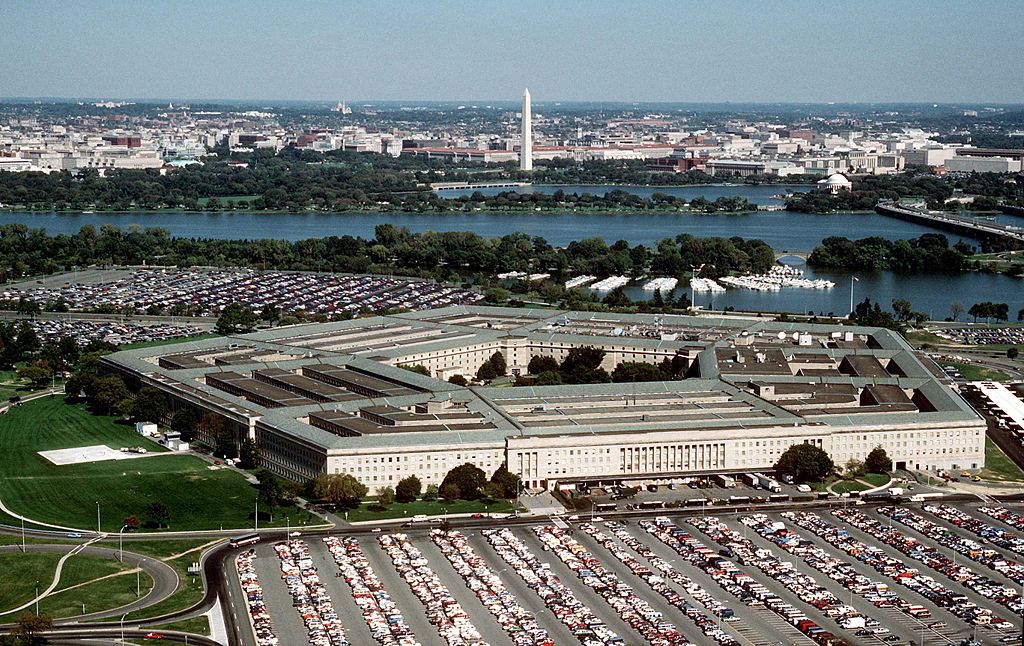
The United States is evaluating a range of diplomatic and security actions—including targeted sanctions and enhanced Pentagon involvement in counterterrorism—to pressure the Nigerian government to strengthen protections for Christian communities and uphold religious freedom. The proposal was outlined by Jonathan Pratt, a senior U.S. State Department official, during testimony before the House Foreign Affairs Committee.
Pratt stated that the Trump administration is developing a strategy designed to “incentivize and compel” Nigerian authorities to take stronger action against violence affecting Christian populations. The plan may involve coordinated efforts between the State Department, the Treasury Department, and the Department of War, alongside expanded intelligence sharing and closer examination of U.S. security assistance provided to Nigeria.
President Donald Trump has placed renewed scrutiny on Nigeria, reinstating the country on the U.S. “Countries of Particular Concern” list for alleged violations of religious freedom. Trump has also publicly warned of potential rapid military action if Nigeria fails to curb attacks on Christians and announced the suspension of all U.S. aid to the West African nation.
Nigerian officials reject claims that Christians are being specifically persecuted, arguing that the country’s security challenges are multifaceted and involve ethnic tensions, resource conflicts, and long-standing regional instability. They emphasize that Nigeria’s 200 ethnic groups—spanning Christianity, Islam, and traditional faiths—have historically coexisted, despite periodic unrest.
Violence by extremist groups like Boko Haram continues to destabilize northeastern Nigeria, causing tens of thousands of deaths over the past 15 years. Human rights observers note that while Christians have suffered atrocities, Boko Haram has killed even more Muslims throughout its insurgency.
In response to growing U.S. pressure, Nigerian President Bola Tinubu sent a high-level security delegation to Washington, including the national security adviser, defense chief, and police leadership. They are scheduled to meet with senior U.S. officials, including Defense Secretary Pete Hegseth, Joint Chiefs Chairman Gen. Dan Caine, and Deputy Secretary of State Christopher Landau.
U.S. officials reiterated that more action is needed from Nigeria. Jacob McGee of the State Department’s human rights bureau stressed that the recent designation has captured the Nigerian government’s attention but emphasized ongoing diplomatic engagement to reinforce Washington’s message: Nigeria must do more to safeguard religious communities and address rising violence.













