


 Norway Opens Corruption Probe Into Former PM and Nobel Committee Chair Thorbjoern Jagland Over Epstein Links
  U.S.-India Trade Framework Signals Major Shift in Tariffs, Energy, and Supply Chains
  Japan Election 2026: Sanae Takaichi Poised for Landslide Win Despite Record Snowfall
  India–U.S. Interim Trade Pact Cuts Auto Tariffs but Leaves Tesla Out
  Trump Endorses Japan’s Sanae Takaichi Ahead of Crucial Election Amid Market and China Tensions
  Federal Judge Restores Funding for Gateway Rail Tunnel Project
  Jack Lang Resigns as Head of Arab World Institute Amid Epstein Controversy
  Trump Signs Executive Order Threatening 25% Tariffs on Countries Trading With Iran
  Trump Says “Very Good Talks” Underway on Russia-Ukraine War as Peace Efforts Continue
  Trump Allows Commercial Fishing in Protected New England Waters
  US Pushes Ukraine-Russia Peace Talks Before Summer Amid Escalating Attacks
  New York Legalizes Medical Aid in Dying for Terminally Ill Patients
  U.S. Lawmakers to Review Unredacted Jeffrey Epstein DOJ Files Starting Monday
  Trump’s Inflation Claims Clash With Voters’ Cost-of-Living Reality
  Netanyahu to Meet Trump in Washington as Iran Nuclear Talks Intensify
  U.S. Announces Additional $6 Million in Humanitarian Aid to Cuba Amid Oil Sanctions and Fuel Shortages
  TrumpRx Website Launches to Offer Discounted Prescription Drugs for Cash-Paying Americans


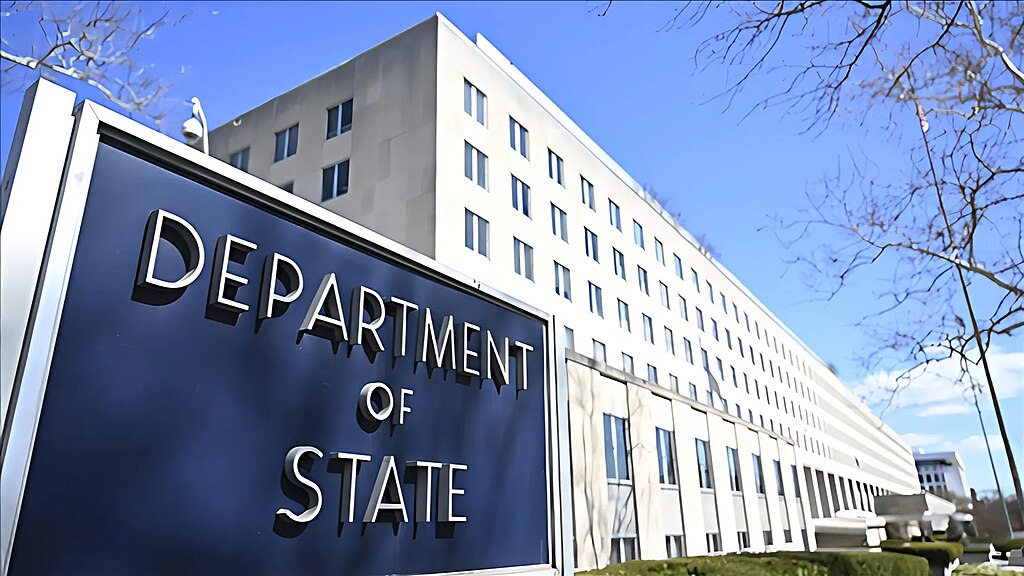
The United States has warned Cuba not to interfere with a long-delayed shipment of humanitarian aid, as tensions between Washington and Havana continue to escalate under President Donald Trump’s administration. A senior U.S. State Department official said Thursday that Cuba would be held accountable for the proper distribution of assistance and suggested further action could be taken if the aid is obstructed.
The warning comes as the U.S. government prepares to deliver $3 million in humanitarian aid to Cuba, funding that was pledged after Hurricane Melissa struck the island in October. The storm devastated eastern Cuba, cutting off communities, damaging homes, and flooding agricultural land. Recovery efforts have been slow, complicated by Cuba’s deepening economic crisis and shortages of fuel, food, and medicine.
Jeremy Lewin, a top U.S. official overseeing foreign assistance and humanitarian affairs, said the aid would be delivered through Cuba’s Catholic Church and closely monitored to prevent diversion. He emphasized that Washington expects transparency and accountability from Cuban authorities. Lewin also linked the issue to broader U.S. policy in the region, referencing President Trump’s vow to prevent oil and financial support from Venezuela from reaching Cuba. Analysts warn that such measures could severely impact Cuba’s fragile fuel supply, electrical grid, and overall economy.
Cuba has criticized the timing and intent of the U.S. aid, noting that it is arriving more than two months after the hurricane. Officials in Havana have described the move as opportunistic and politically motivated, though they confirmed the country would accept the aid and ensure it reaches affected communities. Vice Foreign Minister Carlos de Cossio condemned Lewin’s remarks as threatening and accused Washington of misunderstanding domestic support for the Cuban government.
The aid dispute unfolds against a backdrop of increasing U.S. sanctions. The United States has imposed dozens of new restrictions on Cuba in recent years, reinforcing a trade embargo that has been in place since the aftermath of Fidel Castro’s 1959 revolution. As humanitarian needs grow on the island, the delivery and oversight of this aid have become another flashpoint in the strained U.S.-Cuba relationship.













