


 Trump Warns Iran: No Deal Means Military Action as U.S. Forces Hold Position
  Israel Strikes Lebanon Amid Iran Ceasefire, UN Condemns Mass Casualties
  Haiti Election 2025: Voter Registration Delayed Amid Ongoing Security Crisis
  Mexico Appoints Roberto Velasco as New Foreign Minister Amid USMCA Trade Review
  U.S. Pushes for Crypto Regulation to Keep Digital Asset Growth at Home
  Cuba Seeks Dialogue With Trump Administration, Diaz-Canel Says
  Epstein Files: Key Figures Named in DOJ Document Release
  DOJ Launches Antitrust Investigation Into the NFL Over Broadcast Restrictions
  Iran Denies Negotiating Team Traveled to Pakistan for U.S. Talks Amid Ceasefire Uncertainty
  Trump Slams Iran Over Strait of Hormuz Oil Restrictions Amid Fragile Ceasefire
  Anthropic Fights Pentagon Blacklisting in Dual Federal Court Battles
  U.S.-Iran Ceasefire: Fragile Truce Raises Hopes for Strait of Hormuz Peace Deal
  Trump Warns Iran Over Strait of Hormuz Toll Fees Amid Fragile Ceasefire
  China vs. NASA: The New Moon Race and What's at Stake by 2030
  FCC Moves to Ban All Chinese Labs From Testing U.S. Electronics
  Trump Meets NATO Chief Rutte Amid Alliance Tensions Over Iran War
  U.S.-Iran Ceasefire Under Pressure Ahead of Pakistan Peace Talks


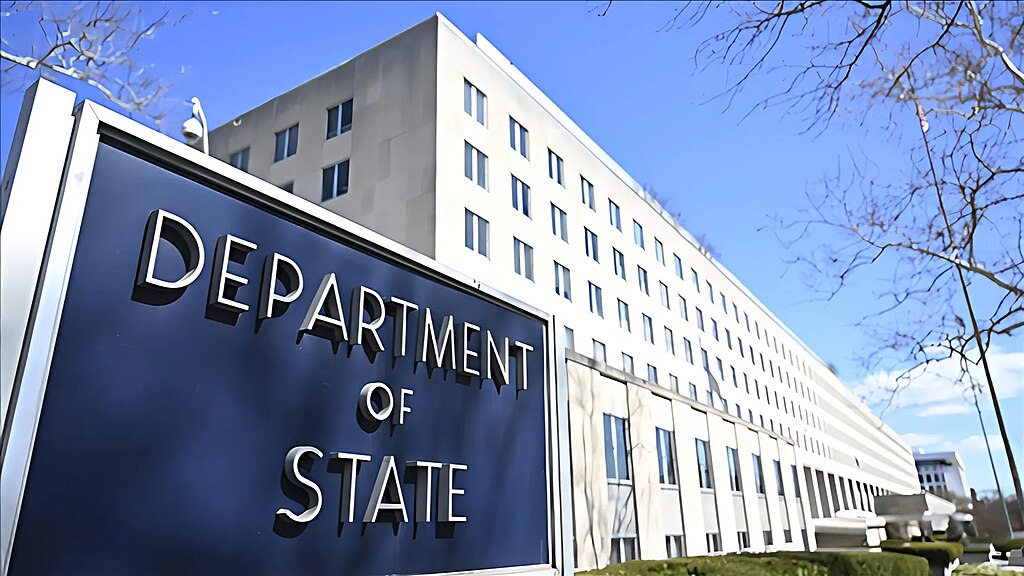
The United States government has urged its citizens to reconsider traveling to Nigeria while authorizing non-emergency embassy staff and their families to leave Abuja, pointing to deteriorating security conditions across Africa's most populous nation. The U.S. Embassy also suspended routine visa appointments, though emergency and scheduled services for American citizens remain available.
The State Department's updated travel advisory maintained Nigeria at Level 3 — Reconsider Travel — but expanded its "Do Not Travel" list to include Plateau, Jigawa, Kwara, Niger, and Taraba states. With this update, 23 of Nigeria's 36 states now fall under the highest-risk travel category, reflecting widespread concerns over kidnappings, armed banditry, and militant attacks, especially across the country's northern regions.
Washington specifically flagged threats from Islamist insurgent groups operating in the northeast, criminal gangs destabilizing the northwest, and persistent unrest in parts of southern and southeastern Nigeria, including the strategically vital oil-producing zones. The advisory follows a warning issued last month about a potential terrorist threat targeting U.S. facilities and affiliated schools within the country.
The Nigerian government pushed back on the assessment, stating that the alert reflects U.S. internal protocols rather than the broader reality on the ground. Officials acknowledged isolated security challenges but maintained that no general breakdown of law and order exists and that most of the country remains stable and safe.
Travel advisories of this nature carry significant weight beyond tourism, frequently influencing investment decisions, humanitarian operations, and airline route assessments. The U.S. currently maintains roughly 200 troops in Nigeria, along with several MQ-9 surveillance drones, supporting local military efforts against Islamist militants in the north. Nigeria has remained at Level 3 or Level 4 on U.S. travel risk assessments for most of the past decade.







