


 US Stock Futures Rise as US-Iran Ceasefire Hopes Boost Market Sentiment
  Mexico, U.S. Launch Sterile Fly Facility to Combat New World Screwworm Outbreak
  Oil Prices Rise as US-Iran Tensions Threaten Strait of Hormuz Oil Shipments
  China Manufacturing PMI Edges Higher in June as Exports and AI Investment Boost Growth
  Gold Prices Drop as Fed Rate Outlook and Iran Tensions Weigh on Market
  Trump Suspends Some Morocco Fertilizer Tariffs to Ease U.S. Supply Shortage
  Russian Attacks on Dnipro, Zaporizhzhia, and Kharkiv Kill 10 as Ukraine Vows Response
  Oil Prices Slip as U.S.-Iran Peace Talks and Strait of Hormuz Risks Keep Markets on Edge
  Maria Corina Machado’s Return to Venezuela Faces U.S. Hesitation After Deadly Earthquakes
  Economic pessimism has set in – but there are reasons for Australians to be hopeful
  Iran Skips U.S. Technical Talks Over Unmet MoU Conditions and Frozen Funds Dispute
  Trump Signs Memorandum Backing Americans’ Right to Repair Their Own Vehicles
  Serbia Protests Continue as Thousands Rally Despite Vucic’s Resignation Plan
  Central Banks Eye Gold, Reduce Dollar Exposure as AI Adoption Accelerates: OMFIF Survey
  World Bank Approves $1.1 Billion Emergency Funding for Bangladesh Amid Food and Energy Price Pressures
  Sheinbaum Says No One Is Above the Law After Abuse Video of Ex-Pemex Chief Emerges
  Trump Urges Gasoline Retailers to Cut Prices to $2.50 Per Gallon, Warns of Legal Action


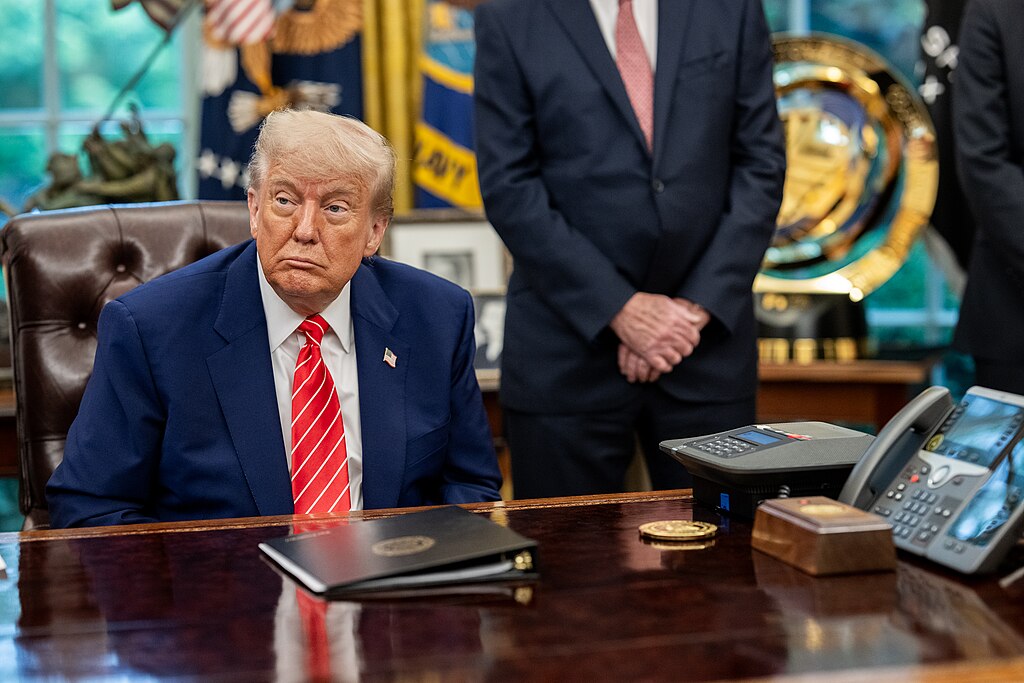
President Donald Trump publicly criticized Iran on Thursday over its handling of oil shipments through the Strait of Hormuz, escalating tensions just days after a tentative ceasefire agreement between Washington and Tehran. In a pointed social media post, Trump accused Iran of acting dishonorably by failing to allow adequate oil traffic through the critical waterway, stating the current situation was not in line with their agreement.
Earlier that same day, Trump also warned Iran against imposing transit tolls on vessels crossing Hormuz, following reports that Tehran was weighing such a move. According to sources familiar with the arrangement, Iran had agreed under a provisional two-week ceasefire to limit passage to no more than 15 vessels per day — a figure Trump appears to view as insufficient.
The fragile deal unraveled quickly. Within 48 hours of taking effect, Iran reportedly shut down access through the strait in response to a series of Israeli airstrikes on Lebanon. Ship traffic plummeted dramatically, with only seven vessels passing through in a 24-hour period compared to the typical daily average of roughly 140, according to Reuters. Iranian authorities also warned foreign ships to stay within its territorial waters or risk military action.
The situation carries significant global economic weight. The Strait of Hormuz serves as a chokepoint for approximately 20% of the world's oil supply, and Iran's blockade since the start of the conflict in late February has already triggered supply shortages and a sharp rise in global oil prices.
Trump confirmed that U.S. military forces will remain in the region until a more comprehensive and lasting agreement is secured. Meanwhile, American and Iranian diplomats are expected to meet in Pakistan for their first face-to-face negotiations since hostilities began. Separately, Israel signaled it is open to direct ceasefire discussions with Lebanon, adding another dimension to the broader regional conflict.







