


 U.S. Deploys Elite 82nd Airborne Troops to Middle East Amid Iran Tensions
  Trump Votes by Mail Despite Calling It "Cheating" as Democrat Wins Mar-a-Lago District
  Bachelet Pushes Forward With UN Secretary-General Bid Despite Chile's Withdrawal
  Trump Backs Down on Iran Strikes After Gulf Allies Sound the Alarm
  Denmark Election 2025: Social Democrats Suffer Historic Losses Amid Migration and Cost-of-Living Tensions
  Russia Strikes Kharkiv and Izmail as Cross-Border Drone War Escalates
  Israel Eyes Litani River as New Border Amid Escalating Lebanon Offensive
  Jay Bhattacharya to Continue Leading CDC as White House Searches for Permanent Director
  WTO Reform Talks Begin in Cameroon Amid Global Trade Tensions
  U.S.-Iran Peace Talks Gain Momentum Amid Ongoing Conflict
  Iran-Israel Missile Strikes Continue Amid Mixed Signals on U.S.-Iran Diplomacy
  Trump Administration Opens Two New Investigations Into Harvard Over Discrimination and Antisemitism
  Russia-Iran Military Alliance Deepens With Drone Shipments Amid Middle East Tensions
  Iran-U.S. Negotiations: Tehran Reviews American Peace Proposal Amid Ongoing Gulf Conflict
  Trump Administration Settles Lawsuit Barring Federal Agencies from Pressuring Social Media Censorship
  Taiwan Arms Deal on Track Despite U.S.-China Summit Uncertainty
  Trump's Overhaul of American History: Museums, Monuments, and Cultural Institutions


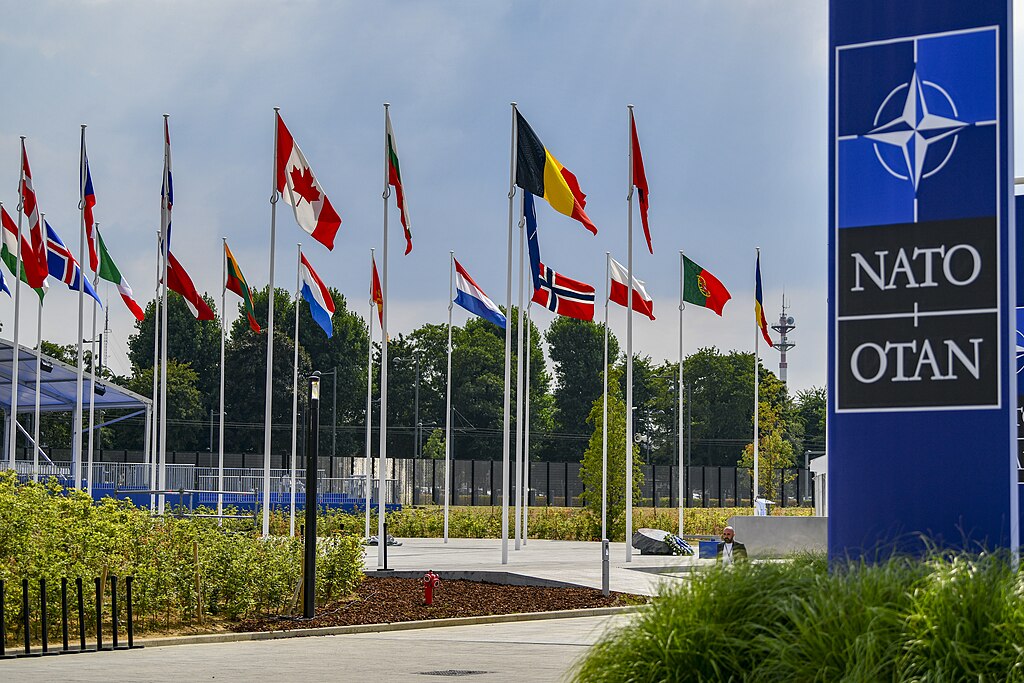
The United States is pushing European NATO members to assume most of the alliance’s conventional defense responsibilities by 2027, according to several sources familiar with recent high-level discussions in Washington. Pentagon officials reportedly told European diplomats that the U.S. expects Europe to expand its capabilities across intelligence, missile defense, troop deployments, and other non-nuclear assets. The accelerated timeline, however, has been met with skepticism among European officials who warn that the deadline is unrealistic.
During the closed-door meeting, U.S. officials signaled dissatisfaction with Europe's progress since Russia’s expanded invasion of Ukraine in 2022. They warned that if European nations fail to meet the proposed 2027 benchmark, the U.S. might reduce participation in some NATO coordination structures. Some members of Congress are said to be concerned about the implications of this message.
What remains unclear is how Washington intends to evaluate Europe’s progress. While European nations have raised defense spending and acknowledged the need to take on more security responsibilities, they argue that replacing key U.S. capabilities cannot happen quickly. Europe continues to face production delays in weapons manufacturing and long delivery times for high-demand American systems, complicating efforts to scale up military readiness.
The U.S. also contributes intelligence, surveillance, and reconnaissance capabilities that European allies cannot easily replicate—assets that have been essential in supporting Ukraine.
Although NATO officials agree that European allies are increasingly taking responsibility for their own defense, they did not comment directly on the 2027 deadline. The EU itself has set a goal of strengthening Europe’s ability to defend itself by 2030, a target many experts already consider ambitious.
The Trump administration has long pressed Europe to carry a larger share of NATO’s defense load. While Trump has sent mixed signals about the alliance, his administration continues to emphasize that the U.S. expects Europe to lead on its own security.













