


 Alibaba Raises $10.2 Billion to Expand AI Infrastructure
  US Dollar Hits Two-Week High After Hawkish Fed Speech
  Oil Prices Slip on Venezuela Supply, Iran Tensions
  25 Democratic-Led States Sue Trump Administration Over New Global Tariffs
  Gold Prices Slip Ahead of Fed Chair Warsh Speech
  Tokyo Inflation Rises in August as BOJ Rate Hike Bets Grow
  Bashar al-Assad Sentenced to Death by Syrian Court
  Prince Harry, Elton John Ordered to Pay £9.54 Million in Daily Mail Legal Costs
  California Seeks Paramount Divestitures in Warner Bros. Merger
  Nvidia Pauses AI Cloud Financing Deals Amid Antitrust Concerns
  Trump Buys SpaceX Shares After Record IPO
  Meta Agrees to $18 Billion Settlement, Tightens Teen Social Media Rules
  Asian Currencies Steady Ahead of Warsh Speech
  Wall Street Slips as Warsh’s Hawkish Fed Speech Rattles Markets
  Asian Stocks Mixed as KOSPI Falls Ahead of Fed Speech
  U.S. Disrupts China-Linked Hacking Campaign Targeting Government Agencies


 Add as a preferred source on Google
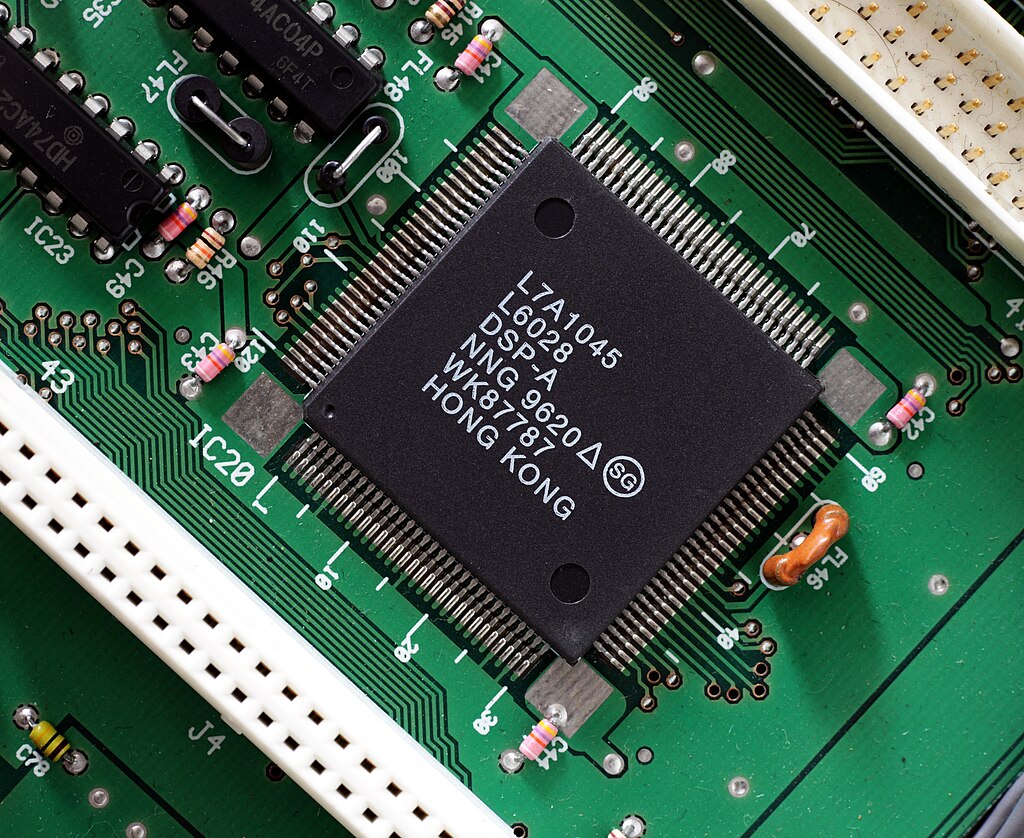
The Biden administration has added over 25 entities, including Chinese AI firm Zhipu AI and chipmaker Sophgo, to the U.S. restricted trade list. These companies, along with two Singapore-based firms, now face strict export licensing rules, generally denied, as part of efforts to curb China's military modernization and AI advancements.
Zhipu AI, backed by Alibaba and Tencent, was targeted for advancing China's military through AI research. Sophgo was blacklisted after a TSMC-produced chip it ordered was found in Huawei’s AI system. Huawei, on the Entity List since 2019, remains central to China’s AI chip ambitions. Sophgo denied any ties to Huawei.
The U.S. Commerce Department also tightened semiconductor export rules, targeting chips at 14 or 16 nanometer nodes or below used in AI. These controls affect chipmakers like TSMC and Samsung, requiring due diligence to prevent diversion to restricted entities. Memory chips like DRAM, essential for AI processors, also face stricter export controls, impacting companies like China's Changxin Memory Technologies (CXMT).
The latest measures reflect heightened U.S. efforts to limit China's access to advanced technology. The government cited risks to national security and potential military applications as reasons for the restrictions. Many blacklisted entities, including Sophgo units, were flagged for aiding China’s weapons development and high-tech surveillance.
The new rules also impose tighter oversight on chip factories and packaging companies. Commerce official Alan Estevez emphasized holding foundries accountable to prevent chips from reaching banned entities.
The U.S. continues to expand export restrictions on advanced AI and chip technology to address national security concerns and global tech competition.







