


 Asian Currencies Mixed as Yen Weakens, RBA Hike Looms
  Asian Stocks Rise as Bond Yields Ease Ahead of U.S. Inflation Data
  Japan Factory Output Unexpectedly Falls 1.7% in August
  Japan Warns Markets Over Yen Weakness
  Nvidia China Chip Sales Report Sends Chinese Semiconductor Stocks Lower
  XRP Price Targets $1.70 as Bullish Momentum Builds
  BOJ Signals Faster Rate Hikes as Inflation Risks Grow
  Fed’s Williams Signals One More Rate Hike Before Year-End
  U.S. Stock Futures Steady as AI, Rate Concerns Weigh
  Australia Inflation Accelerates to 4% After RBA Rate Hike
  US Alcohol Ban Exposes Canada’s Internal Trade Barriers
  Oil Prices Jump Nearly 3% as Iran Holds Firm on Hormuz Conditions
  Asian Stocks Fall as Bond Yields and Oil Prices Surge
  Gold Rebounds as Oil Falls and Treasury Rout Eases
  China Cuts Tariffs on U.S. Farm Goods but Excludes Soybeans
  Gold Plunges 4% as Treasury Yields Surge and Fed Rate Hike Bets Rise


 Add as a preferred source on Google
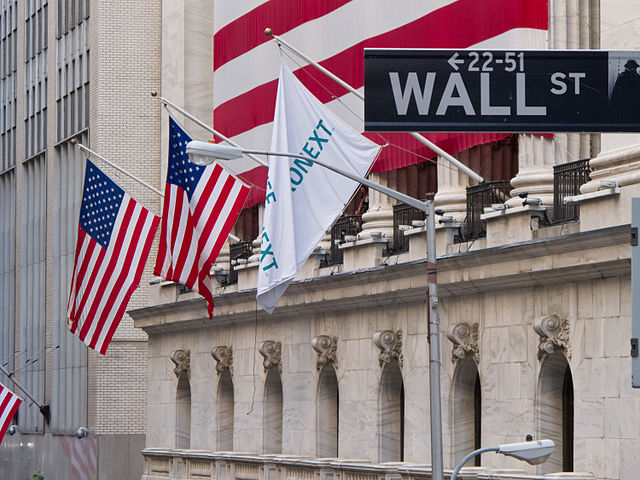
U.S. stocks suffered a sharp decline on Friday, ending Wall Street’s impressive nine-week winning streak as technology and semiconductor shares experienced heavy selling pressure. The market downturn came after a stronger-than-expected May jobs report raised concerns that the Federal Reserve could maintain higher interest rates for longer, reducing hopes for near-term monetary easing.
The Nasdaq Composite recorded its largest one-day percentage drop since April 2025, while the S&P 500 and Dow Jones Industrial Average also posted significant losses. Technology stocks, which had driven much of the market’s recent gains, were hit hardest as investors took profits following months of strong performance.
The Philadelphia Semiconductor Index plunged more than 11%, marking its steepest daily decline since March 2020 and wiping out over $1 trillion in market value. Major chipmakers including Nvidia, Intel, AMD, Micron Technology, and Broadcom suffered substantial losses as traders reassessed valuations in response to changing interest-rate expectations.
According to the U.S. Labor Department, the economy added 172,000 jobs in May, far exceeding analyst forecasts. While the strong employment data highlighted the resilience of the U.S. economy, it also reduced expectations for Federal Reserve rate cuts. Market participants are increasingly considering the possibility of additional policy tightening later in the year.
Investor sentiment was further pressured by ongoing geopolitical tensions in the Middle East. Concerns surrounding Iran, Israel, and shipping activity through the Strait of Hormuz have increased fears that higher energy prices could contribute to renewed inflationary pressures worldwide.
The S&P 500 fell 2.64% to 7,383.74, while the Dow Jones Industrial Average dropped 695 points, or 1.35%, to 50,866.78. The Nasdaq Composite declined 4.18% to 25,709.43. Market volatility surged, with investors rotating away from high-growth technology stocks and into more defensive sectors.
Despite the sharp correction, many analysts remain optimistic about the long-term outlook for artificial intelligence, semiconductor companies, and the broader technology sector. Market experts suggest the selloff reflects profit-taking and positioning adjustments rather than a fundamental shift in the ongoing tech bull market.







