


 US Stock Market Tumbles as Tech and Semiconductor Stocks Lead Massive Selloff
  Gold Prices Rebound as Traders Weigh Middle East Tensions and Key U.S. Jobs Data
  Australia Trade Surplus Jumps in April as Iron Ore and Coal Exports Surge
  Asian Stocks Rally as AI Optimism and Tech Surge Lift Regional Markets in 2026
  UK House Prices Slip for Third Straight Month as Borrowing Costs and Iran Conflict Weigh on Demand
  US Dollar Holds Near Two-Month High as Fed Rate Outlook and Middle East Tensions Boost Demand
  Australia Passes Major Tax Reform Bill to Boost Housing Affordability and Cut Taxes for Workers
  Oil Prices Ease After Rally as Traders Weigh Middle East Risks and U.S. Supply Tightening
  Oil Prices Climb as Middle East Tensions Escalate and Ceasefire Prospects Fade
  US-Iran Gulf Clash Raises Oil Market and Defense Stock Concerns
  US Stock Futures Slide as Broadcom Sparks Tech Selloff Ahead of Key Jobs Report
  Gulf Tensions Escalate as Iranian Missile Attacks Fail and Nuclear Talks Remain Stalled
  Fitch Cuts Global Growth Outlook for 2026 as Oil Shock From U.S.-Iran Conflict Weighs on Economy
  Asian Currencies Stabilize as U.S. Dollar Remains Strong Ahead of Key Jobs Data
  RBI Holds Interest Rates at 5.25%, Cuts India Growth Forecast Amid Rising Global Risks
  BOJ June Rate Hike Likely as Inflation Risks Rise Amid Middle East Tensions
  South Korea Weighs AI Profit Sharing as Samsung and SK Hynix Earnings Surge


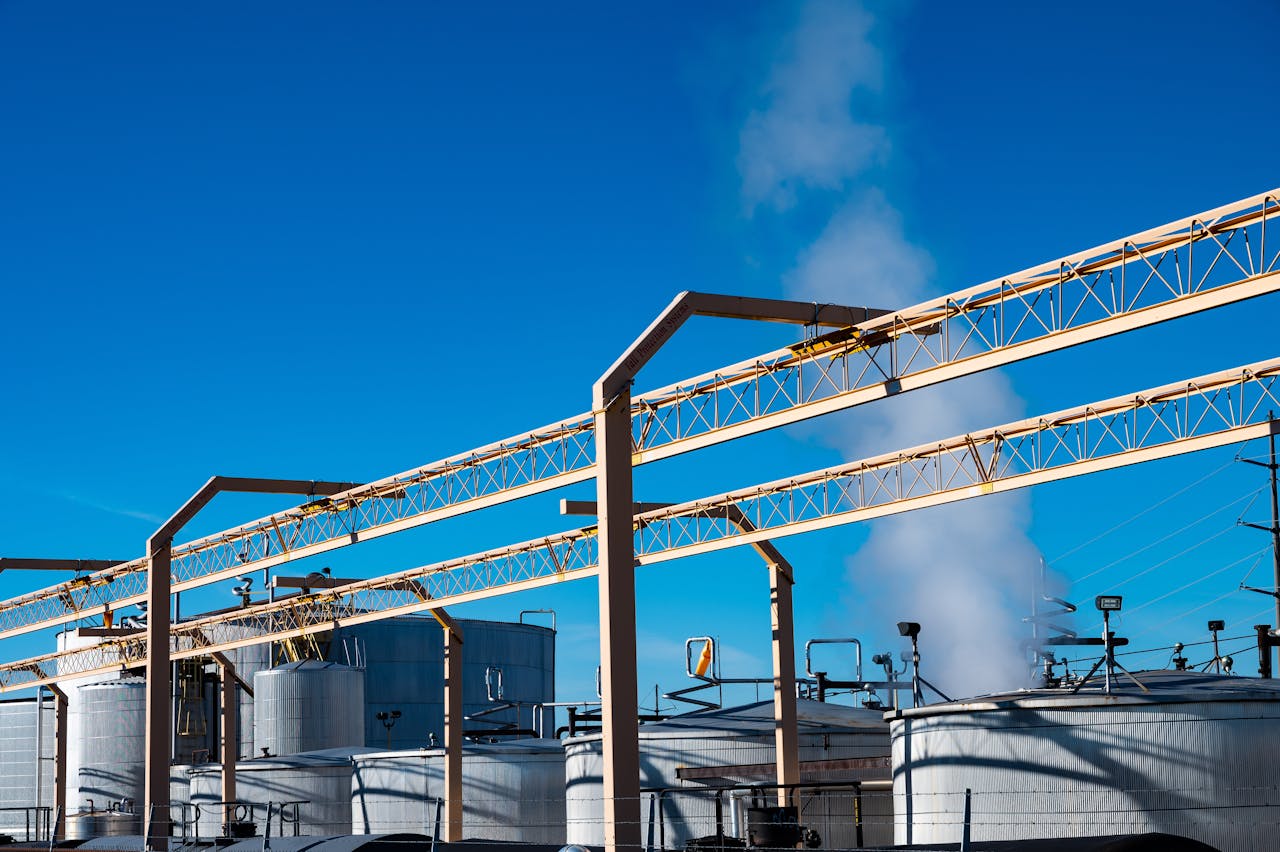
Global oil prices moved lower on Friday after operations resumed at Oman’s key Mina al Fahal oil terminal following reports of a drone-related incident. Despite the daily decline, both Brent crude and West Texas Intermediate (WTI) crude posted weekly gains, ending a two-week losing streak as ongoing Middle East tensions continued to support energy markets.
Brent crude futures for August delivery fell 2.3% to settle at $92.89 per barrel, while U.S. WTI crude futures for July delivery dropped 3% to close at $90.25 per barrel. Investors remain focused on geopolitical developments that could further disrupt global oil supply.
Market concerns eased after Oman confirmed that activities at the Mina al Fahal export terminal had returned to normal. Reports indicated that an explosion occurred near two offshore loading points, allegedly linked to a drone attack. Several oil tankers were reportedly anchored near the port during the disruption, highlighting the vulnerability of critical energy infrastructure in the region.
However, hopes for a broader Middle East peace agreement weakened after Hezbollah rejected a proposed ceasefire between Israel and Lebanon. The development complicated ongoing diplomatic efforts involving Iran, a key ally of Hezbollah. Analysts view the setback as a sign that regional instability may continue, keeping upward pressure on crude oil prices.
The conflict has expanded beyond Iran and Israel, with military activity reported across several parts of the Gulf region. Continued disruptions around the Strait of Hormuz, one of the world's most important oil shipping routes, remain a major concern for global energy markets and inflation.
For the week, Brent crude gained 0.9%, while WTI advanced 3.2%. Meanwhile, a Federal Reserve Bank of Boston study suggested the U.S. economy is less vulnerable to oil shocks than in previous decades. The report found that while rising oil prices still contribute to inflation, their impact on employment is now significantly smaller.
Strong U.S. nonfarm payroll data also reinforced expectations that the Federal Reserve may keep interest rates elevated for longer, as policymakers continue to monitor inflation risks linked to higher energy costs.







