


 South Korea Q2 GDP Beats Forecasts as AI Chip Exports Drive Growth
  Trump Administration Imposes New Forced Labor Tariffs on 60 Trading Partners
  European Stocks Flat as Oil Tops $100, Trump Tariffs Fuel Inflation Fears
  Trump Administration Monitors OpenAI Incident as Lawmakers Push AI Kill Switch Bill
  Brent Oil Holds Above $100 as Red Sea Attacks, Iran Conflict Threaten Global Supply
  Japan Manufacturing Growth Holds Strong in July Despite Middle East Uncertainty
  Japan’s Nikkei Slides Over 2% as Alphabet Selloff Sparks AI Spending Concerns
  Trump Administration Bars U.S. Travelers From Congo Flights Amid Ebola Outbreak
  US-Mexico USMCA Talks Advance as Auto Rules Remain Major Sticking Point
  Amish Shah Wins Arizona Democratic Primary in Key U.S. House Race
  US-Backed Pediatric HIV Treatment Drops After Foreign Aid Changes, Study Finds
  Gold Price Holds Weekly Gain as Middle East Tensions and Fed Rate Outlook Drive Market
  HHS Watchdog Reports $5.56 Billion in Healthcare Fraud Recoveries as Enforcement Actions Decline
  Canada Vows Trade Fight as Trump Imposes 50% Tariffs
  Trump Threatens Iran With 'Major Military Punishment' as Red Sea Attacks Push Oil Above $100
  Iran Rejects U.S.-Backed Ceasefire as Trump Escalates Military Threats, Oil Tops $100
  Russian Bomb Strikes Hit Zaporizhzhia, Sloviansk, Injuring Dozens in Eastern Ukraine


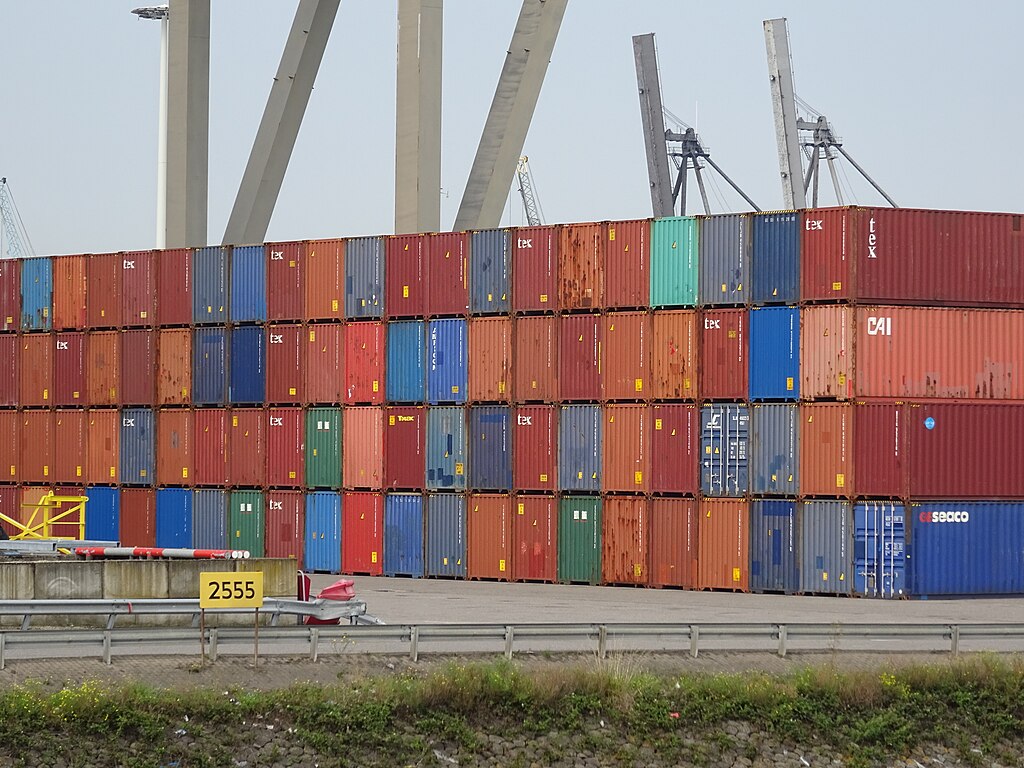
Governments around the world reacted sharply after the Trump administration imposed new tariffs of 10% and 12.5% on imports from 60 trading partners, including the European Union and China, citing concerns over inadequate enforcement of forced labor restrictions.
The new measures took effect after a temporary 10% global tariff expired, prompting criticism from allies and trading partners who argued the decision lacks justification and could disrupt global trade.
European Union foreign policy chief Kaja Kallas questioned Washington’s rationale, saying the bloc maintains strong labor protections that exceed those in the United States. She also expressed disappointment that the move appeared to disregard a previous trade understanding between the EU and the U.S.
Australian Trade Minister Don Farrell described the tariffs as "completely unjustified" and pledged to continue pressing U.S. officials to eliminate duties on Australian exports.
Mexico’s Economy Minister Marcelo Ebrard said the latest announcement would not alter Mexico’s effective tariff rate, explaining that the new measures simply replace existing ones and leave the country’s overall trade treatment unchanged.
Bank of France Governor Emmanuel Moulin said Europe should see limited direct impact because of the existing Turnberry agreement with the United States. However, he warned that the added uncertainty surrounding global trade would weigh on economic growth.
Brazil strongly condemned the tariffs, calling them arbitrary and lacking legal justification. The government accused the U.S. of using human rights concerns to support a protectionist trade agenda and announced plans to invoke its Reciprocity Law while pursuing a dispute through the World Trade Organization.
Malaysia adopted a more cautious approach. Prime Minister Anwar Ibrahim welcomed the relatively lower 10% tariff on Malaysian goods compared with other countries but said negotiations with Washington would continue to protect national interests. He added that Malaysia would raise the issue again if discussions fail to produce a satisfactory outcome.
The Philippines also pledged continued engagement with the United States, emphasizing its commitment to combating forced labor through policies aligned with International Labor Organization conventions. Trade Secretary Cristina Roque said the country recently introduced a new interagency mechanism to strengthen enforcement while stressing that Philippine exports, particularly electronics, semiconductors, and agricultural products, remain important to U.S. supply chain stability.







