


 Denmark Election 2026: Frederiksen Eyes Third Term Amid Trump-Greenland Tensions
  Pakistan's Diplomatic Rise: Mediating U.S.-Iran Peace Talks
  Iran-U.S. Negotiations: Tehran Reviews American Peace Proposal Amid Ongoing Gulf Conflict
  Trump Votes by Mail Despite Calling It "Cheating" as Democrat Wins Mar-a-Lago District
  U.S.-Iran Peace Talks Gain Momentum Amid Ongoing Conflict
  Iran-Israel Missile Strikes Continue Amid Mixed Signals on U.S.-Iran Diplomacy
  Russia-Iran Military Alliance Deepens With Drone Shipments Amid Middle East Tensions
  Russia Strikes Kharkiv and Izmail as Cross-Border Drone War Escalates
  Trump Backs Down on Iran Strikes After Gulf Allies Sound the Alarm
  Maduro Faces Rare Narcoterrorism Charges in U.S. Court
  Trump Seeks Quick End to U.S.-Iran Conflict Amid Ongoing Middle East Tensions
  Israel Eyes Litani River as New Border Amid Escalating Lebanon Offensive
  Trump Administration Opens Two New Investigations Into Harvard Over Discrimination and Antisemitism
  FEMA Reinstates $1 Billion Disaster Prevention Grant Program After Court Order
  Taiwan Arms Deal on Track Despite U.S.-China Summit Uncertainty
  Denmark Election 2025: Social Democrats Suffer Historic Losses Amid Migration and Cost-of-Living Tensions
  Trump to Visit China in May for High-Stakes Xi Summit Amid Iran War


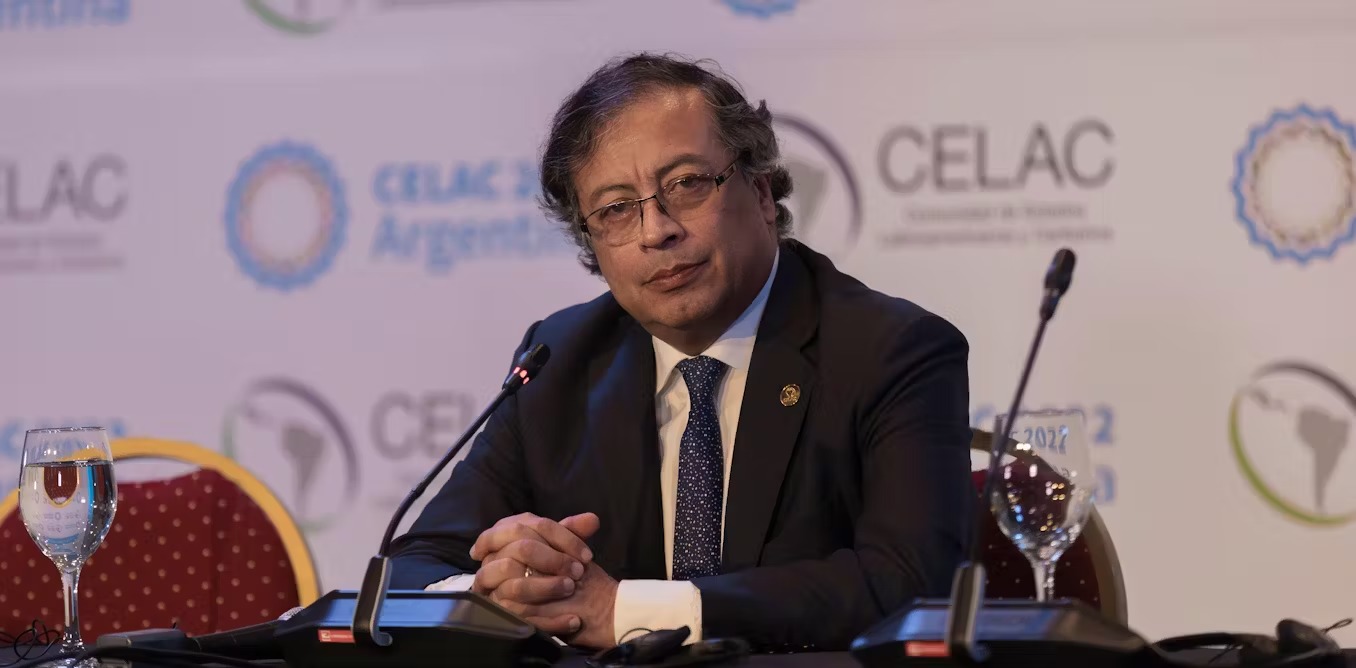
U.S. Secretary of State Marco Rubio emphasized on Saturday that Washington’s recent sanctions targeting Colombian President Gustavo Petro are not intended to harm Colombia’s citizens or its economy. Speaking to reporters while traveling from Israel to Qatar, Rubio clarified that the United States maintains a “strong and enduring” partnership with the Colombian people and key national institutions, particularly the country’s security forces.
The remarks followed Washington’s decision on Friday to blacklist President Petro and his family, accusing him of emboldening “narco terrorists.” The move has stirred diplomatic tensions between Bogotá and Washington. Rubio explained that while the Trump administration viewed Petro as increasingly hostile, the actions were specifically directed at his leadership—not the Colombian nation as a whole.
“This is not a U.S.-versus-Colombia thing,” Rubio stated. He stressed that the administration deliberately avoided trade or tariff sanctions to prevent economic repercussions for Colombian citizens. “We separate that from the people of Colombia. That’s why you don’t see tariff action. That’s why we don’t want to harm the Colombian economy,” he added.
The U.S. military has also heightened its presence in the southern Caribbean, carrying out strikes on vessels in international waters that it claims are involved in drug trafficking. President Donald Trump intensified the rhetoric earlier this week by labeling Petro an “illegal drug leader” after Petro accused Washington of “murder” in relation to those military operations.
Despite escalating diplomatic friction, Rubio underscored that the U.S. remains committed to Colombia’s long-term stability and cooperation, reiterating that the sanctions were meant to hold a foreign leader accountable rather than penalize an allied nation.













