


 DOJ Antitrust Chief Rejects Political Fast-Track for Paramount-Skydance Deal
  U.S.-Iran War Escalates: Marines Deploy, Strait of Hormuz Closure Drives Global Oil Crisis
  DOJ Backs Jeanine Pirro-Led Investigation Into Federal Reserve Chair Jerome Powell
  Brazil's Haddad Leaves Finance Ministry to Run for São Paulo Governor
  Trump Administration Quietly Approves $7 Billion in Unannounced Weapons Sales to UAE
  Ukraine-Russia Peace Talks Resume After Brief Pause Linked to Iran Conflict
  Israel Defies Trump's Warning, Launches New Strikes on Iran Amid Growing Global Energy Crisis
  Taiwan Strengthens Deterrence Amid Ongoing Chinese Military Threat
  Belarus Frees 250 Political Prisoners in Landmark U.S. Sanctions Deal
  Trump White House Unveils National AI Policy Framework for Congress
  S&P 500 Rebounds After Netanyahu's Statements on Iran's Military Setbacks
  Trump Signals End of U.S. Military Campaign Against Iran as Markets Rally
  Venezuela Appoints New Defense Minister as Rodriguez Reshapes Military Leadership
  Trump's Shifting War Goals Against Iran: A Timeline of Contradictions
  Trump Compares Iran Strikes to Pearl Harbor in Awkward Exchange with Japanese PM
  Russia Calls for Ceasefire in Gulf Conflict, Offers Diplomatic Mediation
  Federal Judge Blocks Pentagon's Restrictive Press Access Policy


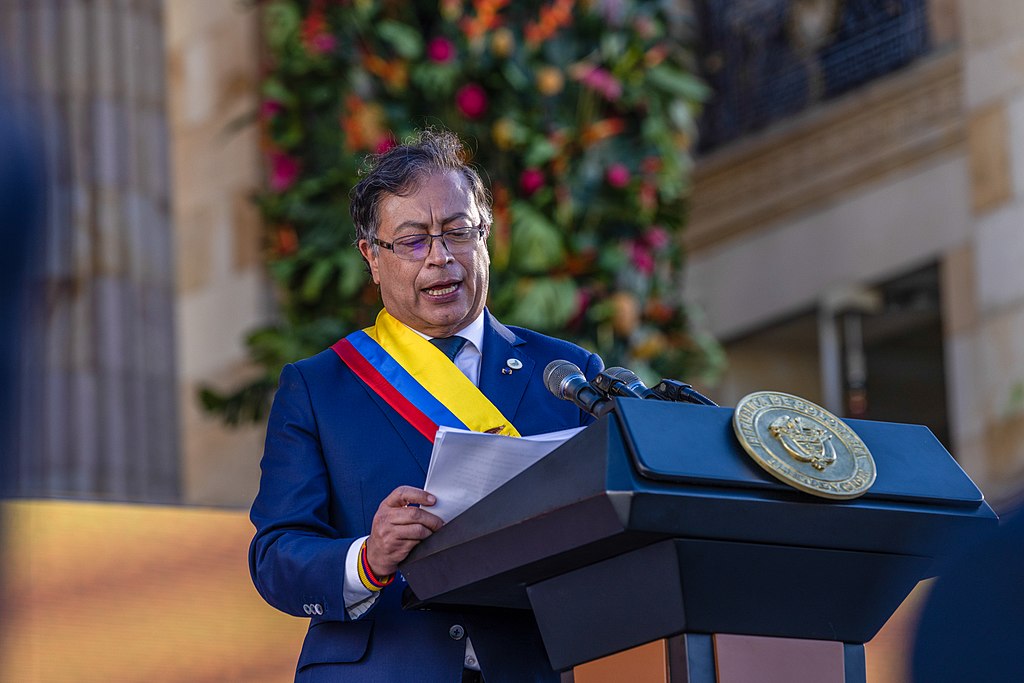
Colombian President Gustavo Petro has emerged as a peripheral figure in two separate U.S. federal criminal investigations tied to narco-terrorism and drug trafficking, according to a source familiar with the matter who spoke to Reuters. The inquiries are being handled by federal prosecutors in Manhattan and Brooklyn, New York, though Petro is not the central target of either probe.
"There are not ongoing investigations that are squarely focused on him," the source confirmed. The New York Times, which first broke the story, reported that agents from the Drug Enforcement Administration (DEA) and Homeland Security Investigations (HSI) are involved alongside prosecutors specializing in international narcotics cases.
Among the areas under review are Petro's alleged meetings with known drug traffickers and whether his presidential campaign may have accepted donations from criminal organizations. Petro swiftly denied the claims on social media platform X, stating he had never communicated with any drug trafficker and had explicitly directed campaign managers to refuse any such funds. He further emphasized that a thorough investigation into his campaign finances found no evidence of illicit contributions.
Both probes remain in early stages, and it is unclear whether criminal charges will follow. A spokesperson for the Manhattan U.S. Attorney's office declined to comment, while the Brooklyn office had not responded at the time of reporting. Notably, there is no indication the White House played a role in launching the investigations.
The developments come amid heightened tensions between Washington and Bogotá. President Donald Trump previously accused Petro of enabling cocaine trafficking from South America into the United States, calling him a "sick man." Petro countered by pointing to decades of bilateral counter-narcotics cooperation and argued that U.S. drug demand remains the root driver of the trade. The two leaders appeared to ease tensions following a February White House meeting, where Trump praised Petro and both sides signaled a commitment to targeting major drug cartel leaders.













