


 Asian Currencies Stay Muted as Dollar Holds Firm Amid Iran Uncertainty
  U.S. Oil Prices Slide as Middle East Ceasefire Talks Spark Market Optimism
  Asian Stocks Gain Amid Iran Conflict Uncertainty
  Iran-Israel Missile Strikes Continue Amid Mixed Signals on U.S.-Iran Diplomacy
  Trump Votes by Mail Despite Calling It "Cheating" as Democrat Wins Mar-a-Lago District
  FEMA Reinstates $1 Billion Disaster Prevention Grant Program After Court Order
  Iran-U.S. Negotiations: Tehran Reviews American Peace Proposal Amid Ongoing Gulf Conflict
  Kristi Noem Ends Western Hemisphere Tour in Diminished Role After DHS Firing
  Cuba Receives Humanitarian Aid Convoy Amid U.S. Sanctions
  Trump Backs Down on Iran Strikes After Gulf Allies Sound the Alarm
  Australia's Inflation Eases in February but Core Pressures Persist
  Bachelet Pushes Forward With UN Secretary-General Bid Despite Chile's Withdrawal
  Trump Tariffs Show Minimal Economic Impact but Boost Federal Revenue, Study Finds
  G7 Foreign Ministers Gather in France Amid Global Tensions and U.S. Policy Uncertainty
  WTO Reform Talks Begin in Cameroon Amid Global Trade Tensions


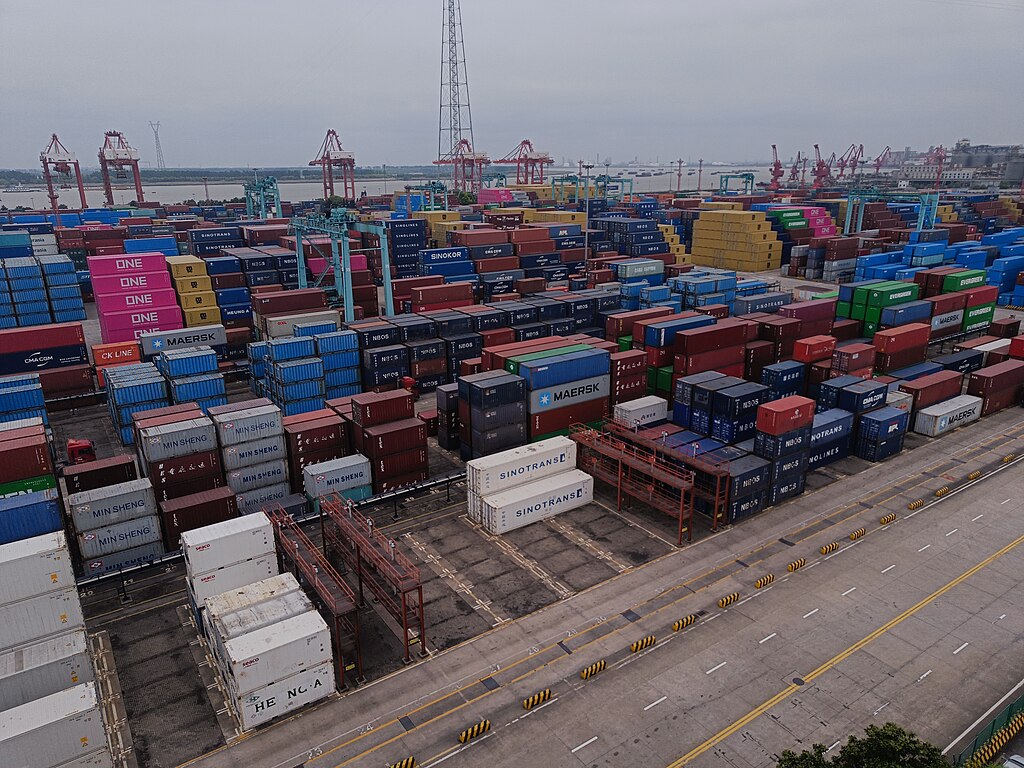
The U.S. is preparing to impose port fees on ships tied to Chinese-built or Chinese-flagged vessels, aiming to revive domestic shipbuilding and counter China’s dominance in global shipping. A draft executive order under President Trump’s administration seeks to charge fees on any ship docking at U.S. ports if its fleet includes Chinese-built or flagged vessels.
China now produces over 50% of the world’s merchant cargo capacity, a dramatic rise from 5% in 1999, largely at the expense of Japan and South Korea. Meanwhile, U.S. shipbuilding, once thriving in the 1970s, has significantly declined. The proposed measure builds on a U.S. Trade Representative recommendation to levy fees of up to $1.5 million on Chinese-built ships entering U.S. ports. However, the new draft omits a prior threshold requiring 25% of a fleet to be Chinese-built before triggering fees and does not specify exact charges.
This policy could impact major global shipping firms, including Switzerland’s MSC, Denmark’s Maersk, Germany’s Hapag-Lloyd, and Taiwan’s Evergreen Marine. U.S. officials will also urge allies to adopt similar measures or face potential retaliation. Additionally, tariffs will be placed on Chinese cargo-handling equipment.
The move, framed as a national security and economic strategy, follows growing bipartisan concerns over China’s expanding maritime influence. French shipping giant CMA CGM, the world’s third-largest container line, recently announced plans to expand its U.S.-flagged American President Lines fleet from 10 to 30 ships, anticipating the potential impact of these fees.
While U.S. and Chinese officials have yet to comment, the shipping industry braces for disruptions as Washington takes steps to counter Beijing’s grip on the global supply chain.













