


 Diesel Price Surge Threatens Global Economy Amid Middle East Conflict
  Asian Stock Markets Rise as Oil Prices Pull Back; U.S. CPI in Focus
  Oil Prices Surge Toward $100/Barrel After Tanker Attacks in Iraqi Waters
  German Exports Drop 2.3% in January, Exceeding Forecast Decline
  Gold Prices Slip as U.S.-Israel-Iran War Fuels Dollar and Oil Demand
  China's Trade Surplus Surges Past Forecasts in Early 2026
  Venezuela Names Paula Henao as New Oil Minister Amid U.S.-Led Industry Overhaul
  IEA Releases Record 400 Million Barrels of Oil Amid U.S.-Iran War
  Dollar Stabilizes Amid Iran War Uncertainty as Oil Prices Remain Elevated
  Chinese AI Stocks Surge as Tencent, MiniMax, and Zhipu Launch Agentic AI Programs
  Asia FX Steady as Iran War Signals and U.S. Inflation Data Weigh on Sentiment
  Trump Administration Launches Trade Investigations Against 16 Countries Over Industrial Overcapacity
  Dollar Strengthens Amid Oil Price Surge and Inflation Fears
  U.S. Markets Slip Amid Iran Conflict Uncertainty as Oil Prices Retreat
  IEA Plans Record Emergency Oil Release Amid Iran Strait of Hormuz Crisis
  Nations will release an extra 400 million barrels of oil to the market. All we need to do now is not panic at the pump
  Iran-U.S. Oil Tensions Escalate as Revolutionary Guards Threaten Strait of Hormuz Blockade


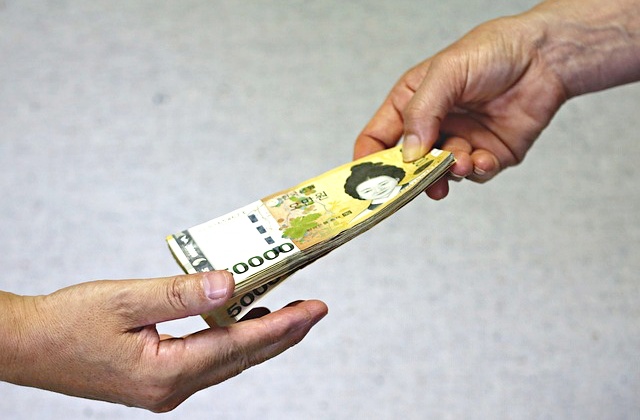
South Korea’s efforts to stabilise its currency are facing a growing domestic challenge as retail investors continue to pour record amounts of money into U.S. stocks, driving strong demand for dollars while the won trades near 17-year lows. The persistent strength of the U.S. dollar against the Korean won has complicated Seoul’s broader economic strategy, including plans to invest $350 billion in U.S. industries under a trade agreement with Washington.
At the heart of the issue is the surge in overseas investment by Korean retail investors, often referred to as “ants.” Despite government incentives designed to keep capital at home, many individuals are doubling down on American equities. Late last year, authorities introduced tax breaks to encourage investors to sell overseas stocks and reinvest domestically. Instead, many investors used the opportunity to increase their dollar purchases. One retail investor, Kang Hye-young, bought around 8 million won worth of dollars to invest in U.S. technology stocks such as Apple and Alphabet, reflecting a widespread belief that Wall Street still offers superior long-term returns.
This strong preference for U.S. equities persists even as South Korea’s Kospi index nearly doubled over the past year, making it one of the world’s best-performing stock markets. Analysts note that rallies in local stocks often accelerate capital outflows, as investors use domestic gains to fund further overseas investments. As a result, Korean retail investors held nearly $171 billion in overseas stocks by late January, while net purchases of U.S. shares reached $5 billion in a single month.
The impact on the foreign exchange market has been significant. The won has weakened about 0.9% so far this year, and dollar deposits held by local residents have climbed to record levels. Officials acknowledge that domestic demand for dollars, rather than foreign speculation, is the primary driver of the currency’s weakness. While some policymakers have discussed capital controls, such measures conflict with South Korea’s goal of internationalising the won and achieving developed-market status.
With investor confidence in domestic stocks still fragile, authorities are now reassessing their currency stabilisation tools, highlighting the limits of policy in the face of strong retail investor behaviour.













