


 TrumpRx.gov Highlights GLP-1 Drug Discounts but Offers Limited Savings for Most Americans
  South Korea Assures U.S. on Trade Deal Commitments Amid Tariff Concerns
  Netanyahu to Meet Trump in Washington as Iran Nuclear Talks Intensify
  New York Legalizes Medical Aid in Dying for Terminally Ill Patients
  Norway Opens Corruption Probe Into Former PM and Nobel Committee Chair Thorbjoern Jagland Over Epstein Links
  Japan Election 2026: Sanae Takaichi Poised for Landslide Win Despite Record Snowfall
  Nighttime Shelling Causes Serious Damage in Russia’s Belgorod Region Near Ukraine Border
  India–U.S. Interim Trade Pact Cuts Auto Tariffs but Leaves Tesla Out
  U.S.-India Trade Framework Signals Major Shift in Tariffs, Energy, and Supply Chains
  U.S. to Begin Paying UN Dues as Financial Crisis Spurs Push for Reforms
  Trump Allegedly Sought Airport, Penn Station Renaming in Exchange for Hudson River Tunnel Funding
  Jack Lang Resigns as Head of Arab World Institute Amid Epstein Controversy
  Missouri Judge Dismisses Lawsuit Challenging Starbucks’ Diversity and Inclusion Policies
  Iran–U.S. Nuclear Talks in Oman Face Major Hurdles Amid Rising Regional Tensions
  China Warns US Arms Sales to Taiwan Could Disrupt Trump’s Planned Visit
  Trump Signs “America First Arms Transfer Strategy” to Prioritize U.S. Weapons Sales
  U.S. Lawmakers to Review Unredacted Jeffrey Epstein DOJ Files Starting Monday


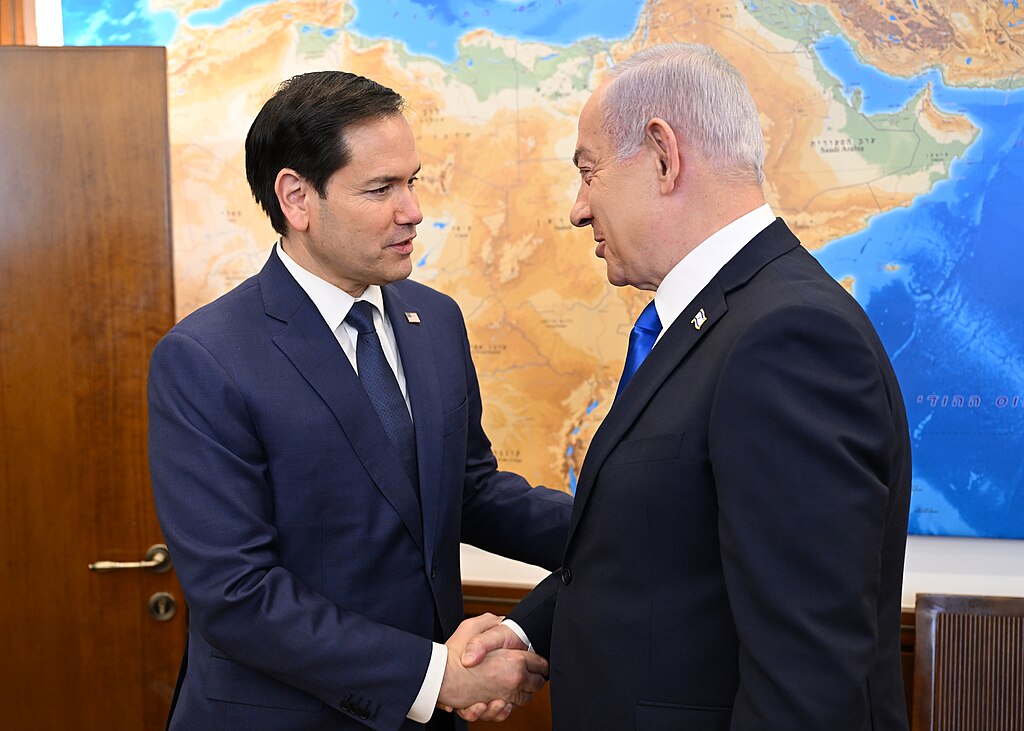
U.S. Secretary of State Marco Rubio recently held talks with Israeli Prime Minister Benjamin Netanyahu regarding a new U.S. tariff policy, the State Department confirmed on Friday. The high-level discussion follows Washington’s announcement of sweeping trade measures, which now include a 17% tariff on certain Israeli exports.
Although the specific goods affected have not been publicly detailed, the move could impact significant sectors of Israel’s economy. The United States is Israel’s largest single trading partner, making the new tariffs a potentially serious concern for bilateral trade relations.
Rubio emphasized the importance of continued strategic cooperation between the two allies while addressing the implications of the policy shift. The conversation reportedly covered broader economic ties and regional stability, though the focus remained on the economic repercussions of the tariff decision.
The decision comes amid growing global trade tensions and a shift in U.S. policy aimed at protecting domestic industries. This new approach signals a tougher stance on imports, even from close allies like Israel.
Israeli officials have not yet issued a formal response to the new tariffs. However, trade analysts suggest the development could prompt diplomatic negotiations or requests for exemptions in key export categories.
The 17% tariff marks one of the most significant trade adjustments between the two nations in recent years. Businesses in both countries are now assessing the potential impact on supply chains and export volumes.
As global markets watch closely, the U.S.-Israel trade relationship enters a new phase, where economic interests and diplomatic ties will be tested. Stakeholders anticipate further dialogue in the coming weeks as both sides seek to minimize disruption and maintain strong economic cooperation.













