


 Bank of Japan Holds Rates Steady Amid Inflation Concerns and Yen Weakness
  Asian Currencies Hold Steady as Oil Prices Surge Amid Middle East Tensions
  Oil Prices Surge Past $100 as U.S.-Israel War on Iran Threatens Global Energy Supply
  BOJ Holds Interest Rates Steady Amid Middle East Uncertainty
  Malaysia Semiconductor Industry Eyes Helium Supply Risks Amid Middle East Conflict
  Fed Holds Rates Steady as Middle East Conflict Clouds Inflation Outlook
  Japan's Major Companies Lead Strong Wage Growth for Fourth Consecutive Year
  RBA Raises Cash Rate to 4.10% in Closest Vote Since Transparent Voting Began
  Oil Prices Dip as U.S. Crude Inventories Surge Amid Middle East Tensions
  U.S.-Iran War Escalates as Strait of Hormuz Crisis Threatens Global Oil Supply
  Iran-Israel War Escalates: Energy Infrastructure Attacks Shake Global Oil Markets
  Asian Currencies Hold Steady Amid Iran Conflict and Central Bank Decisions
  Global Central Banks Hold Rates Amid Iran War-Driven Energy Price Surge
  Iran-Israel War Escalates: Cluster Missiles, Nuclear Fears, and Strait of Hormuz Crisis
  Asian Markets Rally on AI Optimism Ahead of Fed Decision
  Asia Stocks Rise Amid Central Bank Week and Middle East Tensions
  U.S.-Iran War Pushes Brent Crude Back Above $100 as Strait of Hormuz Tensions Persist


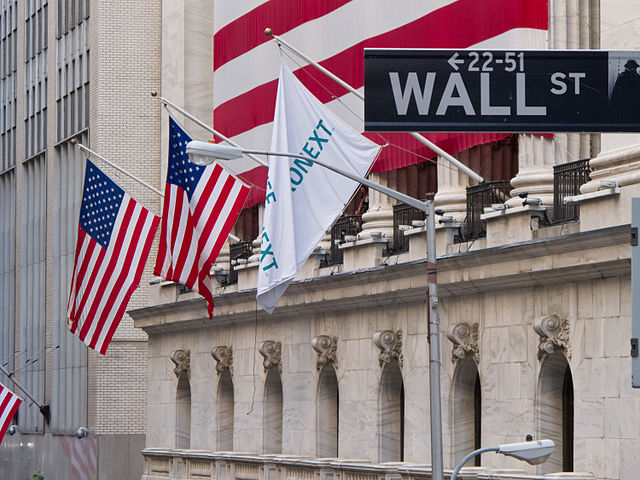
U.S. stock index futures edged lower Wednesday evening following a broad sell-off on Wall Street, as investors processed a more hawkish-than-expected Federal Reserve outlook alongside a sharp escalation in Middle East geopolitical tensions that continued to push oil prices higher.
S&P 500 Futures slipped 0.2% to 6,666.25, Nasdaq 100 Futures declined 0.2% to 24,597.0, and Dow Jones Futures dropped 0.2% to 46,455.0 as of 8:24 PM ET. These losses followed steep declines in the regular trading session, where the Dow Jones Industrial Average fell 1.6%, the S&P 500 lost 1.4%, and the Nasdaq Composite shed 1.5%.
The Federal Reserve held interest rates steady at its latest meeting, a move widely anticipated by markets. However, policymakers revised their inflation forecasts upward and signaled only modest monetary easing for the remainder of the year. Fed Chair Jerome Powell highlighted rising energy costs as a growing source of inflation uncertainty, cautioning that sustained fuel price increases could delay progress toward the Fed's 2% target. His comments prompted traders to scale back near-term rate cut expectations significantly.
Adding to market anxiety, Iran launched retaliatory strikes against multiple energy facilities across the region after its South Pars gas field — one of the world's largest — was attacked. The strikes reportedly caused damage near Qatar's Ras Laffan energy complex, intensifying fears over regional supply disruptions. Crude oil prices surged past $110 per barrel during Asian trading on Thursday, reflecting mounting concern that the widening conflict involving Iran, Israel, and the U.S. could threaten crude flows through the Strait of Hormuz, a critical global shipping corridor.
With inflationary pressures building and geopolitical risks escalating simultaneously, investor sentiment remains fragile, keeping equity markets under pressure as traders await further developments on both fronts.













