


 Pakistan's Diplomatic Rise: Mediating U.S.-Iran Peace Talks
  Trump Administration Settles Lawsuit Barring Federal Agencies from Pressuring Social Media Censorship
  Bachelet Pushes Forward With UN Secretary-General Bid Despite Chile's Withdrawal
  FEMA Reinstates $1 Billion Disaster Prevention Grant Program After Court Order
  Trump to Visit China in May for High-Stakes Xi Summit Amid Iran War
  G7 Foreign Ministers Gather in France Amid Global Tensions and U.S. Policy Uncertainty
  Jay Bhattacharya to Continue Leading CDC as White House Searches for Permanent Director
  Denmark Election 2025: Social Democrats Suffer Historic Losses Amid Migration and Cost-of-Living Tensions
  Taiwan Arms Deal on Track Despite U.S.-China Summit Uncertainty
  ICE Arrest of Guatemalan Woman at San Francisco Airport Sparks Outrage
  U.S. Deploys Elite 82nd Airborne Troops to Middle East Amid Iran Tensions
  Trump Backs Down on Iran Strikes After Gulf Allies Sound the Alarm
  Denmark Election 2026: Frederiksen Eyes Third Term Amid Trump-Greenland Tensions
  Trump Administration Opens Two New Investigations Into Harvard Over Discrimination and Antisemitism
  Iran-U.S. Negotiations: Tehran Reviews American Peace Proposal Amid Ongoing Gulf Conflict
  WTO Reform Talks Begin in Cameroon Amid Global Trade Tensions
  Russia Strikes Kharkiv and Izmail as Cross-Border Drone War Escalates


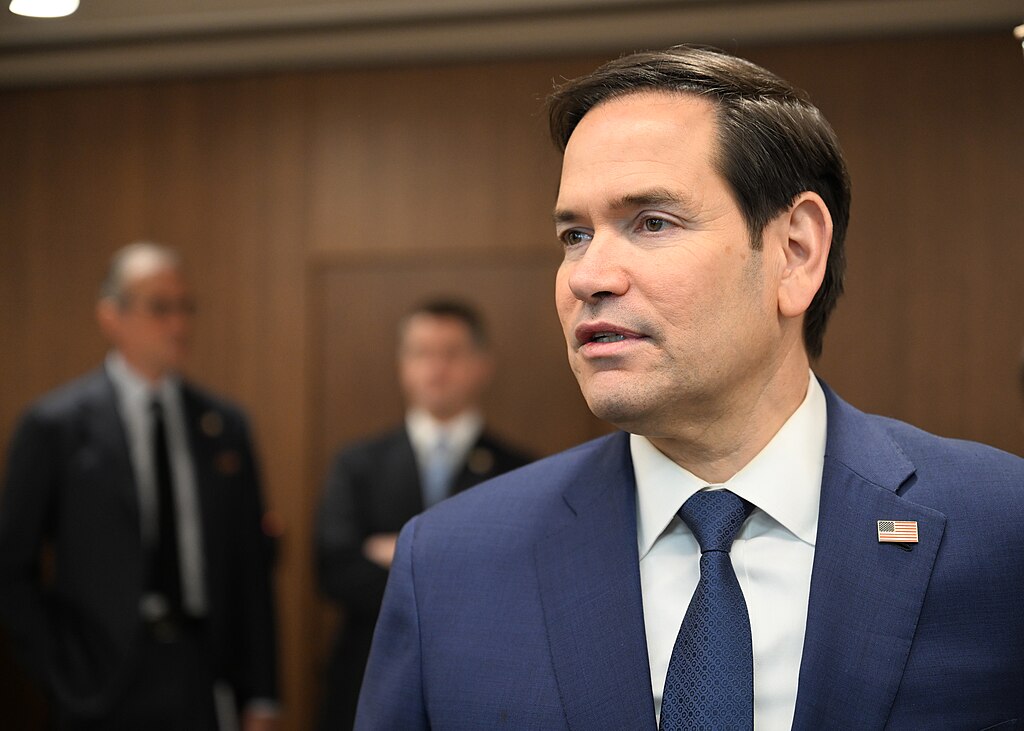
Ahead of a fresh round of nuclear talks, U.S. Secretary of State Marco Rubio reiterated that Iran must completely stop enriching uranium under any agreement with Washington, stressing that Tehran should import enriched uranium solely for civilian use, similar to other countries with peaceful nuclear programs.
The negotiations, set for Saturday in Oman, mark the third round of discussions between the two nations. However, a senior Iranian official, close to the negotiation team, dismissed Rubio’s remarks, stating again that “zero enrichment is unacceptable.” Iran insists its nuclear activities are peaceful and denies any ambition to develop nuclear weapons.
The U.S., under President Donald Trump’s "maximum pressure" strategy, continues to impose heavy sanctions and threatens military action if Iran does not abandon its enrichment activities. Washington aims to ensure Iran cannot develop a nuclear bomb, citing enrichment as a central proliferation concern.
Rubio clarified in a recent interview that Iran, like other countries, can import enriched uranium to support a civilian nuclear program, but domestic enrichment poses unacceptable risks. He said Iran would be the only nation enriching uranium without an acknowledged weapons program, raising international concerns.
U.S. Middle East envoy Steve Witkoff also emphasized that Iran does not need to enrich uranium beyond 3.67%—a level suitable for civilian energy use. Although his remarks initially seemed ambiguous, Witkoff later asserted that Iran must “stop and eliminate” its enrichment capabilities entirely.
Meanwhile, the International Atomic Energy Agency reports that Iran is accelerating uranium enrichment to 60% purity, approaching weapons-grade levels. Western powers argue this level of enrichment is unnecessary for civilian purposes and note that no nation enriches to such high levels without pursuing nuclear arms.













