


 Michigan Senate Race Narrows as Mallory McMorrow Ends Democratic Campaign
  FIFA Suspends Balogun Ban, Clears U.S. Striker for Belgium World Cup Clash
  Trump to Meet Zelenskiy at NATO Summit in Turkey to Push Ukraine Peace Efforts
  France Battles Mediterranean Wildfires as Heatwave Fuels Fire Risk
  JD Vance Says Britain Needs Major Political Change as Leadership Transition Looms
  Meta Seeks Legal Shield From Child-Harm Lawsuits Amid KOSA Talks
  California Court Dismisses Trump Administration Lawsuit Against Los Angeles Sanctuary Policy
  Kim Jong Un Oversees North Korea Destroyer Missile Tests, Orders Rapid Naval Deployment
  Apple Challenges India Antitrust Probe, Says CCI Copied Rivals’ Claims in App Store Case
  Khamenei Funeral Draws Massive Crowds as Iran’s New Supreme Leader Remains Absent
  DOJ Seeks Dismissal of Gautam Adani Bribery Case, Citing Foreign Scope
  Pedro Sanchez’s Wife Ordered to Stand Trial in Spain Corruption Case
  Iran Holds State Funeral for Ali Khamenei as Security Fears Shape Succession
  Brazil Supreme Court Convicts Eduardo Bolsonaro Over U.S. Lobbying Efforts
  Trump Administration Proposes Repeal of 702 Federal Regulations in Major Deregulation Push
  Fortescue Faces Class Action Over Sexual Harassment Claims at Australian Mining Sites
  DOJ Clears Paramount Skydance-Warner Bros. Discovery Merger Without Conditions


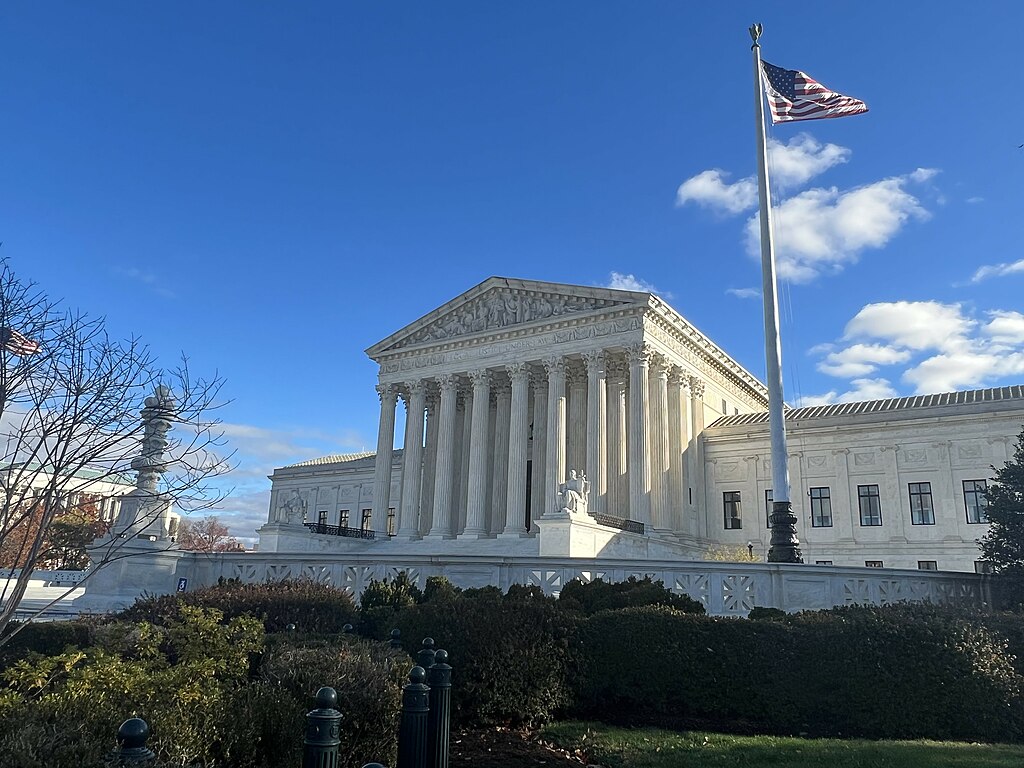
Since President Donald Trump returned to office in January 2025, the U.S. Supreme Court has taken up a wide range of high-stakes cases challenging his administration’s policies. The rulings and pending decisions touch on tariffs, immigration enforcement, federal agency independence, transgender rights, foreign aid, and the scope of presidential authority, shaping the legal landscape of Trump’s second term.
In a landmark 6-3 decision on February 20, the Supreme Court struck down Trump’s sweeping tariffs imposed under the International Emergency Economic Powers Act (IEEPA). The justices ruled that the 1977 law did not authorize the president to unilaterally impose broad tariffs, reaffirming that the Constitution grants Congress — not the executive branch — the power to levy taxes and regulate trade. The decision carries major implications for global markets and U.S. trade policy.
Immigration policy has also dominated the court’s docket. The justices allowed immigration raids in California to proceed, cleared the revocation of Temporary Protected Status (TPS) for Venezuelan migrants, and permitted the rollback of immigration “parole” protections for migrants from several countries. At the same time, the court blocked certain deportations under the Alien Enemies Act, citing due process concerns, and ordered the administration to facilitate the return of a wrongly deported Salvadoran man. The justices will soon hear arguments over Trump’s executive order restricting birthright citizenship under the 14th Amendment.
The court has signaled support for expanding presidential control over federal agencies. It allowed Trump to remove officials from the Consumer Product Safety Commission and federal labor boards, and appeared receptive to arguments supporting his firing of a Federal Trade Commission member. However, it showed skepticism toward his attempt to remove Federal Reserve Governor Lisa Cook.
Additional rulings have permitted a transgender military ban, upheld passport restrictions tied to sex at birth, allowed mass federal layoffs, approved cuts to medical research and teacher training grants, cleared the dismantling of the Education Department, and enabled temporary withholding of foreign aid.
Collectively, these Supreme Court decisions underscore an ongoing legal battle over executive power, constitutional limits, and the future direction of U.S. domestic and foreign policy.







