


 Ohio Man Indicted for Alleged Threat Against Vice President JD Vance, Faces Additional Federal Charges
  India–U.S. Interim Trade Pact Cuts Auto Tariffs but Leaves Tesla Out
  Trump Backs Nexstar–Tegna Merger Amid Shifting U.S. Media Landscape
  Trump Allows Commercial Fishing in Protected New England Waters
  Trump Signs Executive Order Threatening 25% Tariffs on Countries Trading With Iran
  Japan’s Prime Minister Sanae Takaichi Secures Historic Election Win, Shaking Markets and Regional Politics
  Ghislaine Maxwell to Invoke Fifth Amendment at House Oversight Committee Deposition
  U.S. Lawmakers to Review Unredacted Jeffrey Epstein DOJ Files Starting Monday
  Pentagon Ends Military Education Programs With Harvard University
  Japan Election 2026: Sanae Takaichi Poised for Landslide Win Despite Record Snowfall
  Sydney Braces for Pro-Palestine Protests During Israeli President Isaac Herzog’s Visit
  Trump Lifts 25% Tariff on Indian Goods in Strategic U.S.–India Trade and Energy Deal
  Nicaragua Ends Visa-Free Entry for Cubans, Disrupting Key Migration Route to the U.S.
  Jack Lang Resigns as Head of Arab World Institute Amid Epstein Controversy
  US Pushes Ukraine-Russia Peace Talks Before Summer Amid Escalating Attacks
  Federal Judge Restores Funding for Gateway Rail Tunnel Project


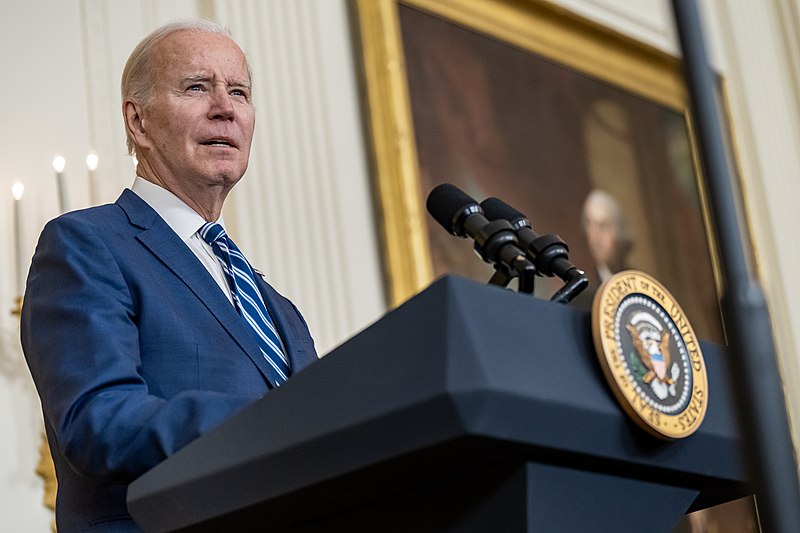
The White House said this week that US President Joe Biden would veto the Republican-led energy legislation package should it pass Congress. The White House said the legislation would lead to increased costs.
The White House said on Monday that Biden would veto the Republican-led energy legislation package should it pass Congress. Congressional Republicans, who control the House of Representatives by a slim margin, plan to bring the bill to the floor for a vote this week, according to GOP Rep. Elise Stefanik, who leads the House Republican Conference.
“H.R. 1 (Lower Energy Costs Act) would double the cost of energy efficiency upgrades that families need to reduce household bills and would repeal the Greenhouse Gas Reduction Fund that will cut energy costs and boost economic development in rural and urban communities across the country,” said the White House. “Therefore, if presented to the president in its current form, he would veto it.”
The Republican-led legislation would codify a Trump-era rule that sought limits on reviews and public input on fossil fuel projects and road building. The rule also weakened the fundamental conservation law, the National Environmental Policy ct, or NEPA. Even if the bill passes the House, it would still need to pass the Senate, where the Democratic Party holds a slim majority.
Senate Majority Leader Chuck Schumer said the bill would be “dead on arrival” in the Senate. However, many senators want more moderate permitting legislation that would expand the electricity transmission system. Democratic Senator Ed Markey last week outlined priorities for a permitting bill that includes historic levels of funding for environmental justice programs and NEPA implementation.
On the same day, the Senate voted to advance the legislation to repeal 20-year-old authorizations for past military conflicts in Iraq in an effort by Congress to reassert its role in deciding when to deploy troops. The legislation was passed by an overwhelming majority of 65 to 28, with all opposing votes from Republicans.
The lawmakers who led the bill called the 1991 and 2002 Authorizations for the Use of Military Force or AUMF against Iraq “zombie” authorizations, and that they were outdated and inappropriate as the wars have long been over and Iraq has become a US partner.













