


 New York Legalizes Medical Aid in Dying for Terminally Ill Patients
  Iran–U.S. Nuclear Talks in Oman Face Major Hurdles Amid Rising Regional Tensions
  Trump Allows Commercial Fishing in Protected New England Waters
  Ohio Man Indicted for Alleged Threat Against Vice President JD Vance, Faces Additional Federal Charges
  Netanyahu to Meet Trump in Washington as Iran Nuclear Talks Intensify
  TrumpRx.gov Highlights GLP-1 Drug Discounts but Offers Limited Savings for Most Americans
  U.S. to Begin Paying UN Dues as Financial Crisis Spurs Push for Reforms
  China Warns US Arms Sales to Taiwan Could Disrupt Trump’s Planned Visit
  India–U.S. Interim Trade Pact Cuts Auto Tariffs but Leaves Tesla Out
  Trump Says “Very Good Talks” Underway on Russia-Ukraine War as Peace Efforts Continue
  Jack Lang Resigns as Head of Arab World Institute Amid Epstein Controversy
  US Pushes Ukraine-Russia Peace Talks Before Summer Amid Escalating Attacks
  South Korea Assures U.S. on Trade Deal Commitments Amid Tariff Concerns
  Trump Lifts 25% Tariff on Indian Goods in Strategic U.S.–India Trade and Energy Deal
  Federal Judge Restores Funding for Gateway Rail Tunnel Project
  Norway Opens Corruption Probe Into Former PM and Nobel Committee Chair Thorbjoern Jagland Over Epstein Links
  Trump Backs Nexstar–Tegna Merger Amid Shifting U.S. Media Landscape


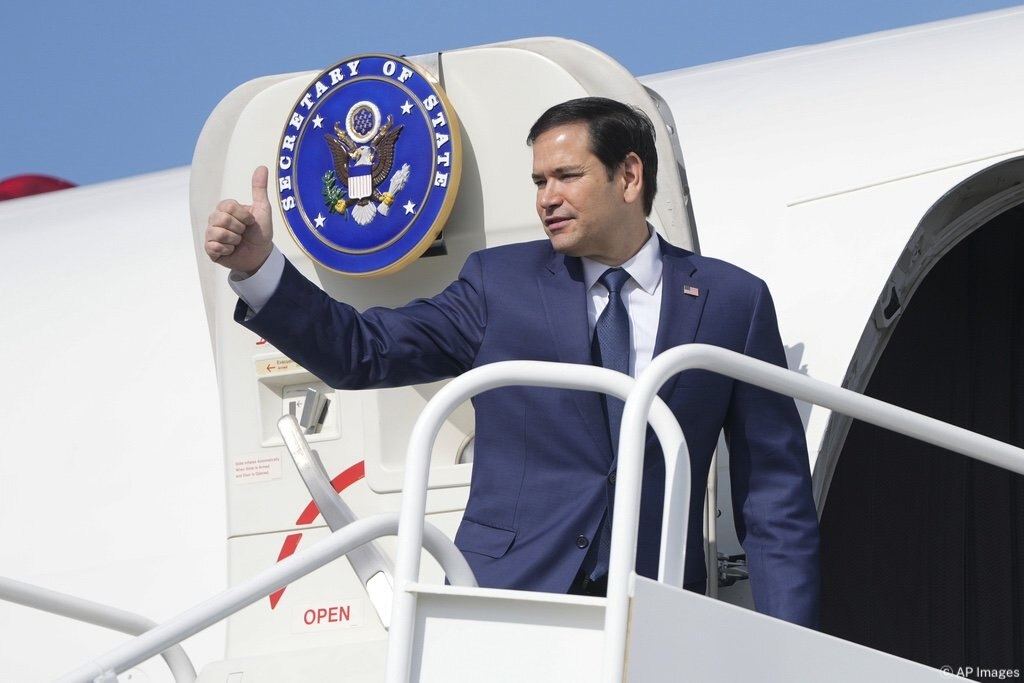
The United States has expressed strong support for Iraq’s decision to detain Islamic State members transferred from Syria, while calling on other countries to take responsibility for their citizens and repatriate them to face justice. U.S. Secretary of State Marco Rubio said Washington welcomed Iraq’s initiative, describing it as a crucial step in preventing an ISIS resurgence following recent instability in northeast Syria.
In a statement issued Thursday, Rubio said the Iraqi government’s move to hold ISIS detainees in secure facilities would help address the growing security risks caused by the rapid collapse of Kurdish-led forces that had guarded prisons and camps for years. He emphasized that non-Iraqi militants would only be held in Iraq temporarily, urging countries of origin to bring their citizens home and prosecute them under their own legal systems.
Iraq’s Supreme Judicial Council confirmed it would begin legal proceedings against Islamic State detainees transferred from Syria. This announcement came shortly after the U.S. military revealed it had moved 150 suspected ISIS militants from Syria into Iraq. According to U.S. officials, the operation could eventually involve the transfer of up to 7,000 detainees, underscoring the scale of the challenge facing regional and international partners.
For years, more than 10,000 ISIS fighters, along with tens of thousands of women and children linked to the group, have been held in roughly a dozen prisons and detention camps in northeastern Syria. These facilities were guarded by the Syrian Democratic Forces, but their rapid retreat amid clashes with Syrian government troops has raised serious concerns over prison security and humanitarian conditions.
The United Nations has stepped in to assume management responsibility for large camps housing families associated with ISIS, as fears grow that instability could allow militants to escape or reorganize. Iraq has already begun accepting detainees from Syrian prisons and has appealed to other nations to share the burden by repatriating their nationals.
Rubio described Iraq’s actions as a vital part of a long-term international framework to counter terrorism, stressing that coordinated burden sharing among coalition members remains essential to preventing the re-emergence of the Islamic State and maintaining regional security.













