


 US Grants Aurora Five-Year Exemption for Self-Driving Trucks
  EU Rejects Italy, Greece Calls for Fiscal Rule Flexibility
  UK Warned Over Growing Reliance on US Cloud Providers
  TikTok Accused of Testing Fake Safety Tools on Users
  US Suspends Microsoft, Adobe From Green Card Program
  US Charges Maduro and Wife With Torture Conspiracy
  SEC Investor Reform Validates Barry Silbert’s Tokenization Vision
  US Pressures Allies to Distance From Anti-Disinformation Conference
  Saudi Airport Attacks Kill Three as Yemen Fighting Escalates
  Kalshi Wins CFTC Approval for S&P 500 Perpetual Futures
  Trump Weighs FBI Probe Into Nolan Wells’ Death
  Trump Opens Tax-Exempt Dyed Diesel Access as Fuel Prices Surge
  US Government Moves $1 Billion in Bitcoin Amid Sale Speculation
  Zelenskiy Slams US Over Deadly Russian Strikes on Ukraine
  Anthropic Launches Claude Dashboards and Motion AI Tools
  New York Declares Measles Disaster Emergency as Cases Surge


 Add as a preferred source on Google
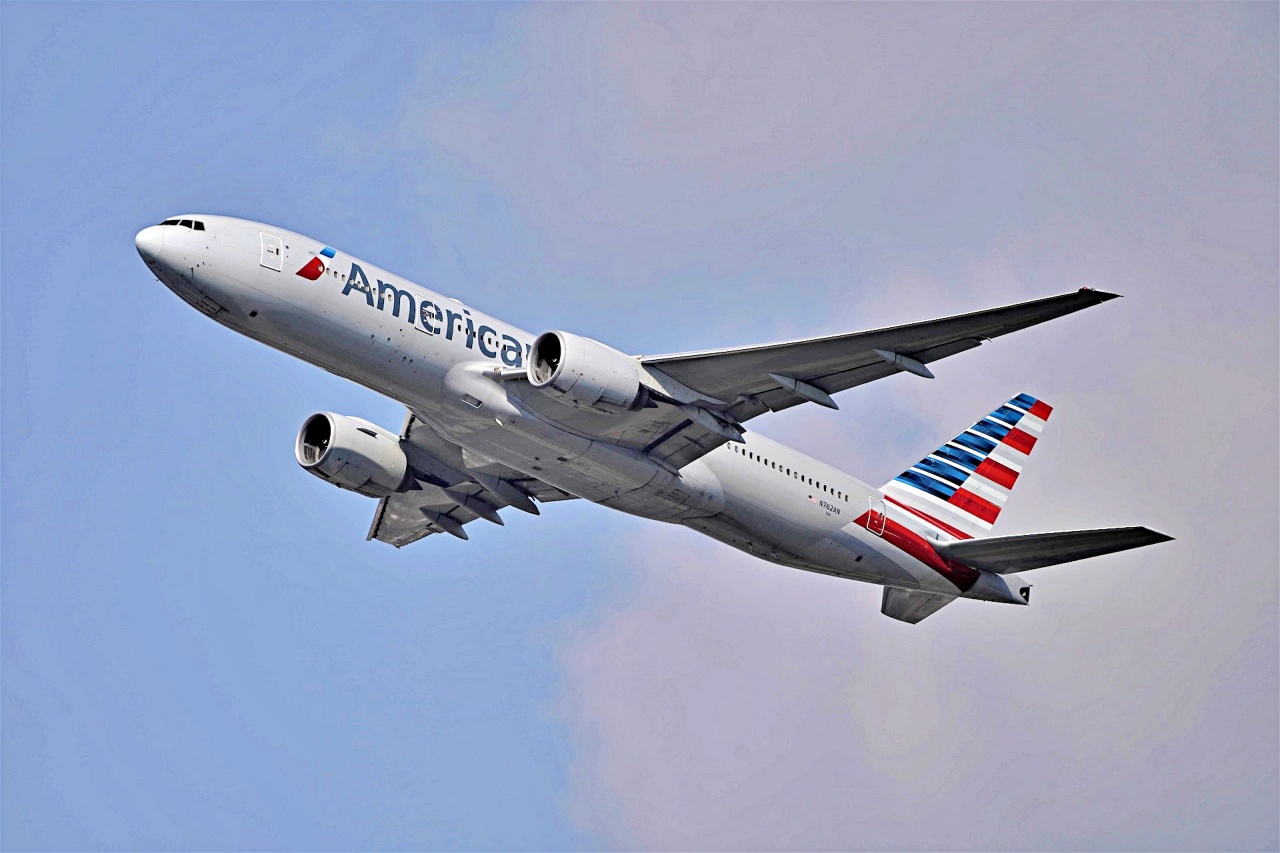
U.S. Transportation Secretary Sean Duffy warned Friday that airlines could be forced to slash up to 20% of flights if the government shutdown continues, intensifying pressure on Congress to reach a funding deal. The Federal Aviation Administration (FAA) has already directed airlines to reduce flights by 4% at 40 major airports, with cuts expected to rise to 10% by November 14.
The shutdown has severely strained aviation operations. Thousands of air traffic controllers and security screeners have been working without pay, leading to widespread absenteeism. On Friday alone, the FAA delayed hundreds of flights due to staffing shortages at key airports, including Atlanta, San Francisco, Houston, Phoenix, Washington, D.C., and Newark. By 7:30 p.m. ET, over 5,300 flights had been delayed, according to FlightAware. At Reagan Washington National Airport, average delays reached four hours, with 17% of flights canceled.
Secretary Duffy said safety concerns, including incidents involving aircraft separation and ground incursions, prompted the decision to cut flights. He added that reductions could escalate to 20% if absenteeism worsens. The cuts began Friday morning and include approximately 700 flights from major carriers like American Airlines, Delta, Southwest, and United.
Airline executives warned of growing disruption if the shutdown drags on. American Airlines CEO Robert Isom noted that while the initial impact is manageable, “This level of cancellation is going to grow over time.” The airline canceled 220 flights affecting 12,000 passengers but managed to reroute most within hours. United Airlines canceled 184 flights Friday and expects further reductions over the weekend.
As political tensions rise, Democrats blame Republicans for the shutdown, arguing that GOP refusal to negotiate over health insurance funding has brought air travel chaos during the busy holiday season.







