


 Trump Faces Tough Choices as Iran War Drags On
  Canada, US Hold Constructive Trade Talks as Tariff Negotiations Continue
  SEC Moves to Dismiss Insider Trading Case Against Trump-Pardoned Terren Peizer
  US-Backed Venezuela Government, Opposition Talks Begin
  Russian Strikes on Ukraine Kill Six, Wound Dozens in Balakliia and Sumy
  Senate Majority Leader John Thune Moves to Advance Crypto Clarity Act
  US Continues Ukraine Patriot Missile Production Talks Despite Trump Doubts
  Russian Strikes Kill Six in Eastern and Northern Ukraine, Dozens Injured
  Trump Administration Weighs Executive Order on Vaccines and Autism Research
  Iran-Oman Near Strait of Hormuz Deal as Shipping Tensions Persist
  ICE to Complete Nationwide Body Camera Rollout by End of August
  U.S. Unseals Charges Against Five Alleged CJNG Leaders, Raises Reward for New Cartel Chief
  Trump Orders Probe Into Pentagon Munitions Stockpile Leaks After Iran Conflict
  Mark Carney Jokes About Teleprompter, Takes Swipe at Trump
  Rubio, UK’s Miliband Stress Stronger European Security Role in Washington Talks
  Abdul El-Sayed Wins Michigan Democratic Senate Primary, Sets Up Key Midterm Showdown


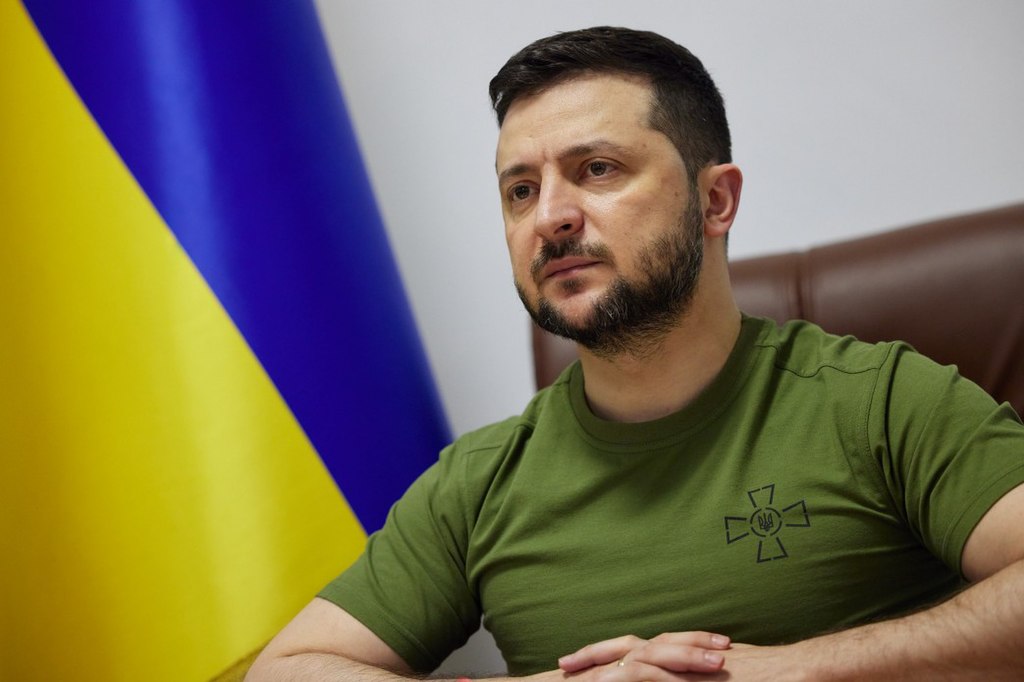
Ukrainian President Volodymyr Zelenskiy has returned Poland’s highest state honor, the Order of the White Eagle, after Polish President Karol Nawrocki revoked the award over a growing dispute surrounding World War II history. The move has intensified tensions between Ukraine and Poland, two key allies that have worked closely together since Russia’s invasion of Ukraine.
Zelenskiy announced on Saturday that he had sent back the decoration, which was originally awarded in 2023. In a statement posted on X, he said the honor had been presented as recognition of the Ukrainian people and the country’s armed forces. He also reaffirmed Ukraine’s appreciation for Poland’s support and expressed a willingness to continue dialogue on sensitive historical issues that affect both nations.
The diplomatic disagreement centers on Zelenskiy’s decision to rename a Ukrainian military unit in honor of members of the Ukrainian Insurgent Army (UPA). While many Ukrainians view the UPA as a symbol of resistance against both Nazi Germany and the Soviet Union, Poland points to the group’s involvement in the Volhynia massacres, during which approximately 100,000 Poles were killed between 1943 and 1945. Thousands of Ukrainians also died in retaliatory attacks.
The controversy prompted several former Ukrainian presidents, including Leonid Kuchma, Viktor Yushchenko, and Petro Poroshenko, to return their Polish awards. Other senior officials, including Zelenskiy’s chief of staff Kyrylo Budanov and Foreign Minister Andrii Sybiha, also renounced honors granted by Poland.
Polish government officials warned that the dispute could undermine relations at a critical time and potentially benefit Russia. Foreign Minister Radoslaw Sikorski stated that Moscow stood to gain from a conflict over historical grievances. Defense Minister Władyslaw Kosiniak-Kamysz similarly cautioned that escalating tensions between allies could weaken regional security.
Despite criticism, Nawrocki defended his decision, arguing that Poland’s historical sensitivities had been ignored. He emphasized that revoking the award was not directed at the Ukrainian people and did not represent a change in Poland’s strategic support for Ukraine. Nevertheless, the dispute highlights the enduring impact of historical memory on modern European politics and the challenges facing Ukraine-Poland relations.







