


 Netanyahu to Meet Trump in Washington as Iran Nuclear Talks Intensify
  Missouri Judge Dismisses Lawsuit Challenging Starbucks’ Diversity and Inclusion Policies
  Trump Lifts 25% Tariff on Indian Goods in Strategic U.S.–India Trade and Energy Deal
  Iran–U.S. Nuclear Talks in Oman Face Major Hurdles Amid Rising Regional Tensions
  Trump Endorses Japan’s Sanae Takaichi Ahead of Crucial Election Amid Market and China Tensions
  Japan Election 2026: Sanae Takaichi Poised for Landslide Win Despite Record Snowfall
  U.S.-India Trade Framework Signals Major Shift in Tariffs, Energy, and Supply Chains
  Trump Backs Nexstar–Tegna Merger Amid Shifting U.S. Media Landscape
  Trump Allegedly Sought Airport, Penn Station Renaming in Exchange for Hudson River Tunnel Funding
  Trump’s Inflation Claims Clash With Voters’ Cost-of-Living Reality
  Jack Lang Resigns as Head of Arab World Institute Amid Epstein Controversy
  U.S. Announces Additional $6 Million in Humanitarian Aid to Cuba Amid Oil Sanctions and Fuel Shortages
  China Warns US Arms Sales to Taiwan Could Disrupt Trump’s Planned Visit
  Trump Signs Executive Order Threatening 25% Tariffs on Countries Trading With Iran
  Nighttime Shelling Causes Serious Damage in Russia’s Belgorod Region Near Ukraine Border
  Norway Opens Corruption Probe Into Former PM and Nobel Committee Chair Thorbjoern Jagland Over Epstein Links
  Ohio Man Indicted for Alleged Threat Against Vice President JD Vance, Faces Additional Federal Charges


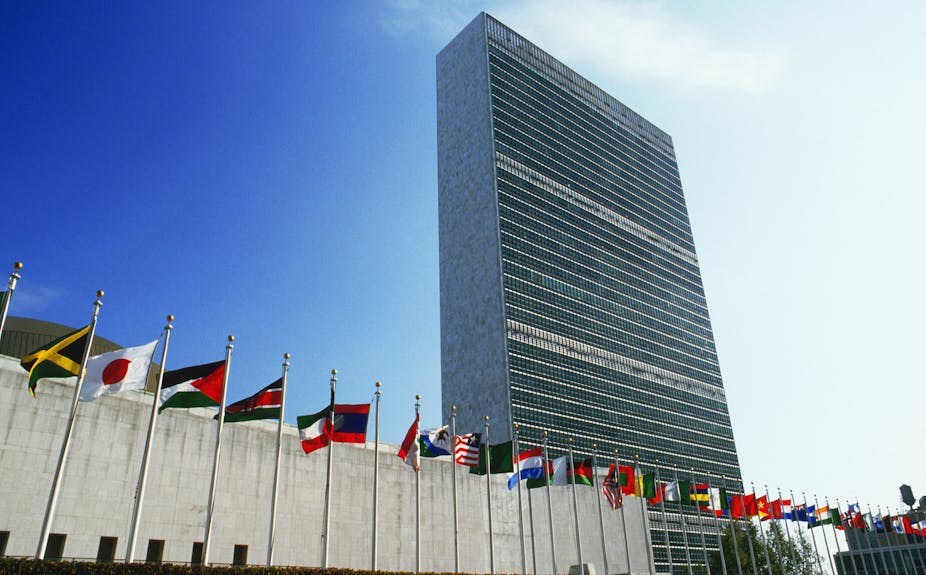
The UN Security Council convened urgently on Sunday after the U.S., joined by Israel, launched a large-scale military strike on Iran’s nuclear facilities, escalating tensions in the Middle East. President Donald Trump declared the strikes had “obliterated” Iran’s nuclear infrastructure, in what has become the West’s most significant military action against Tehran since 1979.
UN Secretary-General António Guterres warned the situation risks spiraling out of control, calling for immediate ceasefire and a return to negotiations. Russia, China, and Pakistan proposed a resolution demanding an unconditional halt to hostilities. However, the U.S. is expected to oppose it, especially since the draft resolution criticizes attacks on Iran’s nuclear facilities, albeit without naming any country.
China’s envoy urged diplomacy over force, while Russia’s ambassador compared the current claims to the 2003 Iraq WMD narrative, criticizing the U.S. for repeating history. U.S. Ambassador Dorothy Shea defended the strike, accusing Iran of deceiving negotiators and accelerating its nuclear weapons ambitions.
Iran’s UN representative condemned the attacks as unlawful, claiming the Non-Proliferation Treaty was being misused as political leverage. Meanwhile, Israel’s envoy praised U.S. action, arguing Iran had used diplomacy as a cover to develop nuclear weapons.
The UK urged restraint, stating military action cannot resolve nuclear concerns. IAEA Chief Rafael Grossi confirmed damage at Iran’s Fordow, Isfahan, and Natanz sites but reported no radiation leaks.
With Iran’s response still pending and diplomatic rifts deepening, the crisis marks a dangerous turning point in Middle East geopolitics. The Security Council has yet to set a vote on the ceasefire resolution, as member states review the proposal amid growing global anxiety over a broader regional conflict.













