


 Netanyahu to Meet Trump in Washington as Iran Nuclear Talks Intensify
  China Overturns Death Sentence of Canadian Robert Schellenberg, Signaling Thaw in Canada-China Relations
  Trump Says “Very Good Talks” Underway on Russia-Ukraine War as Peace Efforts Continue
  Trump Allows Commercial Fishing in Protected New England Waters
  Jack Lang Resigns as Head of Arab World Institute Amid Epstein Controversy
  Federal Judge Restores Funding for Gateway Rail Tunnel Project
  Antonio José Seguro Poised for Landslide Win in Portugal Presidential Runoff
  Trump Backs Nexstar–Tegna Merger Amid Shifting U.S. Media Landscape
  Taiwan Says Moving 40% of Semiconductor Production to the U.S. Is Impossible
  Anutin’s Bhumjaithai Party Wins Thai Election, Signals Shift Toward Political Stability
  Japan Election 2026: Sanae Takaichi Poised for Landslide Win Despite Record Snowfall
  China Warns US Arms Sales to Taiwan Could Disrupt Trump’s Planned Visit
  U.S. Lawmakers to Review Unredacted Jeffrey Epstein DOJ Files Starting Monday
  Trump Administration Appeals Court Order to Release Hudson Tunnel Project Funding
  New York Legalizes Medical Aid in Dying for Terminally Ill Patients
  Sydney Braces for Pro-Palestine Protests During Israeli President Isaac Herzog’s Visit
  Ghislaine Maxwell to Invoke Fifth Amendment at House Oversight Committee Deposition


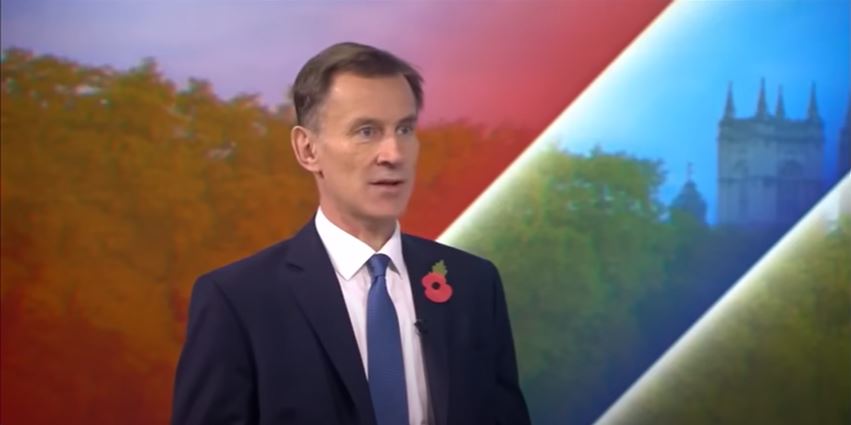
British finance minister Jeremy Hunt defended the plan to increase taxes after it was criticized by lawmakers in the governing Conservative Party. Hunt said the plan aimed to tackle record-high inflation.
Speaking on Sky News Friday last week, Hunt defended the plan for tax hikes following the criticism by Conservative lawmakers. Hunt explained that the plan would aim to tackle inflation which is now at a 40-year high. Hunt announced tax hikes and cuts on public spending Thursday, explaining that this was to curb inflation worsened by Russia’s invasion of Ukraine along with disrupted global supply chains that continued after the COVID-19 pandemic.
“Over the next two years it is going to be challenging, but I think people want a government that is taking difficult decisions, has a plan that will bring down inflation, stop those big rises in the cost of energy bills, and the weekly shop,” said Hunt. “None of this is easy, but it is the right thing to do.”
Hunt also said he deferred most of the curbs on public spending because cutting at this time would only worsen the recession. When pressed whether he thinks the Conservative Party would support his moves for tax hikes, especially with the current situation of the country’s economy, Hunt said that there was no other way but to make difficult decisions.
“There is nothing Conservative about spending money you haven’t got,” said Hunt. “There is nothing Conservative about not tackling inflation. There is nothing Conservative about ducking difficult decisions that put the economy on track.”
In his tax hike plan, Hunt said that those who earn over $178,000 a year would have to pay around $1,400 more per year. Hunt also said the government would increase the windfall tax on oil and gas companies and extend it to power-generating firms.
When it came to public spending, Hunt said that the country’s healthcare and social care programs would receive a $9.5 billion package in two years, and he cited healthcare chiefs saying that the funds would help address key priorities. The state-run National Health Service budget would be an additional $3.3 billion in the next two years, while the social care sector would receive an additional $3.3 billion in 2023 and $5.6 billion in 2024.













