


 Bosnian Serb Presidential Rerun Confirms Victory for Dodik Ally Amid Allegations of Irregularities
  US Pushes Ukraine-Russia Peace Talks Before Summer Amid Escalating Attacks
  Anutin’s Bhumjaithai Party Wins Thai Election, Signals Shift Toward Political Stability
  Nicaragua Ends Visa-Free Entry for Cubans, Disrupting Key Migration Route to the U.S.
  Ghislaine Maxwell to Invoke Fifth Amendment at House Oversight Committee Deposition
  China Overturns Death Sentence of Canadian Robert Schellenberg, Signaling Thaw in Canada-China Relations
  Antonio José Seguro Poised for Landslide Win in Portugal Presidential Runoff
  Sydney Braces for Pro-Palestine Protests During Israeli President Isaac Herzog’s Visit
  Trump Congratulates Japan’s First Female Prime Minister Sanae Takaichi After Historic Election Victory
  Federal Judge Restores Funding for Gateway Rail Tunnel Project
  Trump’s Inflation Claims Clash With Voters’ Cost-of-Living Reality
  Ohio Man Indicted for Alleged Threat Against Vice President JD Vance, Faces Additional Federal Charges
  New York Legalizes Medical Aid in Dying for Terminally Ill Patients
  Japan’s Prime Minister Sanae Takaichi Secures Historic Election Win, Shaking Markets and Regional Politics
  Trump Says “Very Good Talks” Underway on Russia-Ukraine War as Peace Efforts Continue
  Trump Allows Commercial Fishing in Protected New England Waters


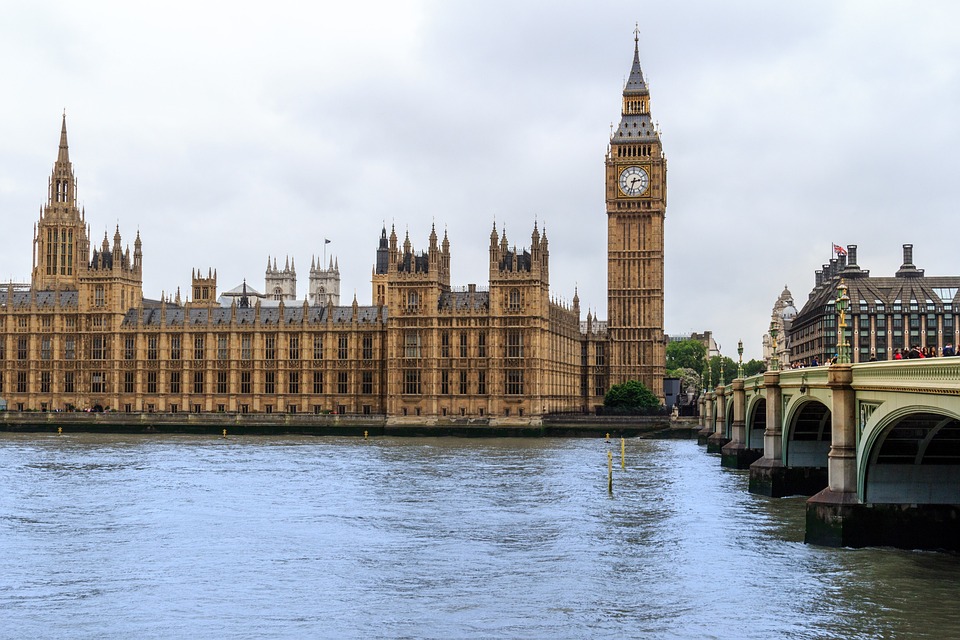
A court in London dismissed a legal challenge filed by an Uyghur rights group against the British government over the import of cotton produced in China’s Xinjiang province. The court found that the government’s approach to the law regarding the goods was “legally sound.”
Judge Ian Dove dismissed the legal challenge filed by the World Uyghur Congress against the British government on Friday last week. The WUC, made up of exiled Uyghur Muslim groups, took legal action against the United Kingdom’s Home Office, the HMRC, and the National Crime Agency. In a written ruling, Dove said that all legal challenges by the WUC were dismissed.
While Dove acknowledged that there was “clear and undisputed evidence of instances of cotton being manufactured in the XUAR by the use of detained and prison labor as well as by forced labor,” the Home Office’s approach to the law regarding the goods was “legally sound.” Dove also ruled that the stance of the HMRC tax authority and the National Crime Agency’s approach to the law was correct.
Dove referred to the Xinjiang province's initials of its formal name, the Xinjiang Uyghur Autonomous Region.
Rights groups have long accused China of widespread human rights abuses of the Uyghur Muslim minorities, 10 million of which reside in Xinjiang. Such accusations include forced labor camps. Beijing has denied the allegations.
In October, the WUC argued that the Home Office wrongly refused to launch an investigation into imports of foreign prison-made goods. The WUC also argued that the HRMC and the National Crime Agency failed to determine whether cotton imported from Xinjiang amounted to “criminal property.”
Lawyers that represent the British government argued that there must be a clear link between the “alleged criminality and its specific product” to probe into whether goods were made in a foreign prison.
Monday last week, London’s High Court granted permission to a group of migrants seeking asylum to file an appeal to overturn the court’s decision that was in favor of the British government’s planned deportations of migrants to Rwanda. The court upheld the legal challenges filed by eight individual asylum seekers on various grounds, including an appeal arguing that the court was wrong to decide that the forced deportation policy was not “systematically unfair.”













