


 Trump’s Inflation Claims Clash With Voters’ Cost-of-Living Reality
  U.S. to Begin Paying UN Dues as Financial Crisis Spurs Push for Reforms
  Trump Lifts 25% Tariff on Indian Goods in Strategic U.S.–India Trade and Energy Deal
  China Warns US Arms Sales to Taiwan Could Disrupt Trump’s Planned Visit
  Nighttime Shelling Causes Serious Damage in Russia’s Belgorod Region Near Ukraine Border
  Norway Opens Corruption Probe Into Former PM and Nobel Committee Chair Thorbjoern Jagland Over Epstein Links
  Ohio Man Indicted for Alleged Threat Against Vice President JD Vance, Faces Additional Federal Charges
  Trump Says “Very Good Talks” Underway on Russia-Ukraine War as Peace Efforts Continue
  Trump Allegedly Sought Airport, Penn Station Renaming in Exchange for Hudson River Tunnel Funding
  South Korea Assures U.S. on Trade Deal Commitments Amid Tariff Concerns
  TrumpRx.gov Highlights GLP-1 Drug Discounts but Offers Limited Savings for Most Americans
  Japan Election 2026: Sanae Takaichi Poised for Landslide Win Despite Record Snowfall
  India–U.S. Interim Trade Pact Cuts Auto Tariffs but Leaves Tesla Out
  Iran–U.S. Nuclear Talks in Oman Face Major Hurdles Amid Rising Regional Tensions
  Missouri Judge Dismisses Lawsuit Challenging Starbucks’ Diversity and Inclusion Policies
  U.S.-India Trade Framework Signals Major Shift in Tariffs, Energy, and Supply Chains
  Pentagon Ends Military Education Programs With Harvard University


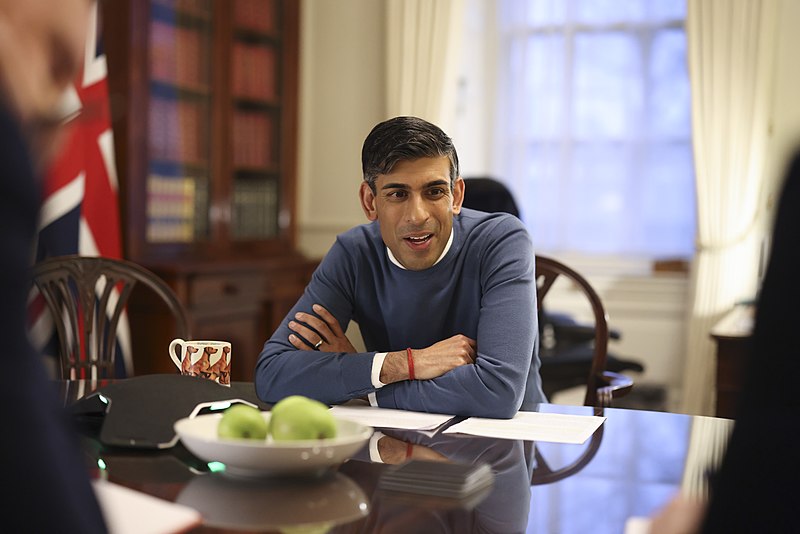
The British and Irish Prime Ministers said this week that they are open to reforming the 1998 Good Friday Agreement. However, the prime ministers noted that any debate to reform the peace agreement could only be done if the powersharing government that was key to the deal was restored.
On Wednesday, British Prime Minister Rishi Sunak and his Irish counterpart Leo Varadkar said they were open to making reforms to Northern Ireland’s Good Friday Agreement. This year marked the 25th anniversary of the peace deal, which largely saw the end to decades of sectarian violence in the region. Both prime ministers said that debate on such reforms could only be done if the power-sharing government was restored.
“I think its the shared view of the British and Irish government that there is a conversation that needs to happen about reforming the Good Friday Agreement. No agreement should be set in stone forever,” Varadkar told reporters after an event marking the 25th anniversary of the peace deal.
“I think there’s a time and place to have that debate but it should happen when the assembly, the executive, north/south ministerial bodies are up and running because people will be in a different mode then,” Varadkar added.
Sunak said in his remarks that he understood the frustrations of those who want changes but that any talks on reform could only be done when the powersharing government was restored and must be supported by all communities. Both Sunak and Varadkar encouraged the Democratic Unionist Party – the region’s largest political party, to end its boycott over the new post-Brexit trade agreement.
Sunak said he would listen to the DUP’s concerns and would continue to try and convince them to accept the recent changes to the trade rules that were established in February.
The architects of the Good Friday Agreement also urged a return to the powersharing government to end the political deadlock. Former US Senator George Mitchell, who oversaw talks between Irish nationalists and pro-British unionists in 1998, said peace was at stake if the deadlock continues.
Former British Prime Minister Tony Blair also appealed to the current leaders saying that they know deep down what needs to be done, which is why they must take action.













