


 Jack Lang Resigns as Head of Arab World Institute Amid Epstein Controversy
  Iran–U.S. Nuclear Talks in Oman Face Major Hurdles Amid Rising Regional Tensions
  Netanyahu to Meet Trump in Washington as Iran Nuclear Talks Intensify
  Norway Opens Corruption Probe Into Former PM and Nobel Committee Chair Thorbjoern Jagland Over Epstein Links
  Missouri Judge Dismisses Lawsuit Challenging Starbucks’ Diversity and Inclusion Policies
  U.S.-India Trade Framework Signals Major Shift in Tariffs, Energy, and Supply Chains
  Nighttime Shelling Causes Serious Damage in Russia’s Belgorod Region Near Ukraine Border
  China Warns US Arms Sales to Taiwan Could Disrupt Trump’s Planned Visit
  South Korea Assures U.S. on Trade Deal Commitments Amid Tariff Concerns
  TrumpRx.gov Highlights GLP-1 Drug Discounts but Offers Limited Savings for Most Americans
  India–U.S. Interim Trade Pact Cuts Auto Tariffs but Leaves Tesla Out
  Federal Judge Restores Funding for Gateway Rail Tunnel Project
  Pentagon Ends Military Education Programs With Harvard University
  Trump Allows Commercial Fishing in Protected New England Waters
  Trump Backs Nexstar–Tegna Merger Amid Shifting U.S. Media Landscape
  U.S. Lawmakers to Review Unredacted Jeffrey Epstein DOJ Files Starting Monday
  Trump Signs Executive Order Threatening 25% Tariffs on Countries Trading With Iran


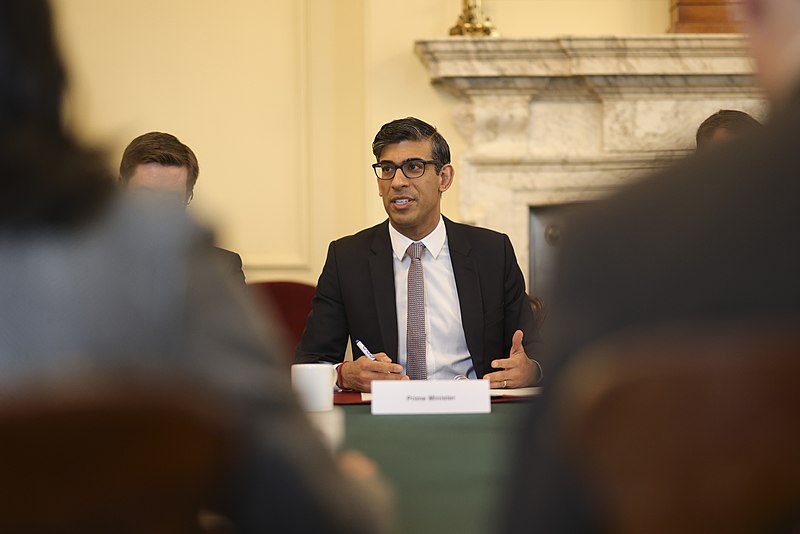
The British government dismissed the criticism that the United Kingdom’s departure from the European Union was a mistake. The criticism came from several eurosceptic politicians regarding the manner in which Brexit was implemented.
A spokesperson for British Prime Minister Rishi Sunak said on Tuesday that Brexit has not failed despite criticism from several eurosceptic politicians like former politician Nigel Farage, who played a key role in forcing a Brexit referendum in 2016 and pushed for the UK to leave the EU, who recently said that Brexit failed. The spokesperson was pressed on whether Sunak agreed with Farage.
“No. The Prime Minister has talked about the benefits of Brexit on a number of occasions,” said the spokesperson.
Farage criticized how the Conservative government has handled the implementation of Brexit.
“Arguably, now we’re back in control, we’re regulating our own businesses even more than they were as EU members. Brexit has failed,” Farage told the BBC, adding that the takeover regulation and corporation tax was driving businesses out.
Conservative lawmaker and eurosceptic William Cash also accused the government of making “trivial” and “obsolete” changes by announcing that it plans to scrap out around 600 of the almost 4,000 EU laws by the end of the year. Sunak’s government has argued that the UK is prospering with its newfound freedoms, and the opposition Labour Party has not expressed plans for the UK to rejoin the bloc should it win the general elections in 2024.
Opinion polls to this day have shown that a majority of the public regret leaving the EU.
On Wednesday, automaker Stellantis warned that British car factories would be forced to close if the government does not re-negotiate this Brexit deal immediately. Stellantis, who owns car brands Peugeot, Citroen, Vauxhall, and Fiat, told parliament that under the current deal, it would be subject to tariffs when exporting electric vans to Europe starting next year when the stricter post-Brexit rules would take effect.
The carmaker also urged the government to come to an agreement with the EU on extending the current rules on sourcing parts until 2027 instead of 2024 as planned. A spokesperson for the government said the business secretary has raised the issue with the bloc.
Photo by Simon Dawson (No. 10 Downing Street)/Wikimedia Commons(CC by 2.0)














.jpg)