


 U.S.-China Beef Trade Deal Hopes Rise Ahead of Trump-Xi Summit
  Germany Rejects Putin’s Proposal for Schroeder to Mediate Ukraine Peace Talks
  Trump Administration Releases New UFO Files and Apollo Mission Records
  Rubio Presses Italy Over Iran Support as Tensions Test U.S.-Italy Alliance
  Mexico President Claudia Sheinbaum Reconsiders Early School Closure Plan Ahead of 2026 World Cup
  U.S., South Korea Launch Shipbuilding Partnership Initiative
  Senate Stablecoin Bill Sparks Clash Between Banks and Crypto Industry
  TikTok Nears $400 Million Settlement With Trump Administration Over Child Privacy Lawsuit
  Vietnam Plans AI-Driven Propaganda Push With Influencers and Podcasts
  Israel’s Secret Iraq Base Allegedly Supported Iran Air Campaign, WSJ Reports
  Lula and Trump Talks Signal New Phase in Brazil-US Relations
  Israeli Strikes in Gaza Kill Three as Ceasefire Tensions Continue
  Australia’s Wealthy Donors Shift Support to One Nation Amid Conservative Party Decline
  Judge Delays SEC Settlement With Elon Musk Over Twitter Stock Disclosure Case
  Malaysia Unveils Energy Security Plan Amid Iran Conflict and Rising Oil Costs
  Trump Invites Top CEOs Including Nvidia, Apple, Boeing to China Summit With Xi Jinping
  Russian LNG Shadow Fleet Expands Amid Arctic LNG 2 Sanctions


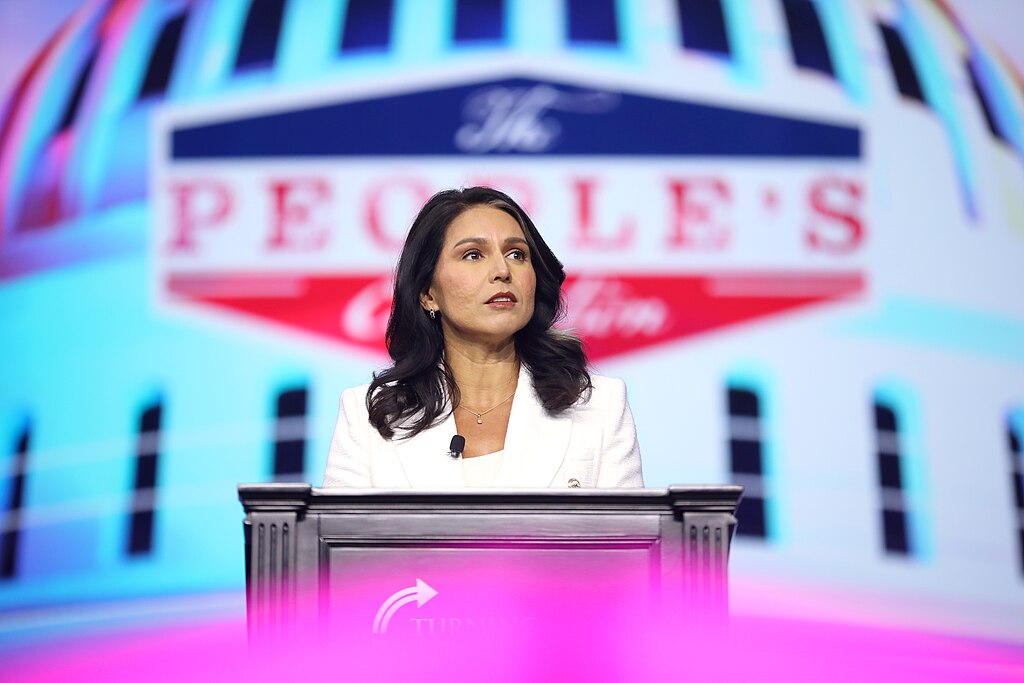
Tulsi Gabbard, President Donald Trump's nominee for Director of National Intelligence (DNI), has publicly detailed her departure from the Democratic Party, citing fundamental disagreements over issues of freedom and governance. Her nomination has sparked significant debate, given her political journey and the critical role of the DNI in national security.
Gabbard's Political Evolution
Gabbard, a former Democratic congresswoman from Hawaii, has undergone a notable political transformation. Initially recognized for her progressive stances, she has shifted towards more conservative positions in recent years. In October 2022, she announced her departure from the Democratic Party, criticizing its leadership and direction.
Nomination as Director of National Intelligence
President Trump nominated Gabbard for the DNI position, highlighting her military experience and unique perspective on foreign policy. The nomination has been met with mixed reactions, with supporters praising her independence and critics questioning her qualifications and past foreign policy positions.
Public Reaction
Gabbard's nomination has elicited a range of responses on social media:
-
@LibertyFirst: "Gabbard's shift is refreshing. We need leaders who prioritize freedom over party lines."
-
@ProgressiveVoice: "Her nomination is concerning. Aligning with Trump raises questions about her commitment to democratic values."
-
@NeutralObserver: "It's intriguing to see such a political shift. Her performance as DNI will be telling."
Confirmation Process
Gabbard's nomination will undergo scrutiny in the Senate, where her political evolution and qualifications will be central topics of discussion. The confirmation process will provide a platform for evaluating her suitability for overseeing the nation's intelligence apparatus.
Conclusion
Tulsi Gabbard's nomination as Director of National Intelligence marks a significant moment in her political journey. As the confirmation process unfolds, her past affiliations and current positions will be closely examined, reflecting broader discussions about political alignment and national security leadership.







